






More Vision & Eye Care Articles
Recognizing the Signs of Retinal Tear Symptoms: What You Need to Know
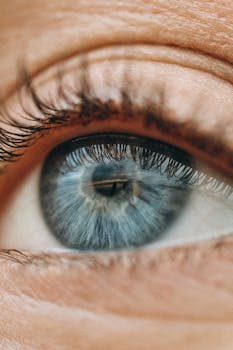
Understanding retinal tear symptoms is crucial for maintaining eye health and preventing potential vision loss. A retinal tear can develop when the vitreous, the gel-like substance inside the eye, shrinks and pulls on the retina, leading to a small tear. Early recognition and treatment are important to prevent more serious conditions, such as retinal detachment, which can cause permanent vision impairment.
What Are Retinal Tear Symptoms?
Identifying the symptoms associated with a retinal tear can be the first step in seeking necessary medical intervention. Common signs to be aware of include sudden onset of floaters, flashes of light, or a shadow appearing in your peripheral vision. These symptoms can vary in intensity but should never be ignored.
Sudden Appearance of Floaters
Floaters are small specks or lines that drift through your field of vision. While they are often harmless and common with aging, a sudden increase in floaters could indicate a retinal tear. It’s important to consult an eye care professional if you notice a significant change in your vision.
Flashes of Light
Flashes, or photopsia, can appear as bright streaks or bursts of light, similar to the sensation of seeing “stars.” These occur when the vitreous pulls on the retina. If you experience these flashes without any change in lighting conditions, it may be a sign of a retinal tear.
Shadow or Curtain Over Your Vision
If you start to see a shadow or a curtain descending across your vision, it may suggest a serious condition requiring immediate attention. This symptom is commonly associated with retinal detachment, a condition that often begins with a retinal tear.
Risk Factors for Retinal Tear Symptoms
Certain risk factors can increase the likelihood of developing retinal tear symptoms. These include advanced age, a family history of retinal tears, previous eye surgeries, and severe myopia (nearsightedness). Understanding these risk factors can help you and your healthcare provider assess your specific risks.
Age
As we age, changes in the vitreous naturally occur, making retinal tears more common in older adults. Regular eye exams become increasingly important to monitor these changes and address any symptoms early.
Family History and Genetic Predisposition
A family history of retinal tears or retinal detachment could increase your risk. Sharing this information with your healthcare provider can help tailor preventative measures for your eye health.
High Degree of Myopia
Individuals with severe nearsightedness are more susceptible to retinal tears. This is due to the elongation of the eyeball structure, which places additional strain on the retina.
Treatment Options for Retinal Tears
If you experience retinal tear symptoms, a comprehensive eye exam is critical. Treatments vary depending on the severity of the tear and may include laser surgery or cryotherapy to seal the tear and prevent progression to retinal detachment.
Laser Surgery
This common approach uses laser technology to create small burns around the tear, resulting in scar tissue that helps secure the retina in place.
Cryotherapy
Alternatively, cryotherapy involves applying intense cold to the area around the tear, producing scar tissue that fixes the retina to the underlying tissue.
Both procedures aim to reduce the risk of retinal detachment and preserve your vision. However, the effectiveness depends on timely treatment. For more information on how healthy lifestyle choices impact overall health, visit this article.
Preventative Measures and Regular Checkups
While not all retinal tears can be prevented, regular eye examinations can help detect changes in your eye health. It’s recommended to visit an eye care professional at regular intervals, particularly if you have high-risk factors.
Maintaining a healthy lifestyle, such as managing chronic conditions like diabetes and avoiding smoking, can also support overall eye health. For more on health and wellness, consult this comprehensive guide.
Conclusion
Understanding and recognizing retinal tear symptoms can be key to preventing serious eye conditions. If you notice any sudden changes in your vision, such as floaters, flashes, or shadows, seek medical advice promptly to protect your vision and eye health.
- Retinal tears can lead to retinal detachment, causing serious vision issues.
- Key symptoms include sudden floaters, light flashes, and shadows in vision.
- Risk factors include age, family history, and severe myopia.
- Treatments such as laser surgery or cryotherapy are available.
- Regular eye exams are essential for early detection and treatment.
What are the first signs of a retinal tear?
The first signs often include an increase in floaters, flashes of light, or a shadow in peripheral vision. These symptoms should be evaluated by an eye care professional promptly.
Can a retinal tear heal on its own?
While some small tears may heal naturally, most require professional treatment to prevent progression to retinal detachment, which can threaten vision. Always consult an eye care specialist.
How quickly do retinal detachment symptoms progress?
Symptoms can progress rapidly, turning from retinal tear to detachment in a matter of days or weeks. Immediate attention from an eye care provider is crucial to prevent vision loss.
Who is at greater risk of retinal tears?
Risk factors include older age, severe myopia, previous eye surgeries, and a family history of retinal conditions. Individuals with these risk factors should have regular eye exams.
What should I do if I suspect a retinal tear?
If you suspect a retinal tear, it is important to see an eye care professional immediately for a thorough examination and appropriate treatment.
Other Articles You May Find of Interest...
- Recognizing the Signs of Retinal Tear Symptoms: What You Need to Know
- Effective Relief for Allergic Eyes: Discover the Benefits of Anti Allergy Eye Drops
- Moxifloxacin Eye Drops: Are They the Right Choice for Your Eye Health?
- What Does the LDH Normal Range Indicate for Your Health?
- The Surprising Health Implications of Injected Sclera
- What Does Right Eye Twitching Mean for Women? Discover the Signs and Remedies
- Effective Relief for Eye Infections: Exploring Polymyxin B TMP Eye Drops




