More Vision & Eye Care Articles
The Everyday Health Complaints That Deserve a Lot More Attention Than We Give Them
Most people have a running list of things that bother them physically that they never actually do anything about.
A headache that keeps coming back. Eyes that feel dry and strained by mid-afternoon. A pressure behind the face that makes it hard to concentrate.
These things get filed under “just one of those things” and quietly tolerated for far longer than they should be.
Recurring symptoms are rarely random. They are usually telling you something specific. And ignoring them long enough tends to make them harder to address down the track.

The Headache You Keep Blaming on Everything Else
Headaches are one of the most undertreated conditions around.
Not because people do not notice them. Because they are so easy to explain away. Dehydration. Too much coffee. A bad night’s sleep. There is always a convenient reason that does not require any real action.
For occasional headaches with an obvious trigger, that is usually fine.
Recurring headaches are a different story.
Particularly when they follow a pattern, come with specific symptoms, or consistently affect the same part of the head or face.
One of the most misidentified types is the sinus headache. Most people assume it just means a blocked nose and some mild pressure. In reality, true sinus headaches involve inflammation of the sinus cavities and produce a very distinct kind of pain.
Deep. Dull. Typically worse when you lean forward or lie down.
The pressure concentrates around the forehead, cheeks, and behind the eyes. It often feels worse in the morning and can come with congestion, a reduced sense of smell, and sometimes a low-grade fever.
The frustrating part is that sinus headaches are frequently confused with migraines and tension headaches. People end up treating the wrong thing for months and wondering why nothing helps.
Getting the right diagnosis changes everything. For people dealing with persistent facial pain and pressure, seeking out effective sinus headache treatment from a specialist clinic is far more productive than cycling through over-the-counter options that were never designed for that specific condition.

Why Recurring Headaches Should Not Be Self-Managed Indefinitely
There is a real cost to long-term self-management of recurring headaches.
Overusing pain relievers, for example, can actually cause what are known as rebound headaches. It creates a cycle that makes the original problem worse over time.
Beyond that, an undiagnosed headache condition is an untreated one. Sinus inflammation that never gets properly addressed can become chronic. What started as occasional discomfort can quietly turn into something that affects sleep, mood, and daily functioning.
Headache specialists approach these conditions very differently from general practice. They look at triggers, patterns, structural factors, and underlying causes rather than simply managing symptoms in the moment.
For people who have been putting up with regular headaches for a long time, a proper specialist assessment is often the first time the whole picture gets looked at.
What Seasonal Changes Do to Your Eyes
Shifts in season affect more than just temperature and wardrobe choices.
For a lot of people, seasonal change brings a predictable pattern: congestion, itching, watering eyes, and that general feeling of being slightly unwell for no clear reason.
Allergies are the usual culprit. Pollen counts rise. Indoor heating kicks in and dries out the air. Cold air irritates already sensitive airways.
The body responds with inflammation. And that inflammation shows up wherever you are most susceptible.
For some people it is primarily respiratory. For others, the eyes bear the brunt of it.
Allergic eye symptoms are genuinely miserable in a low-grade way. Constant itching, redness, a gritty or burning sensation, and eyes that water at completely inconvenient moments.
It disrupts focus, makes screen time painful, and for contact lens wearers in particular, it can make getting through the day feel like a negotiation.

Contact Lenses and Eye Comfort: What Most People Miss
A lot of people have been wearing the same type of lens for years out of habit.
They put up with dryness, occasional blurriness, or end-of-day discomfort because it feels normal to them. In many cases it is not normal at all. It is what happens when your lenses are not quite right for your eyes or your lifestyle.
Lens technology has moved on considerably. Modern silicone hydrogel lenses allow significantly more oxygen to reach the cornea compared to older materials.
Oxygen-deprived eyes get red, dry, and tired faster. Switching lens type alone can resolve a lot of those chronic complaints.
Moisture content and wetting agents built into the lens material are another factor that separates a comfortable lens from one you are quietly enduring. For people who spend long hours in front of screens or in air-conditioned environments, these details matter more than most people realise.
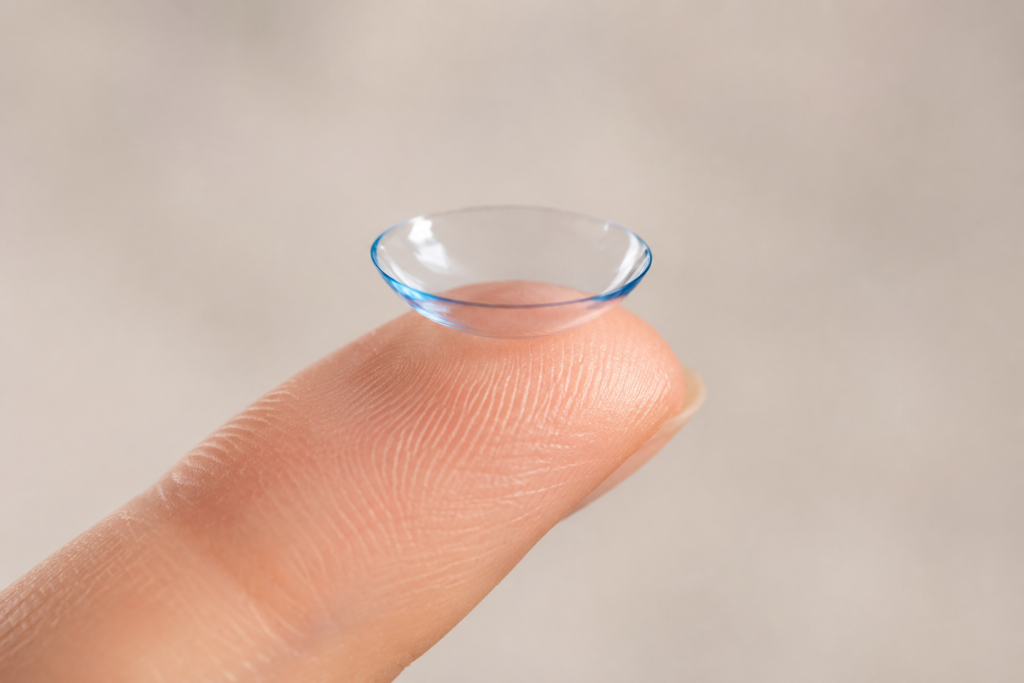
If you have never found a pair that genuinely feels comfortable, it is worth taking the time to shop contact lenses online and explore what is currently available. The range now covers daily disposables, extended wear, lenses for astigmatism, and multifocal options, with choices suited to different eye types and comfort needs.
The Connection Between Eye Strain and Headaches
Here is something that does not get discussed enough.
Eye strain is one of the more common and underrecognised contributors to chronic headaches.
When the eyes are working harder than they should to maintain focus, whether because of an incorrect prescription, uncomfortable contact lenses, or excessive screen time, the muscles around the eyes and forehead tighten up.
Hold that tension long enough and it becomes a headache.
For people who spend most of their working day at a screen, this is almost a daily experience. The headache gets blamed on stress or tiredness. The actual cause never gets addressed.
A prescription that was accurate two or three years ago may not be serving your eyes well now. And wearing lenses that do not correct your vision properly means your eyes are constantly compensating, which accumulates into real fatigue by the end of the day.
If you experience regular headaches and wear glasses or contact lenses, an up-to-date eye test is a reasonable first step before assuming something else is to blame.
Small Habits That Make a Genuine Difference
Consistent small habits tend to do more for ongoing health than occasional big interventions.
For headache management, start tracking patterns rather than just reacting to individual episodes. Note when they happen, what you ate and drank, how you slept, and any environmental factors. That information is genuinely useful to a clinician.
Staying hydrated matters more than most people give it credit for. Even mild dehydration affects circulation and can trigger or worsen headaches. Making it a deliberate habit rather than an afterthought is a simple but effective change.
For eye health, the twenty-twenty-twenty rule is worth building into screen-heavy days. Every twenty minutes, look at something twenty feet away for twenty seconds. It sounds almost too simple, but it meaningfully reduces the cumulative muscle fatigue that leads to eye strain headaches.
Taking a rest day from contact lenses when your eyes feel particularly irritated is also just good maintenance. Pushing through discomfort with lenses rarely ends well.
When to Stop Waiting and Start Acting
There is a point with recurring symptoms where waiting it out stops being a reasonable option.
If you have had the same headache pattern for more than a few weeks, it deserves professional attention. If your eyes are consistently uncomfortable despite lenses you have worn for a while, something may have changed. If seasonal symptoms are affecting your quality of life every time the weather shifts, there are actual solutions available.
The barrier is rarely a lack of options. It is usually just the assumption that the discomfort is not quite bad enough to act on.
It is. Your daily comfort matters. Act on it sooner rather than later.
Other Articles You May Find of Interest...
- Smart Glasses With Prescription Lenses: Fit, Comfort and Everyday Use
- Can Blepharoplasty Improve Peripheral Vision? What Patients Should Know
- What Causes Blood Clots in the Eye?
- Can You Have Laser Eye Surgery With Glaucoma?
- Why Are Contact Lens Users Asked to Stop Wearing Lenses before Laser Eye Surgery Tests?
- What Credentials to Look for When Searching for the Right Eye Doctor in New York
- New Flashes, Floaters, or a Shadow in Your Vision: When to Seek Prompt Eye Care