






More Vision & Eye Care Articles
Living with Quadrantanopia: Strategies for Daily Life and Vision Management
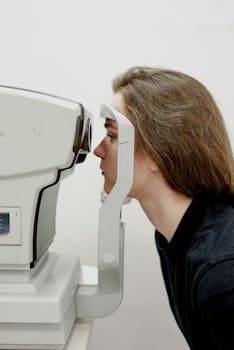
Living with quadrantanopia can be challenging, yet understanding this visual condition and its implications can empower those affected to manage their daily lives more effectively. Quadrantanopia, a type of partial blindness, impacts one quadrant of the visual field, creating unique challenges for individuals. In this article, we will explore practical strategies for coping with quadrantanopia, discuss its potential causes, and provide resources to help those affected lead a fulfilling life.
Understanding Quadrantanopia: Causes and Symptoms
Quadrantanopia results from damage to specific parts of the brain responsible for processing visual information. This damage can occur due to factors such as stroke, traumatic brain injury, or infections affecting the brain. As a result, individuals experience visual field loss in one quadrant, impacting daily activities like reading, driving, and navigating environments.
Symptoms of quadrantanopia vary depending on which quadrant of the visual field is affected. Common difficulties include bumping into objects, challenges with peripheral vision, and misjudging distances. It’s essential to consult with a healthcare professional for an accurate diagnosis and management plan if you suspect you have symptoms of quadrantanopia.
Living with Quadrantanopia
Adapting to life with quadrantanopia involves implementing strategies that can help optimize remaining vision and improve daily functioning. Here are several approaches that can be beneficial:
- Visual Scanning Techniques: Training oneself to actively move the eyes and head can compensate for the loss of vision in a specific quadrant. This technique can help in identifying obstacles and reading better.
- Environmental Modifications: Adjusting living and working spaces to suit unique visual needs can significantly improve safety and mobility. Examples include arranging furniture to avoid obstacles and enhancing lighting to reduce shadows.
- Assistive Technology: Devices such as electronic magnifiers, screen readers, and augmented reality glasses can support visual tasks, enabling those with quadrantanopia to engage more fully in daily activities.
Emotional and Mental Health Considerations
Dealing with vision loss can take a toll on mental health. It’s important to acknowledge these feelings and seek support. Professional counseling or support groups can provide a platform for sharing experiences and coping strategies. For further exploration of mental health approaches, consider reading this article on new therapies for mental health issues on our website.
Resources and Support
Various organizations and resources are dedicated to providing support for individuals with vision impairments. Accessing these resources can help navigate the challenges of living with quadrantanopia by offering tools, education, and community connections. An excellent external resource to explore is the Health section on Wikipedia, offering comprehensive information about related topics.
Conclusion
Learning to manage quadrantanopia involves understanding the condition, adapting to new routines, and accessing the right support. While quadrantanopia presents challenges, those affected can lead fulfilling lives with the right resources and strategies.
- Quadrantanopia affects one quadrant of the visual field due to brain damage.
- Effective management includes visual scanning and environmental modifications.
- Mental health support and assistive technology play supportive roles.
- Accessing community and informational resources is important.
What is quadrantanopia?
Quadrantanopia is a visual field defect affecting one quadrant, usually due to damage in the brain’s visual pathways.
What causes quadrantanopia?
Common causes include stroke, brain injury, tumors, or neurological diseases affecting visual processing regions in the brain.
How is quadrantanopia diagnosed?
Diagnosis involves a comprehensive eye examination and neurological assessment, often using visual field tests to identify the extent of vision loss.
Can quadrantanopia be treated?
While there is no cure, treatment focuses on rehabilitation strategies to improve daily functioning and quality of life.
How can I support a loved one with quadrantanopia?
Offer emotional support, help with adapting home environments, and encourage exploration of assistive technologies and support resources.
Other Articles You May Find of Interest...
- Living with Quadrantanopia: Strategies for Daily Life and Vision Management
- Sandpaper Eyes? Why the Samsung S26 Series is 2026’s Real Winner for Vision Health
- Stye or Pink Eye: How to Identify and Treat These Common Eye Conditions
- Mastering the Application of Erythromycin Eye Ointment for Optimal Eye Health
- Vision Problems After a Concussion: Symptoms to Watch For
- The 20-20-20 Rule Works: Building a Family Eye Care Routine That Sticks
- What Are the Causes and Treatments for Retinoschisis?




