






More Vision & Eye Care Articles
How Long Does Eye Dilation Last After an Exam?
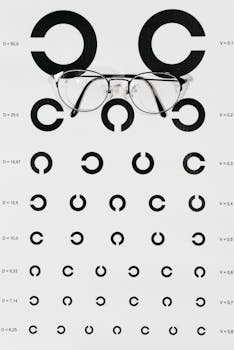
During a routine eye exam, you may undergo dilation, a process where special drops are applied to your eyes to keep your pupils open. A common question arises: how long does eye dilation last? Generally, the effects can vary depending on several factors, such as the type of drops used and individual differences in reactions to the medication. Typically, dilation lasts between 4 to 6 hours, but some individuals might experience prolonged effects.
How Long Does Eye Dilation Last?
The duration of eye dilation primarily depends on the type of dilating drops administered. For most people, the effects of dilation start to wear off in around 4 to 6 hours. However, some factors can extend this period, making it essential to plan your activities, especially those requiring precise vision, for after the effects have diminished.
Eye dilation can cause blurred vision and light sensitivity. It’s important to have sunglasses available to protect your eyes, especially when venturing outside. In particular, those with lighter eye colors may notice that lifestyle choices and genetic factors can influence how long their eyes stay dilated.
Factors Influencing Dilation Duration
Several elements may affect how long your eyes remain dilated:
- Type of Eye Drops: Different brands and formulations may have varying active ingredients, influencing the duration of dilation.
- Individual Response: Personal biology can determine how quickly your system processes the medication.
- Eye Color: Individuals with lighter eye colors often experience longer dilation durations.
Other elements such as age, overall health, and existing eye conditions might also play a role in how long dilation of the eye lasts.
Managing Daily Activities Post-Dilation
Post-exam planning is crucial, as driving or performing tasks requiring sharp vision might be challenging. Most eye care professionals advise against driving until the effects fully wear off. If your eyes remain dilated longer than expected or if you experience discomfort, consult your eye care provider.
Make sure to schedule your exam at a time when you can allow yourself to relax afterwards, and consider bringing someone to assist with transportation if necessary.
How to Address Light Sensitivity
Sensitivity to light is a common side effect of eye dilation. Wearing sunglasses can significantly help in reducing discomfort. It’s advisable to carry sunglasses to your appointment as an added precaution.
Some eye care providers offer temporary protective eyewear, especially for those who might not have come prepared for heightened light sensitivity.
Why Is Eye Dilation Important?
Despite the temporary inconvenience, eye dilation is a critical aspect of comprehensive eye examinations. It allows eye care professionals to thoroughly inspect the back of your eye, helping identify conditions such as diabetic retinopathy, glaucoma, and macular degeneration at an early stage.
Understanding the significance of eye dilation can emphasize the importance of regular eye check-ups and encourage adherence to scheduled appointments.
Considerations for Frequent Checks
For individuals needing frequent eye exams, discussing the option of minimal dilation with your doctor might be beneficial. Certain advanced technologies allow for retinal examinations without dilation, though this might not be suitable for everyone.
It’s always worth exploring all available options to ensure that your eye health management aligns with your lifestyle and comfort.
In addition to eye care, understanding how broader health choices can influence your wellness, including eye health, reinforces a holistic approach to well-being.
Understanding Pediatric Eye Dilation
For children, dilation is especially important since kids might not articulate vision problems clearly. Pediatric dilation often lasts longer, sometimes extending up to 24 hours. Communication with your child’s eye care specialist can help manage expectations and schedules effectively.
What To Do If Side Effects Persist
While long-lasting side effects are rare, persistent problems warrant medical attention. Should you notice prolonged blurred vision or discomfort, contacting your doctor is advisable for further examination and advice.
Eye health is integral to your overall wellness. If you’re curious about how different lifestyle factors might impact your health, explore how lifestyle choices affect your health on our platform.
Now that you know more about eye dilation, you can better prepare for your next eye exam by understanding the effects and necessary precautions before, during, and after your appointment.
Addressing the key question of how long does eye dilation last helps you arrange your day when planning an eye care visit. Ensure you adjust your plans accordingly and reach out to your eye care provider if you have any concerns.
- Dilation effects typically last 4-6 hours with variability.
- Light sensitivity may require temporary precautions, like sunglasses.
- Child eye dilation might last longer—up to 24 hours, in some cases.
- Eye exams are crucial to detect changes or issues early.
- Consult your eye doctor if side effects persist longer than expected.
FAQs
How long do eyes stay dilated from an eye exam?
For most, the effects last about 4 to 6 hours, though this can vary based on individual factors and the type of drops used.
Can I drive after my eyes are dilated?
Driving isn’t recommended until the effects have fully worn off, as blurred vision can impair your ability.
Is there a way to reduce the duration of dilation?
There isn’t a guaranteed way to speed up the recovery, but wearing sunglasses can alleviate light discomfort during this period.
Are there alternatives to dilation for eye exams?
Some clinics offer advanced retinal imaging that can replace dilation, though it might not be suitable for all cases.
Can eye dilation have any long-term effects?
Temporary dilation rarely causes long-term effects, but contact your eye doctor if you experience unusual symptoms post-exam.
Other Articles You May Find of Interest...
- How Long Does Eye Dilation Last After an Exam?
- What to Know About Macular Amyloidosis and Its Impact on Your Vision
- Is 20/25 Vision Considered Good Enough for Daily Activities?
- Exploring the Impact of Cycloplegia on Vision and Eye Health
- Why Am I Experiencing Sharp Pain in My Eye?
- Exploring the Causes and Effects of Vitreous Syneresis in Eye Health
- Exploring the Fascinating World of Two Different Colored Eyes and Heterochromia Types




