More Vision & Eye Care Articles
Exploring the Intricacies of Optokinetic Nystagmus in Vision Health
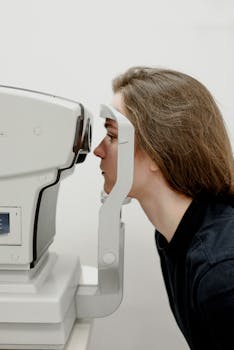
Optokinetic nystagmus is a fascinating phenomenon that reflects the intricate workings of the visual system. This involuntary eye movement occurs as a response to large-scale visual stimuli moving across the field of vision. It is an important mechanism that helps in stabilizing the visual world despite motion. By understanding optokinetic nystagmus, individuals can gain insights into vision health and the adaptability of their sensory systems.
Understanding Optokinetic Nystagmus
The term “optokinetic” refers to the movement induced by visual stimuli, while “nystagmus” describes the involuntary oscillation or shaking of the eyes. Together, optokinetic nystagmus describes the eye’s natural response to the continuous movement of visual information, such as the scenery outside a moving train window. This phenomenon helps in maintaining steady vision and is crucial for activities that involve motion.
In detail, optokinetic nystagmus consists of two phases: the slow phase and the fast phase. During the slow phase, the eyes smoothly follow a moving object, while in the fast phase, they quickly snap back to a new target. This coordination ensures continuous visual input and stability.
The Role of Optokinetic Nystagmus in Vision Health
Optokinetic nystagmus plays a vital role in how we perceive movement and maintain stable vision. It is often used in clinical settings to evaluate the health of the visual and neurological systems. For example, the presence or absence of this reflex can provide valuable information about the functioning of neural pathways and eye muscles.
Evaluating optokinetic nystagmus can aid in diagnosing various conditions, such as vertigo, imbalance, or visual field defects. By assessing how the eyes react to visual stimuli, practitioners can gauge the integrity of the visual-vestibular system and pinpoint potential issues.
How Lifestyle Influences Vision Health
Maintaining good vision health involves a combination of factors, including lifestyle choices. Regular eye examinations and protective measures against strain and injury are essential. Moreover, understanding how lifestyle can impact vision can lead to healthier habits. For more insights on the subject, check out our article on how lifestyle choices impact our overall health.
Research and Optokinetic Nystagmus
Research into optokinetic nystagmus continues to evolve, shedding light on its role in both normal and altered states of vision. Scientists are examining how this reflex can be harnessed in therapeutic settings, particularly in rehabilitation for balance disorders and vision deficits.
Moreover, optokinetic nystagmus is being studied for its potential applications in virtual reality environments. Understanding how the eyes respond to simulated motion can improve the design of immersive experiences and mitigate motion sickness.
Conclusion: Embracing the Complexity of Optokinetic Nystagmus
Optokinetic nystagmus is more than just an eye reflex; it is a window into the sophisticated ways our bodies maintain visual stability. By appreciating this involuntary movement, individuals can better understand visual health and its broader implications. As research progresses, the role of optokinetic nystagmus will continue to unveil new possibilities in both clinical and technological fields.
To learn more about the implications of this phenomenon and its potential applications, you can explore further at the Wikipedia page on optokinetic nystagmus.
- Optokinetic nystagmus helps stabilize the visual field during movement.
- It plays a critical role in assessing eye and neurological health.
- Lifestyle choices can significantly influence overall vision health.
- Research into this reflex is paving new ways for clinical and technological advances.
- Understanding this phenomenon enhances awareness of sensory adaptability.
What is optokinetic nystagmus?
Optokinetic nystagmus is an involuntary eye movement in response to a moving visual field, helping to stabilize vision.
Why is optokinetic nystagmus important?
It is important for maintaining steady vision during motion and is used to assess the health of the visual and neurological systems.
How is optokinetic nystagmus tested?
It is usually tested in clinical settings by observing the eye’s reaction to moving visual stimuli, such as stripes on a rotating drum.
Can lifestyle changes impact optokinetic nystagmus?
Yes, making healthy lifestyle choices can support overall vision health, potentially influencing how well the visual system functions.
Where can I learn more about vision health?
You can find more information on vision health and related topics in articles and by consulting with healthcare professionals.
Other Articles You May Find of Interest...
- The Remote Worker’s Eye Survival Guide: Beyond Just “Take Breaks”
- A Complete Guide to Tonometers for IOP Monitoring
- The Everyday Health Complaints That Deserve a Lot More Attention Than We Give Them
- Effective Orzuelo Tratamiento: Discover the Best Remedies for Relief
- What Causes Macular Telangiectasia and How Can You Manage It?
- What to Know About Choroidal Nevus and Its Implications for Eye Health
- Can a Stye Heal Without Treatment?