






More Vision & Eye Care Articles
Exploring the Essence of Vision: What Does It Truly Look Like?
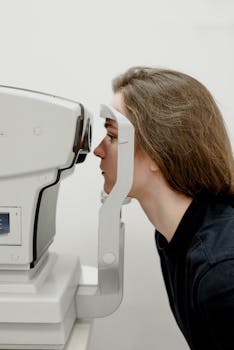
Understanding what does vision look like requires exploring the intricate processes of how our eyes and brain work together to create the visual experiences we often take for granted. When we think of vision, each person’s experience might vary slightly, but the underlying mechanics are quite consistent across humanity. Vision involves the reception of light by the eyes and interpretation of this light into images by the brain, a complex yet fascinating collaboration that allows us to see the world around us.
What Does Vision Look Like?
Vision is much more than just sight. It involves perceiving colors, detecting motion, recognizing shapes, and distinguishing depth and distance. The experience of vision combines these elements seamlessly to help us navigate the environment safely. Our eyes receive light and convert it into electrical signals, which the brain translates into visual information.
The retina, a light-sensitive layer at the back of the eye, plays a crucial role in vision. It contains photoreceptor cells known as rods and cones, each responsible for different aspects of vision. Cones enable us to perceive color and fine detail, while rods are more sensitive to light, aiding us in low-light conditions.
How We Interpret Images
The optical components of the eye, namely the cornea and lens, work together to focus light on the retina. The brain then processes this information, allowing us to understand what we see. The interpretation takes place in various regions of the brain, including the occipital lobe, which is primarily responsible for visual processing.
Moreover, our brain uses previous experiences and contextual information to interpret visual data. This capability means vision is not solely reliant on the raw data captured by our eyes but is an informed guess refined by past interactions and expectations.
The Role of Light and Color
Different wavelengths of light are perceived as different colors. The visible spectrum includes all the colors we can see, ranging from violet to red. Cones in the retina are sensitive to different wavelengths, allowing for the perception of varied colors. Interestingly, the sum of all colors appears as white light.
Color perception can also be affected by environmental factors and individual differences, leading to unique visual experiences. A classic example is how colors look different under artificial light compared to natural sunlight.
Exploring the Visual Spectrum
Understanding the mechanics of vision can shed light on various visual disorders. For example, color blindness occurs when one or more types of cones are absent or don’t function properly. This leads to challenges in distinguishing certain colors or shades.
Advancements in technology have introduced tools and therapies to assist those with vision impairments. Innovative strategies are being studied to improve vision for those with ocular conditions, potentially revolutionizing treatment approaches.
Beyond the Visual Perception
Vision isn’t just about capturing images. It plays a significant role in emotional and mental health. For instance, clear and healthy vision can directly impact mood and cognitive functions. People with strong vision often experience better mental well-being, as the faculties associated with clear vision assist in processing information quickly and efficiently.
Furthermore, understanding and exploring new therapies for eye and vision health continue to evolve. For example, one revolutionary way to explore new therapies highlights how closely connected mental and visual health can be.
Technological Advancements and Vision
In recent years, technological advancements have opened new frontiers in understanding and improving vision. Tools such as augmented reality and virtual reality are being utilized to assist with vision training and rehabilitation. Additionally, advanced optical devices are helping those with visual impairments gain a better sense of their environment.
Continuous research is pivotal to developing technologies that improve quality of life for individuals with visual impairments. These innovations hold the promise of enhancing vision through non-invasive methods and potentially restoring normal sight for those with significant vision loss.
Conclusion
Understanding what does vision look like goes beyond acknowledging how eyes work. It’s appreciating the delicate balance between light, color, perception, and brain function that shapes our visual experience. As we delve into the mysteries of vision, we also acknowledge that this remarkable sense simultaneously grants us the ability to connect deeply with the world and enriches our mental and emotional health. For an overall summary on topics related to health and its impact, you can visit this comprehensive resource.
- Vision involves a complex interplay between eyes and brain.
- Light and color perception rely on photoreceptor cells.
- Interpretation of images involves past experiences and context.
- Technological advancements are improving vision health.
- Vision contributes significantly to overall health and well-being.
What role do rods and cones play in vision?
Rods and cones are photoreceptor cells in the retina. Rods function well in low light and help us detect motion and peripheral vision, while cones are responsible for color vision and detail detection.
How does the brain process visual information?
The brain interprets signals received from the eyes, specifically the occipital lobe processes visual information by integrating it with contextual data from other brain regions.
Can vision disorders be treated?
Many vision disorders can be managed or treated with corrective lenses, surgery, medication, or innovative therapies. It’s essential to consult an eye care professional for a thorough evaluation and personalized treatment plan.
How does technology assist those with vision impairments?
Technology, such as augmented and virtual reality, offers new ways to assist individuals with vision impairments, providing enhanced navigation and learning opportunities through specialized training and devices.
Why is vision essential for mental health?
Vision supports cognitive functions and emotional well-being, allowing individuals to process information rapidly and engage fully with their environment, significantly impacting overall mental health.
Other Articles You May Find of Interest...
- What Your Right Eye Twitch Might Be Telling You
- Effective Remedies for Bloodshot Eyes: How Can I Get Rid of Them?
- Managing Vernal Keratoconjunctivitis: Symptoms, Treatments, and Prevention Strategies
- How to Manage and Treat Cross Eye Symptoms Effectively?
- Unlocking the Mysteries of Ou Eye Meaning: Insights and Interpretations
- Effective Over the Counter Remedies for Styes You Should Try
- What Does an Anicteric Sclera Indicate About Your Health?



