






More Vision & Eye Care Articles
Exploring Life After Aphakia: Tips for a Healthier Vision
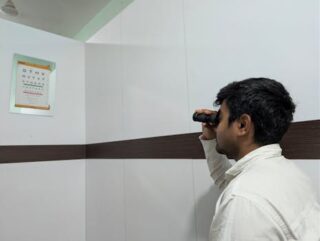
Living life after an aphakic diagnosis can bring about numerous questions and adjustments. Aphakia, the absence of the eye’s natural lens, usually follows cataract surgery or results from an injury or congenital condition. Despite potential challenges, many individuals continue to experience life with clarity and comfort through proper management and resources for healthier vision.
Understanding the Aphakic Eye
The aphakic condition occurs when the eye’s lens is removed and not replaced with an intraocular lens (IOL), leaving vision reliant on corrective measures like glasses or contact lenses. This change can result in issues such as hyperopia (farsightedness), decreased ability to focus closely, and, at times, manageable degrees of image magnification.
For most, these issues can be effectively managed with appropriate corrective lenses designed specifically for aphakic eyes. Regular eye exams and consultations with an ophthalmologist will ensure that any necessary adjustments to your vision correction are made optimally.
Living an Aphakic Life with Confidence
Adapting to life as an aphakic individual involves understanding and selecting the right visual aids. Options include specially designed eyeglasses or contact lenses that accommodate for lacking the natural lens. It’s important to collaborate closely with eye care professionals who can offer personalized advice tailored to your specific visual needs.
Additionally, consider integrating lifestyle habits that support eye health, such as maintaining a balanced diet rich in antioxidants and staying hydrated. Foods like leafy greens, fish high in omega-3 fatty acids, and nuts may aid in overall eye wellness.
Exercise and Nutrition: Supporting Aphakic Vision
Regular physical activity and a nutritious diet can have a significant impact on vision health. Exercise supports healthy blood circulation, which can benefit ocular health, while a diet rich in vitamins can support optimal vision. For instance, exploring safe and effective approaches to weight management can also contribute to better ocular health.
Incorporating foods rich in vitamins A, C, and E, along with minerals like zinc, can be supportive. Carrots, sweet potatoes, citrus fruits, and dark green leafy vegetables are excellent choices. These nutrients help maintain photoreceptor health and can combat oxidative stress, which may otherwise impact your vision.
Technological Aids for Those with Aphakic Vision
Advancements in technology continue to offer innovative solutions for aphakic individuals. Smartphone applications and devices that magnify text or adjust contrast are widely available and can be particularly beneficial for reading or screen-related tasks.
Visual aid technology, such as electronic glasses or smart magnifiers, can allow for greater independence by facilitating everyday tasks that require detailed vision. Exploring and staying informed about these technologies can greatly enhance quality of life.
Enhancing Quality of Life after Aphakic Diagnosis
Everyday activities may require more planning for those living with an aphakic vision. Ensuring safe environments at home, adjusting lighting, and creating easy-to-navigate spaces can minimize risks and increase comfort. Optimizing these factors increases the ability to perform daily tasks efficiently and independently.
Furthermore, engaging in activities that promote eye health, like regular rest for eyes, limiting screen time, and protecting eyes from excessive sunlight, are essential. These measures can help in reducing eye strain and maintaining comfort.
Consult with Professionals for Optimal Aphakic Management
Your journey with aphakic eyes is personal and unique. Partnering with ophthalmologists and vision specialists who understand your specific needs is crucial. They can provide guidance on advanced corrective options and address any concerns you may have about your vision.
Don’t hesitate to access community resources and support networks available to aphakic patients. Connecting with others living with similar conditions can provide valuable insights and encouragement, as well as practical tips for thriving with this vision type.
In conclusion, living as an aphakic individual involves utilizing a combination of corrective lenses, lifestyle adjustments, and technological aids to support healthier vision. Continuous advances in eye care and the use of appropriate resources can contribute to a fulfilling daily experience.
- Aphakic individuals can manage vision with specialized lenses and aids.
- Regular consultations with eye care professionals are vital.
- Balanced nutrition and exercise support vision health.
- Technological advancements provide valuable visual aids.
- Creating a safe living environment enhances quality of life.
What is aphakia?
Aphakia is the absence of the eye’s natural lens, usually due to cataract surgery, injury, or congenital conditions, requiring alternative corrective measures.
How can aphakic vision be corrected?
Vision for aphakic individuals is typically corrected using specialized glasses or contact lenses and sometimes, advancements in visual aid technologies may also assist.
What lifestyle changes can support aphakic vision health?
Engaging in regular exercise, managing nutrition through a diet rich in essential vitamins, and consulting with eye specialists are beneficial practices.
Are there technological aids beneficial for aphakic individuals?
Yes, technological aids such as smartphone apps, e-glasses, and smart magnifiers are valuable tools that enhance everyday life for those with aphakic vision.
Where can I find more information about managing aphakic vision?
For more information, you can refer to credible resources such as health care websites and educational articles like Wikipedia’s health section.
Other Articles You May Find of Interest...
- Exploring Life After Aphakia: Tips for a Healthier Vision
- Tobramycin and Dexamethasone Ophthalmic Suspension: What Benefits Does It Offer for Eye Health?
- How Long Does Eye Dilation Last After an Exam?
- What to Know About Macular Amyloidosis and Its Impact on Your Vision
- Is 20/25 Vision Considered Good Enough for Daily Activities?
- Exploring the Impact of Cycloplegia on Vision and Eye Health
- Why Am I Experiencing Sharp Pain in My Eye?




