






More Vision & Eye Care Articles
Effective Relief for Allergies: Discover the Benefits of Alocril Eye Drops
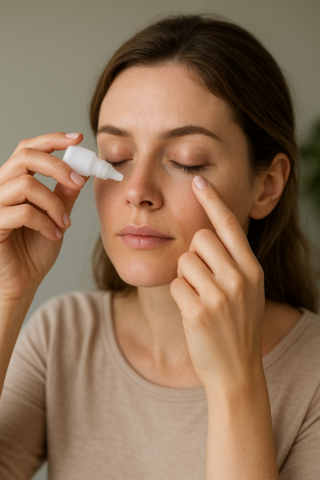
You’re enjoying a sunny spring day, but suddenly your eyes itch and burn, turning your peaceful outing into an uncomfortable experience. Could it be seasonal allergies? If you’re considering solutions, you might come across alocril eye drops. Aimed at providing relief from some eye allergy symptoms, understanding how they work can help you make informed decisions about managing your discomfort.
How Alocril Eye Drops Help Relieve Allergies
Alocril eye drops are designed to alleviate symptoms associated with allergic conjunctivitis, such as itchy, red, or watery eyes. They work by blocking histamines, which are chemicals in the body that contribute to allergy symptoms. By preventing these reactions, the drops help reduce discomfort during allergy season.
This type of medication may be used alongside other allergy treatments, such as oral antihistamines, to better manage overall symptoms. For those who experience primarily eye-related allergy issues, alocril provides targeted relief, making daily activities like driving or reading more comfortable.
Day-to-Day Expectations with Use
When starting with alocril eye drops, you might notice relief within a week, although individual response times can vary. It’s essential to follow your healthcare provider’s instructions on how often to use the drops. Generally, a routine of twice-daily application is common for maintaining symptom management.
Some users may experience mild side effects, such as temporary burning or stinging upon application. These effects often diminish over time as your eyes adjust. However, if side effects persist or worsen, it’s important to consult a healthcare professional. Proper storage of the drops, usually at room temperature, ensures their effectiveness.
When to Seek Care
If allergy symptoms persist or significantly impact your daily life despite using alocril eye drops, it may be time to consult an eye care specialist or allergist. Professionals can provide personalized recommendations based on your medical history and specific symptom patterns. If you notice changes in your vision, increased eye pain, or signs of infection, seek immediate medical attention.
In some cases, systemic factors like unexplained fatigue or weight changes could indicate broader health issues. For insights on related concerns, check out our article on weight control and hidden health causes.
Practical Questions About Alocril Eye Drops
When using eye drops alongside other medications, it’s common to question how they interact. Generally, you should wait several minutes between applying different eye medications to prevent dilution or interaction issues. Discuss with your healthcare provider about your current medication list to ensure optimal timing and effectiveness.
Alocril eye drops are typically safe for extended usage throughout allergy season. However, if you find your symptoms do not improve or if they worsen, it’s wise to reassess your treatment plan with professional guidance.
Understanding Allergy Triggers
Allergies can significantly impact daily activities, especially during peak seasons. Recognizing common triggers such as pollen, dust, or pet dander can empower you to take proactive steps. Reducing indoor allergens with air purifiers or allergen-proof bedding might help decrease exposure.
Staying updated on local pollen counts and planning outdoor activities accordingly can minimize symptoms. Learning to identify personal triggers allows for effective planning and prevention strategies to reduce allergen exposure.
Find More Allergy Management Tips
For a comprehensive understanding of allergies and effective management strategies, consider visiting MedlinePlus’s allergy information. This resource offers insights into various allergy types, treatments, and lifestyle adjustments that might aid in better managing your condition.
Takeaways
- Alocril eye drops help reduce symptoms of allergic conjunctivitis by blocking histamines.
- Typical side effects are mild and temporary, but consult your doctor if they persist or worsen.
- Identify and minimize personal allergy triggers for more effective symptom management.
- An allergist or eye care specialist can offer personalized guidance if symptoms persist.
- Combine treatments for comprehensive allergy relief during peak seasons.
Common Questions
When should I see a doctor for allergy symptoms?
If symptoms persist despite treatment, or if you experience severe eye pain, vision changes, or suspect an infection, consult a healthcare professional promptly.
What type of provider should I consult for eye allergies?
An ophthalmologist or allergist can provide expert advice on managing eye allergies and recommend appropriate treatments.
Can alocril eye drops be used with contact lenses?
Consult your doctor, but it is often recommended to apply eye drops at least 15 minutes before inserting contact lenses to avoid irritation or decreased effectiveness.
Are there lifestyle changes that can help manage allergies?
Yes, utilizing air purifiers, maintaining clean and allergen-free living spaces, and monitoring local allergen levels can support better allergy management.
How do I know if my dose of alocril eye drops is correct?
Follow your healthcare provider’s instructions closely. If you’re uncertain whether your dosage is suitable, a discussion with your healthcare provider can provide clarity and ensure optimal use.
Other Articles You May Find of Interest...
- Smart Glasses With Prescription Lenses: Fit, Comfort and Everyday Use
- Can Blepharoplasty Improve Peripheral Vision? What Patients Should Know
- What Causes Blood Clots in the Eye?
- Can You Have Laser Eye Surgery With Glaucoma?
- Why Are Contact Lens Users Asked to Stop Wearing Lenses before Laser Eye Surgery Tests?
- What Credentials to Look for When Searching for the Right Eye Doctor in New York
- New Flashes, Floaters, or a Shadow in Your Vision: When to Seek Prompt Eye Care
Featured Doctors and Practices





