






More Vision & Eye Care Articles
Bitemporal Hemianopsia: What Does It Mean for Your Vision?
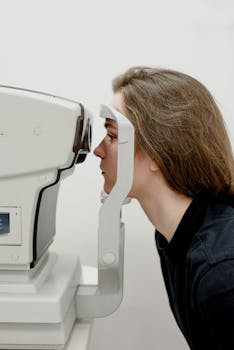
Bitemporal hemianopsia is a condition affecting your vision, characterized by the loss of the outer (temporal) field of vision in both eyes. This field loss can significantly impact daily activities, from driving to reading, because it limits the ability to perceive what’s happening in the periphery. Understanding this condition, its causes, and its management can help those affected find ways to adapt and maintain quality of life.
Understanding Bitemporal Hemianopsia
The primary cause of bitemporal hemianopsia is often related to problems near the optic chiasm, where the optic nerves partially cross. Tumors, particularly pituitary adenomas, are the most common culprits. These tumors can press on the optic chiasm, leading to the characteristic vision loss. Other causes may include traumatic injuries, inflammation, or certain genetic conditions.
When someone experiences this type of vision loss, it can be subtle at first, making it challenging to detect. However, as the condition progresses, the impact becomes more apparent, particularly in environments requiring wide visual fields, such as driving or crowded public spaces.
Diagnosis and Treatment
Diagnosing bitemporal hemianopsia typically involves a comprehensive eye examination, including visual field testing. Imaging scans like MRI or CT may be used to identify underlying causes, such as tumors or structural abnormalities. An early and accurate diagnosis is crucial for effective management and to prevent further vision loss.
Treatment focuses on addressing the root cause. For instance, if a pituitary tumor is responsible, options may include surgery, radiation therapy, or medication to shrink the tumor. Regular follow-ups with an ophthalmologist are essential to monitor vision and adjust treatment plans as needed.
Living with Bitemporal Hemianopsia
Adapting to life with bitemporal hemianopsia can be challenging, but there are strategies to help manage daily activities. Many individuals learn to compensate for their visual field loss by turning their heads more frequently and using other senses to gather spatial information. Vision rehabilitation programs can offer specialized training and tools, such as magnifying devices or electronic aids, to assist with reading and navigating unfamiliar environments.
Another critical aspect of managing this condition is maintaining a healthy lifestyle. Regular exercise, proper nutrition, and avoiding habits like smoking can support overall eye health and well-being. For more tips on lifestyle changes, you might find it useful to read about how lifestyle choices impact our overall health.
Support and Resources
Individuals with bitemporal hemianopsia can benefit from connecting with support groups or organizations that provide resources and information. These groups offer a platform to share experiences and learn from others facing similar challenges. Additionally, working with a low vision specialist can help tailor solutions to specific needs, enhancing independence and safety.
For more detailed information about health conditions, educational resources are available from reputable sources such as the Wikipedia page on Bitemporal Hemianopsia. It’s always advised to consult with healthcare professionals for guidance tailored to your situation.
Conclusion
Bitemporal hemianopsia is a vision condition that can significantly affect the way individuals interact with the world around them. Understanding its causes and management options is key to navigating daily life effectively. By staying informed and seeking appropriate care, those affected can maintain their quality of life and continue engaging in activities they enjoy.
- Bitemporal hemianopsia involves vision loss in the outer part of both eyes.
- The condition is commonly caused by pressure on the optic chiasm from tumors.
- Diagnosis involves visual field testing and imaging scans.
- Treatment is tailored to the underlying cause, often involving surgery or medication.
- Support and rehabilitation can help individuals adapt and maintain independence.
What causes bitemporal hemianopsia?
Bitemporal hemianopsia is primarily caused by pressure on the optic chiasm, often due to pituitary tumors, but it can also result from traumatic injuries or genetic conditions.
How is bitemporal hemianopsia diagnosed?
Diagnosis involves a detailed eye examination, including visual field testing, and often imaging studies like MRI or CT scans to identify the underlying causes.
What treatments are available for bitemporal hemianopsia?
Treatment focuses on addressing the underlying cause of the condition, which may involve surgical removal of tumors, radiation therapy, or medications. Management also includes regular monitoring and vision rehabilitation.
Can lifestyle changes impact my condition?
Maintaining a healthy lifestyle with a balanced diet, regular exercise, and avoiding harmful habits can support overall eye health and may help manage conditions like bitemporal hemianopsia. Learn more from resources on lifestyle choices and health impacts.
Where can I find more information and support?
Reputable online resources, such as the Wikipedia entry on Bitemporal Hemianopsia, offer valuable information. Connecting with support groups and consulting with healthcare professionals can provide tailored advice and assistance.
Other Articles You May Find of Interest...
- Smart Glasses With Prescription Lenses: Fit, Comfort and Everyday Use
- Can Blepharoplasty Improve Peripheral Vision? What Patients Should Know
- What Causes Blood Clots in the Eye?
- Can You Have Laser Eye Surgery With Glaucoma?
- Why Are Contact Lens Users Asked to Stop Wearing Lenses before Laser Eye Surgery Tests?
- What Credentials to Look for When Searching for the Right Eye Doctor in New York
- New Flashes, Floaters, or a Shadow in Your Vision: When to Seek Prompt Eye Care




