






More Vascular Health Articles
What Your Clubbed Nails Might Reveal About Your Health
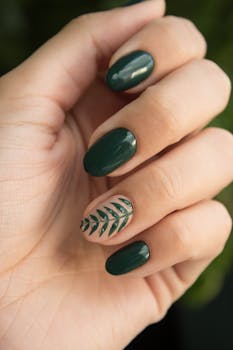
Have you ever taken a close look at your nails and noticed they appear swollen or rounded at the tips? This condition is commonly known as clubbed nails. While often overlooked, changes in the shape of your nails can provide significant insights into your overall health. Clubbed nails may indicate underlying health issues, and understanding what they signify can be essential for early detection and management of potential health conditions.
Causes of Clubbed Nails
Clubbed nails develop gradually and can result from various medical conditions. Often, they are associated with diseases affecting the heart and lungs, such as congenital heart disorders and lung conditions like emphysema or pulmonary fibrosis. The condition can also signal digestive issues such as inflammatory bowel disease or liver diseases. If you notice nail clubbing, it’s wise to consult with a healthcare professional for further investigation.
Medical Conditions Linked to Clubbed Nails
Understanding the potential medical implications of clubbed nails is crucial. One of the most common associations is with chronic lung diseases. For instance, individuals with diseases such as chronic obstructive pulmonary disease (COPD) often exhibit this nail characteristic. Similarly, clubbing could suggest cardiovascular issues, especially with the heart’s ability to deliver oxygen efficiently to the body.
Chronic infections and systemic diseases might also manifest through clubbed nails. Conditions like Crohn’s disease and ulcerative colitis are inflammatory bowel diseases that may be linked to this nail abnormality. Moreover, certain liver diseases, such as cirrhosis, can contribute to changes in nail appearance.
Recognizing Clubbed Nails
The appearance of clubbed nails is distinctive and typically involves the softening of the nail bed, which results in the nail becoming more curved. The tips of the fingers may enlarge, giving them a bulbous appearance. The angle between the nail and its base tends to increase, making the nails look more rounded.
Recognizing these changes early can be beneficial. If you observe such changes, it’s helpful to keep a log of any accompanying symptoms such as difficulty breathing, persistent cough, or digestive issues, as these can be important clues for healthcare providers.
The Diagnostic Process
If you suspect you have clubbed nails, a healthcare professional will likely perform a thorough examination followed by specific tests. Blood tests, imaging, and pulmonary function tests may be utilized to rule out or confirm underlying medical conditions. Your doctor may involve specialists depending on the suspected cause.
Being open about any other symptoms you may experience will aid in accurate diagnosis. Early intervention can lead to more favorable outcomes, especially when tied to chronic conditions needing long-term management.
Treatment and Management
The treatment for clubbed nails largely hinges on addressing the underlying condition. For instance, lung diseases may require medications, lifestyle changes, or even surgical interventions to improve lung function. Similarly, cardiovascular conditions might need medications to improve heart efficiency.
Regular monitoring and follow-ups with your healthcare provider are pivotal to managing any chronic conditions discovered during diagnosis. You can explore treatment options further, including both holistic and traditional methods, in our comprehensive article on holistic versus traditional medicine.
Living with Clubbed Nails
While the visual aspect of clubbed nails might be concerning, it’s essential to focus on overall health management. Lifestyle factors such as a balanced diet, regular exercise, and avoiding smoking can positively impact many underlying conditions associated with clubbed nails. Keep an active dialogue with healthcare providers to stay informed about your health status.
Clubbed Nails and Prognosis
The prognosis for individuals with clubbed nails depends significantly on the underlying cause. In cases where a serious health condition is identified and appropriately managed, individuals can lead healthy lives. Being proactive and maintaining regular health check-ups can aid in early detection and treatment of potential health issues.
For more detailed information on health and related conditions, consider visiting this informative page on health.
Conclusion
In conclusion, clubbed nails can be more than a cosmetic concern; they may provide insights into your overall health. It’s important to pay attention to these subtle body changes and seek medical advice if you notice any associated symptoms. With proper management and care, you can address or mitigate the underlying causes of this condition, ensuring better health outcomes for the future.
- Clubbed nails may indicate underlying health conditions.
- Common associations include lung and heart diseases.
- Early detection through nail changes can aid in timely intervention.
- Diagnosis involves a comprehensive examination and specific tests.
- Focus on managing the underlying cause for better outcomes.
What do clubbed nails look like?
Clubbed nails are characterized by a rounded, bulbous appearance of the nail at the fingertip, often accompanied by an increase in the angle created between the nail and its base.
What causes clubbed nails?
Various health conditions, particularly those affecting the lungs, heart, and digestive system, can cause clubbed nails. Other systemic diseases or chronic infections may also contribute.
How are clubbed nails treated?
Treatment focuses on addressing the underlying medical condition. This can involve medications, lifestyle changes, or other medical interventions tailored to the specific health issue.
Can clubbed nails improve with treatment?
Yes, if the underlying condition causing the clubbing is effectively managed, the nails may partially return to their normal appearance, depending on the severity and duration of the underlying issue.
Should I see a doctor for clubbed nails?
Yes, it is advisable to seek medical advice if you observe changes in your nails, especially if accompanied by other symptoms, to ensure any underlying health issues are identified and managed promptly.
Other Articles You May Find of Interest...
- Exploring the Health Implications of Cobblestoning in Medical Diagnosis
- Unlocking the Secrets of LDL-P: What It Means for Your Heart Health
- Exploring the Importance of the Greater Sciatic Notch in Human Anatomy
- What to Do If You Have a Popped Blood Vessel in Your Finger?
- Discover the Most Powerful Natural Blood Thinners for Optimal Health
- Exploring the Causes and Treatments of Marantic Endocarditis
- The Importance of the Median Cubital Vein in Blood Draws and Health Assessments




