






More Vascular Health Articles
The Role of Thrombin-Antithrombin in Blood Clotting and Health
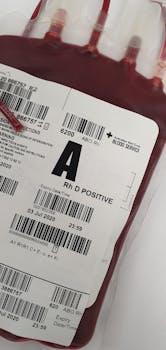
Understanding the interaction between thrombin and antithrombin is crucial for comprehending how our bodies control blood clotting and maintain overall health. Thrombin-antithrombin plays a vital role in coagulation, a process that prevents excessive bleeding when injuries occur. This delicate balance ensures that clots form only when necessary and avoid clot-related complications.
The Function of Thrombin-Antithrombin
Thrombin is an enzyme in the blood that triggers the transformation of fibrinogen into fibrin, leading to clot formation. Antithrombin, on the other hand, is a protein that acts as a natural anticoagulant. It regulates thrombin by inhibiting its activity, preventing excessive clotting that could lead to blockages in blood vessels.
The relationship between thrombin and antithrombin is essential for maintaining hemostasis, the body’s process of stopping bleeding. This balance ensures that blood clots adequately form to halt bleeding while preventing unnecessary clots that could result in health threats like heart attacks or strokes.
Imbalances in Thrombin-Antithrombin
Disruptions in the thrombin-antithrombin balance can lead to various health issues. When thrombin’s activity exceeds antithrombin’s capacity to regulate, it can result in hypercoagulation. This condition may cause the development of dangerous blood clots, known as thrombi, which have the potential to block blood flow to vital organs.
Conversely, insufficient thrombin activity may lead to bleeding disorders, where the blood does not clot efficiently. This can result in prolonged bleeding even from minor injuries, posing significant health risks.
Factors Affecting Thrombin-Antithrombin Levels
Several factors can influence the balance between thrombin and antithrombin in the body. Genetic predispositions, certain medications, and lifestyle choices can all impact these levels. For instance, obesity and a sedentary lifestyle can contribute to increased thrombin activity, amplifying the risk of clotting disorders. Learn more about how lifestyle choices impact overall health.
Furthermore, specific medical conditions such as liver disease can affect antithrombin production, limiting its ability to control thrombin effectively. Conditions that require anticoagulant medications also necessitate a careful understanding of thrombin-antithrombin dynamics to manage treatment plans safely.
Thrombin-Antithrombin in Disease Prevention
Maintaining a healthy thrombin-antithrombin balance is crucial for reducing the risk of blood clot-related diseases. Healthcare providers often monitor anticoagulation in patients with risk factors for clotting disorders. This precautionary measure aids in preventing complications arising from imbalanced clotting mechanisms.
Research continues to explore ways to use thrombin-antithrombin modulation as a therapeutic strategy. By enhancing or diminishing the action of these proteins, future treatments may improve outcomes for conditions such as deep vein thrombosis (DVT) and pulmonary embolism.
Current Research and Future Directions
Recent studies have focused on how targeting specific enzymes related to thrombin and antithrombin can lead to advanced therapies for managing blood clots. Innovations in medical technology promise to refine the approaches used in coagulation management.
Additionally, researchers are examining dietary and lifestyle interventions that may support thrombin-antithrombin balance. While no specific foods cure clotting disorders, certain nutrients and healthy practices are being studied for their potential to enhance anticoagulation. For more in-depth information, visit the thrombin page on Wikipedia.
Conclusion
The role of thrombin-antithrombin in health is foundational to our body’s ability to manage bleeding and prevent clot-related diseases. By understanding the factors that influence this balance, individuals can take proactive steps to maintain their vascular health. Discussing any concerns with a healthcare provider is essential for personalized advice.
- Thrombin is crucial for clot formation.
- Antithrombin regulates thrombin to prevent excessive clotting.
- Imbalances can lead to serious health issues.
- Research is advancing in anticoagulation therapies.
- Healthy lifestyle choices support thrombin-antithrombin balance.
What is thrombin-antithrombin?
Thrombin-antithrombin describes the relationship between thrombin, an enzyme that promotes blood clotting, and antithrombin, a protein that inhibits excessive clotting.
How can lifestyle choices impact thrombin-antithrombin levels?
Lifestyle factors such as diet, exercise, and weight management can influence thrombin-antithrombin balance by affecting overall blood health and coagulation.
What conditions might result from imbalances in thrombin-antithrombin?
Imbalances can lead to hypercoagulation or bleeding disorders, potentially causing health problems like thromboembolic events or prolonged bleeding.
Are there treatments available for managing thrombin-antithrombin related disorders?
Treatments generally involve anticoagulation therapy, which must be tailored to individual needs and overseen by healthcare professionals.
Can diet alone correct thrombin-antithrombin imbalances?
While diet alone cannot correct imbalances, nutrition can play a supportive role in maintaining vascular health alongside professional medical advice.
Other Articles You May Find of Interest...
- Navigating the Challenges of Vasoplegia in Health Management
- Achieving Optimal Health Through Understanding Euvolemia
- Is SMV Thrombosis Affecting Your Health? Discover the Signs and Solutions
- Synchronized Cardioversion: A Lifesaving Approach to Restoring Heart Rhythm
- Exploring the Anterior Interventricular Sulcus: Key Insights for Heart Health
- Unraveling the Secrets of Pulmonary Embolism ECG: What the Readings Reveal
- Exploring the Adductor Canal: Its Role in Lower Limb Function




