More Vascular Health Articles
The Benefits of Autologous Transfusion for Safe Blood Management
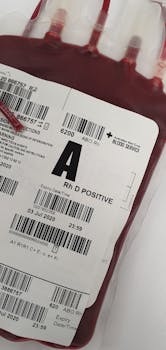
Imagine preparing for surgery and discovering that you have an option to use your own blood for transfusions if needed. This is called autologous transfusion, a procedure where a patient’s blood is collected, stored, and returned to them during or after a surgical procedure. This method is gaining attention as a safe and effective approach for blood management, minimizing the risks associated with receiving blood from a donor.
Understanding Autologous Transfusion
Autologous transfusion involves collecting blood from a patient weeks prior to surgery or for certain medical conditions. The blood is stored and available for use during surgery, reducing reliance on donor blood and the associated risks like allergic reactions or infections. Patients typically donate one or more units of blood in advance, which is specifically earmarked for their needs.
Benefits of Using Your Own Blood
There are several advantages to choosing autologous transfusion. Firstly, it eliminates the risk of transmission of infectious diseases like HIV or hepatitis, as the blood is the patient’s own. Additionally, it reduces the likelihood of immune reactions that can occur when receiving donor blood. For many, this peace of mind is invaluable as they head into surgery.
When to Consider Autologous Transfusion
This method is especially beneficial for patients undergoing elective surgery where blood loss is anticipated. Procedures such as orthopedic surgeries, vascular operations, and certain cardiac surgeries often see patients leveraging this option. The decision to use autologous transfusion depends on the patient’s overall health and hemoglobin levels at the time of donation.
Challenges and Considerations
Despite its benefits, autologous transfusion requires careful planning. Coordination with healthcare providers is crucial to ensure blood is collected, preserved, and available when needed. Some patients might also experience temporary anemia post-donation, requiring recovery time before surgery. It is important to follow medical advice regarding replenishing iron levels and maintaining overall health after donations.
When to Seek Care
If you’re considering autologous transfusion, discuss options with your healthcare provider well in advance of any planned surgery. This ensures there’s adequate time for blood collection and your body has the chance to recover. Individuals with anemia, heart conditions, or other underlying health issues should consult with their clinician. A hematologist or your primary care physician can help assess whether this type of transfusion is suitable for you.
Practical Considerations
Before proceeding, patients should consider potential logistical challenges. Regular appointments will be necessary to draw and store blood. Patients should also enquire about the facility’s capacity to store the blood safely and the protocols in place for its use during surgery.
For those unsure about the benefits and risks of autologous transfusion compared to traditional donor transfusions, speaking with specialists or visiting trusted medical resources like the Mayo Clinic can provide further insights. It’s also worth considering the impact of conditions that affect blood levels, such as hemochromatosis. Learn more about recognizing the signs of hemochromatosis.
Common Questions
Is autologous transfusion safer than donor transfusion?
Autologous transfusion is considered safer by eliminating risks of transfusion-related infections and allergic reactions. However, it involves planning and the need for personal health considerations.
Who can perform autologous transfusion?
This procedure is typically managed by a team that includes surgeons, hematologists, and transfusion medicine specialists, ensuring blood safety and compatibility.
What are the recovery expectations after donation?
The body usually needs a few weeks to replenish its blood supply after donation. Physicians may recommend iron supplements and a nutritious diet to aid recovery.
Are there any risks associated with autologous transfusion?
While risks are minimized compared to donor transfusions, autologous transfusion may still involve risks such as temporary anemia, especially if the patient donates multiple units.
- Takeaways
- Autologous transfusion uses your own blood, reducing infection risks.
- Ideal for elective surgeries with expected blood loss.
- Plan and coordinate with healthcare providers long before surgery.
- Discuss with a clinician to see if it’s right for you.
Understanding how autologous transfusion can play a crucial role in your healthcare may empower you to make informed decisions about surgical and medical interventions. Always consult with your healthcare provider to explore if it fits your specific needs and circumstances.
Other Articles You May Find of Interest...
- Livedo Racemosa vs. Livedo Reticularis: How the Patterns Differ
- Black or Purple Skin Discoloration: Bruise, Blood Flow, or Emergency?
- Should You Exercise With a DVT? Movement and Safety
- Blood Clots in Pictures: What to Look For
- Venous Reflux: What It Is, Why It Happens, and What to Do About It
- Exploring the Anatomy and Functions of the Frontal Section of the Head
- Exploring the Fascinating Functions of Human Body Organs