






Your Health Magazine
4201 Northview Drive
Suite #102
Bowie, MD 20716
301-805-6805
More Vascular Health Articles
Navigating Varus Stress: Insights for Improved Joint Health
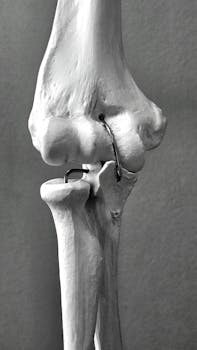
Varus stress refers to a force applied to a joint that causes it to angle inward, impacting alignment and potentially leading to joint damage. This term often surfaces in medical discussions around knee injuries, but understanding its implications can provide insights into maintaining joint health. For those looking to support joint health further, joint support supplements can complement exercise and nutrition, helping maintain cartilage, reduce discomfort, and keep your joints moving comfortably.
Understanding Varus Stress
Varus stress commonly affects the knees and is associated with deformities or injuries such as a bowlegged stance. This stress can lead to uneven pressure on the knee joint, increasing the risk for conditions like osteoarthritis. Recognizing varus stress’s impact on your joints can guide decisions about treatment and preventative care.
Impact on Joint Health
The application of varus stress shifts the body’s normal alignment, contributing to an uneven distribution of weight and pressure across the joint. This imbalance can accelerate cartilage wear and lead to degenerative joint diseases. Proper posture and techniques in physical activities are crucial in managing this risk.
Assessment and Diagnosis
Healthcare providers typically identify varus stress through physical examinations and imaging tests like X-rays or MRIs. By evaluating joint alignment and function, they can determine the degree of stress and recommend appropriate interventions. Early diagnosis is key to preventing further complications.
Treatments and Interventions
To manage varus stress, a combination of therapies can be employed. Physical therapy plays a vital role by strengthening muscles that support joint alignment. In some cases, bracing or orthopedic interventions might be necessary to correct alignment. Surgical options are considered for severe cases to realign the joint and reduce stress.
Varus stress can also be addressed through weight management. Maintaining a healthy weight reduces the load on joints, which can mitigate stress. For more information on safe and effective approaches to weight management, explore our article on weight loss approaches.
Preventing Joint Stress
Prevention of varus stress involves comprehensive strategies to maintain overall joint health. Engaging in regular low-impact exercises such as walking, cycling, or swimming strengthens muscles around joints and improves balance. Proper footwear and supportive orthotics can also aid in maintaining alignment.
The Role of Nutrition
Nutritional choices play a role in joint health. A balanced diet rich in anti-inflammatory foods, such as fruits, vegetables, and omega-3 fatty acids, supports joint function. Supplements with glucosamine and chondroitin may help some individuals support cartilage health; however, consult with a healthcare provider before starting any new supplement regimen.
Final Thoughts on Varus Stress
Managing varus stress is crucial for long-term joint health and functionality. By understanding its causes and integrating lifestyle strategies, individuals can minimize the risk of related complications. For additional detailed information, refer to this external resource on health.
- Varus stress affects joint alignment, particularly in the knees.
- Physical therapy and weight management are key interventions.
- Proper diagnosis and early intervention can prevent long-term damage.
- Regular exercise and good nutrition support joint health.
- Consult healthcare providers for personalized management strategies.
What is varus stress?
Varus stress is a force that causes a joint, like the knee, to angle inward, potentially impacting its function and causing complications such as osteoarthritis if not managed properly.
How is varus stress diagnosed?
Healthcare providers use physical exams and imaging tests, such as X-rays or MRIs, to evaluate joint alignment and function to diagnose varus stress.
Can varus stress be prevented?
While not all cases can be prevented, maintaining a healthy weight, engaging in joint-friendly exercises, and using proper footwear can mitigate the risk or impact of varus stress.
What are common treatments for varus stress?
Common treatments include physical therapy, the use of braces, weight management, and in severe cases, surgical interventions to realign the joint.
Why is weight management important for varus stress?
Effective weight management reduces stress on the joints, thereby lowering the risk of developing or exacerbating conditions caused by varus stress.
Other Articles You May Find of Interest...
- Essential Insights on Permacath: A Lifeline for Patients Needing Long-Term Access
- Exploring the Health Implications of Cobblestoning in Medical Diagnosis
- Unlocking the Secrets of LDL-P: What It Means for Your Heart Health
- Exploring the Importance of the Greater Sciatic Notch in Human Anatomy
- What to Do If You Have a Popped Blood Vessel in Your Finger?
- Discover the Most Powerful Natural Blood Thinners for Optimal Health
- Exploring the Causes and Treatments of Marantic Endocarditis




