






More Vascular Health Articles
Exploring the Reasons Behind High Hemoglobin Levels
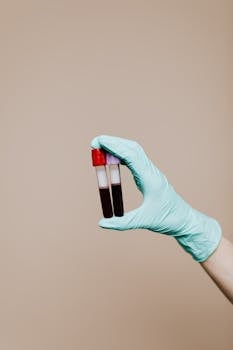
Understanding what causes high hemoglobin is crucial for maintaining good health. Hemoglobin, a protein found in red blood cells, is responsible for carrying oxygen throughout the body. However, when levels are too high, it can indicate underlying health issues that may need attention. In this article, we will explore various causes of high hemoglobin levels, possible implications for your health, and methods for managing this condition.
What Causes High Hemoglobin?
High hemoglobin can result from a variety of factors, some physiological and others related to lifestyle or environmental conditions. Knowing the underlying cause is essential for proper management and treatment.
Physiological Factors
Several medical conditions can lead to elevated hemoglobin levels:
- Polycythemia Vera: This is a rare blood disorder where the bone marrow produces too many red blood cells, elevating hemoglobin levels.
- Chronic Obstructive Pulmonary Disease (COPD): Long-term lung conditions like COPD can trigger the body to produce more red blood cells in an attempt to compensate for decreased oxygen exchange.
- Sleep Apnea: Intermittent breathing cessation during sleep can lead to increased hemoglobin as the body compensates for reduced oxygen intake.
Lifestyle and Environmental Factors
In addition to medical conditions, certain lifestyle and environmental aspects can cause high hemoglobin levels:
- Smoking: Smoking reduces lung function and oxygenation, prompting the body to produce more red blood cells.
- Living at High Altitudes: At higher altitudes, oxygen levels in the air are lower, stimulating the body to increase hemoglobin production for better oxygen transport.
- Dehydration: When dehydrated, blood becomes more concentrated, falsely elevating hemoglobin levels.
Other Potential Causes
In some cases, other factors may contribute to elevated hemoglobin levels:
- Anabolic Steroid Use: These substances can stimulate the production of red cells, leading to higher hemoglobin.
- Supplmentation with Erythropoietin: Erythropoietin is a hormone that controls red blood cell production, and its use can increase hemoglobin levels.
Understanding these potential causes of high hemoglobin can guide appropriate interventions and lifestyle adjustments.
Health Implications of High Hemoglobin
Elevated hemoglobin levels can have several health implications, potentially leading to complications if unaddressed:
- Increased Risk of Blood Clots: High hemoglobin can thicken the blood, raising the risk for clots, strokes, and heart attacks.
- Heart Disease: The increased workload on the heart to circulate extra red cells can contribute to cardiovascular issues.
- Circulatory Problems: Overly viscous blood may impede normal circulation, affecting oxygen delivery to tissues and organs.
These implications highlight the importance of monitoring hemoglobin levels and seeking medical advice if they become elevated.
Managing High Hemoglobin Levels
Addressing high hemoglobin levels often starts with understanding its cause. Treatment plans may include:
- Lifestyle Adjustments: Quitting smoking, ensuring proper hydration, and considering the effects of altitude on hemoglobin levels.
- Medical Interventions: Addressing underlying conditions like sleep apnea or adjusting medications as advised by a healthcare provider.
- Regular Monitoring: Keeping track of hemoglobin levels through routine blood tests, as recommended by a healthcare practitioner.
Consulting with a healthcare provider is crucial for personalized advice and to determine the best course of action for maintaining healthy hemoglobin levels.
For further understanding of blood-related issues, you may find insights from our article on recognizing the signs of hemochromatosis helpful.
To further explore the science behind hemoglobin, visit this comprehensive page on Wikipedia.
- High hemoglobin can result from various physiological, lifestyle, and environmental factors.
- Potential health risks include blood clots and heart complications.
- Lifestyle changes and medical evaluation are key to managing high hemoglobin levels.
- Understanding underlying causes is essential for effective treatment.
- Regular monitoring and consultation with healthcare professionals are recommended.
What is high hemoglobin?
High hemoglobin refers to elevated levels of hemoglobin in the blood, which can be indicative of various health conditions or environmental adaptations.
Can dehydration cause high hemoglobin levels?
Yes, dehydration can concentrate the blood, leading to temporarily elevated hemoglobin levels. Staying hydrated can help maintain normal levels.
How is high hemoglobin diagnosed?
High hemoglobin is typically diagnosed through a complete blood count (CBC) test, which measures hemoglobin concentration along with other blood parameters.
Can high hemoglobin levels be lowered naturally?
Making lifestyle changes such as quitting smoking, staying hydrated, and addressing sleep apnea can help lower hemoglobin levels naturally.
What should I do if I suspect high hemoglobin?
If you suspect high hemoglobin, consult a healthcare provider for evaluation and discussion of possible causes and management strategies.
Other Articles You May Find of Interest...
- Essential Insights on Permacath: A Lifeline for Patients Needing Long-Term Access
- Exploring the Health Implications of Cobblestoning in Medical Diagnosis
- Unlocking the Secrets of LDL-P: What It Means for Your Heart Health
- Exploring the Importance of the Greater Sciatic Notch in Human Anatomy
- What to Do If You Have a Popped Blood Vessel in Your Finger?
- Discover the Most Powerful Natural Blood Thinners for Optimal Health
- Exploring the Causes and Treatments of Marantic Endocarditis




