






More Vascular Health Articles
Central Line or PICC: Which Catheter Is Right for You?
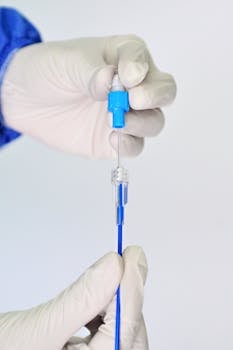
When it comes to choosing between a central line and a PICC line for intravenous access, understanding the differences and uses can help guide decision-making. Both are commonly used for administering medications, nutrients, and fluids directly into the bloodstream. However, specific circumstances may make one option preferable over the other. This article will explore the key aspects of the central line vs PICC, helping you or a loved one determine which catheter might be most suitable.
Understanding Central Lines
A central line, also known as a central venous catheter (CVC), is a flexible tube placed into a large vein in the neck, chest, groin, or arm. It’s often used for patients requiring long-term therapy, frequent blood sampling, or administration of irritating medications. Central lines can stay in place for weeks or even months, making them ideal for extended treatment periods. They offer a larger and more reliable route compared to smaller peripheral veins.
The Basics of a PICC Line
A peripherally inserted central catheter (PICC) is inserted into a vein in the arm and guided to a large vein near the heart. PICC lines are a less invasive option for patients needing medium to long-term intravenous access—typically ranging from several weeks to a few months. Their placement doesn’t require major surgery and is often completed as an outpatient procedure.
Central Line vs PICC: Making the Choice
When considering a central line vs PICC, various factors come into play, including the expected duration of treatment, type of medication, patient lifestyle, and risk of complications. Central lines offer a higher flow rate and are generally better for patients with collapsed veins. In contrast, PICC lines are usually adequate for chemotherapy, antibiotics, or nutrition support and involve a shorter recovery time post-placement.
Advantages and Disadvantages
Understanding the potential benefits and drawbacks of each catheter type can further aid decision-making. Here are some key points to consider:
Advantages of Central Lines
- Higher flow rates for large volumes or thick solutions.
- Often allow concurrent intravenous therapies.
- Can support dialysis or apheresis if required.
Disadvantages of Central Lines
- Greater risk of infection and complications like pneumothorax.
- More invasive placement procedure.
- Typically requires removal by a medical professional.
Advantages of PICC Lines
- Lower risk of complications during placement.
- Lines can often be managed outside of the hospital setting.
- Reduced risk of patient discomfort compared to repeated needle sticks.
Disadvantages of PICC Lines
- Not suitable for very large or thick infusions.
- May lead to thrombosis without appropriate care and monitoring.
- Needs careful management to avoid dislodgement.
What to Consider When Choosing
A comprehensive discussion with your healthcare provider should precede the decision on catheter type. Considerations include personal health history, specific treatment needs, and lifestyle impacts. Individuals looking to integrate regular physical activity should explore ways to stay active while managing a catheter.
Care and Maintenance
Both central and PICC lines require diligent care to minimize complications and prolong functionality. This includes routine cleaning, careful monitoring for signs of infection, and regular flushing with sterile solutions. Patients must be educated on the signs of complications, such as redness, swelling, or fever, which necessitate immediate medical attention.
Potential Risks and Complications
While central and PICC lines are generally safe, they can pose risks such as infection, thrombosis, and mechanical complications. The choice between central line vs PICC can influence the risk profile, with central lines typically presenting higher infection risks. It’s vital to work with healthcare professionals to tailor line care and quickly address any arising issues.
For more in-depth information about catheter procedures and related health considerations, you can visit this informative resource.
- A central line and PICC line offer distinct benefits for intravenous access.
- The central line provides higher flow rates, ideal for complex therapies.
- A PICC line is less invasive and suitable for medium to long-term use.
- Both require meticulous care to minimize complications.
- Consult healthcare providers to make the best choice for your needs.
What is the difference between a central line and a PICC?
A central line is inserted in a larger vein for high-flow treatments, typically in the neck, chest, groin, or arm. In contrast, a PICC line is inserted in a peripheral vein in the arm and used for medium to long-term intravenous access.
Can you exercise with a PICC or central line?
Yes, but you should consult your healthcare provider to understand any limitations specific to your treatment and line type. It’s essential to protect the catheter site from vigorous activity that could result in dislodgement or damage.
Which has fewer complications: central line or PICC?
PICC lines generally have fewer complications during placement compared to central lines. However, each has unique risks, such as infection or thrombosis, that require preventive care and monitoring.
How long can a PICC line stay in place?
PICC lines are designed for medium to long-term use, typically lasting weeks to months, depending on the patient’s needs and the line’s condition. Careful maintenance can extend its useful duration.
Why might someone need a central line?
Central lines are often necessary for patients requiring rapid administration of large volumes of fluids, complex therapies, difficult intravenous access, or when frequent blood draws are needed, offering a reliable and durable solution.
In weighing the options between a central line vs PICC, discussing your medical needs and lifestyle with a healthcare provider ensures you choose the appropriate catheter for your health and treatment plan.
Other Articles You May Find of Interest...
- Achieving Optimal Health Through Understanding Euvolemia
- Is SMV Thrombosis Affecting Your Health? Discover the Signs and Solutions
- Synchronized Cardioversion: A Lifesaving Approach to Restoring Heart Rhythm
- Exploring the Anterior Interventricular Sulcus: Key Insights for Heart Health
- Unraveling the Secrets of Pulmonary Embolism ECG: What the Readings Reveal
- Exploring the Adductor Canal: Its Role in Lower Limb Function
- Lymphedema vs Lipedema: Key Differences and What You Need to Know



