






Can Losartan Help Lower Your Heart Rate?
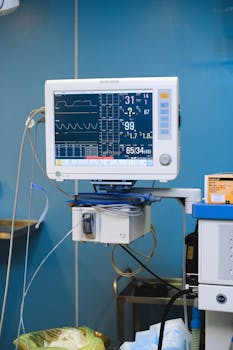
When it comes to managing cardiovascular health, many people wonder, does losartan lower heart rate? Losartan is primarily prescribed to treat high blood pressure (hypertension) and to protect the kidneys from damage due to diabetes. While its main function targets blood vessel relaxation to improve blood flow, some individuals have questions about its effects on heart rate. Understanding the role of losartan in heart rate modulation can help patients discuss their treatment plans with healthcare providers more effectively.
How Does Losartan Work?
Losartan belongs to a class of medications called angiotensin II receptor blockers (ARBs). These medications block the action of a natural substance your body produces that narrows blood vessels. By doing so, they help relax and open blood vessels, reducing blood pressure and improving blood flow. However, losartan’s direct impact on heart rate is not its primary function. Instead, it can contribute indirectly to heart rate modulation by managing conditions like hypertension, which may affect heart rate over time.
Does Losartan Lower Heart Rate?
The question, does losartan lower heart rate, is a common one. While losartan is not specifically indicated for reducing heart rate, lowering blood pressure may lead to a reduction in overall cardiac workload. This can sometimes result in a slight decrease in heart rate. It’s important to note that any changes to heart rate with losartan are generally secondary to its primary role in managing blood pressure. Patients should always consult their healthcare providers to discuss their specific health conditions and any noticeable changes.
Potential Benefits for Heart Health
Although losartan is primarily used to address high blood pressure, its benefits for overall heart health can be significant. By maintaining optimal blood pressure, it reduces the strain on the heart and blood vessels, potentially decreasing the risk of heart-related issues in the long term. Additionally, managing high blood pressure effectively can also lower the risk of stroke, heart attack, and kidney problems.
Considerations and Side Effects
While losartan is generally effective, like any medication, it may have side effects. Some individuals may experience dizziness, fatigue, or nasal congestion. More serious side effects might include electrolyte imbalance or worsening kidney function. It’s crucial for patients to monitor any side effects and communicate them to their healthcare provider promptly. Understanding possible interactions with other medications or supplements is also essential to ensure safety and efficacy.
For lifestyle approaches to support medication efficiency and overall well-being, consider how lifestyle choices impact overall health. Combining medication with a healthy lifestyle, such as regular exercise and a balanced diet, can enhance the results.
Consult Your Healthcare Provider
If you are prescribed losartan, maintaining open communication with your healthcare provider is key. They can tailor medical advice based on your specific condition, helping you navigate dosage adjustments or explain any changes in your health status. It is also crucial to discuss any other medications or supplements you are taking to avoid adverse interactions.
For more comprehensive information on losartan and its role in managing hypertension, visit this detailed article on health.
Benefits and Precautions
While losartan does not primarily target heart rate reduction, it may play a role in heart health through its blood pressure-lowering effects. Keeping blood pressure in check relieves the heart from overworking and contributes to a balanced heart rate in some individuals. However, patients should adhere strictly to medical advice and report any unusual symptoms or concerns about their heart rate.
Does Losartan Lower Heart Rate: Final Thoughts
In summary, while the direct answer to does losartan lower heart rate is not straightforward due to its indirect influence, losartan remains an important medication for managing cardiovascular conditions. Patients are encouraged to work closely with their healthcare providers to optimize treatment outcomes and maintain overall health.
- Losartan is used primarily for managing high blood pressure.
- Its effects on heart rate are indirect and secondary to its main purpose.
- Patients should monitor side effects and adhere to medical guidance.
- Consult healthcare providers for tailored treatment plans.
- Integrate healthy lifestyle choices for better results.
FAQ
Can losartan be used to treat arrhythmias?
Losartan is not typically prescribed for arrhythmias specifically. It is designed to manage hypertension and may have secondary effects on heart rate, but not directly treat arrhythmias. Consult a healthcare provider for appropriate treatment options for arrhythmias.
What is the typical dosage for losartan?
Losartan dosages can vary depending on the condition being treated. A common starting dose for hypertension is usually 50 mg once daily. Always follow the prescribing doctor’s instructions and get their advice for any changes.
Are there any lifestyle changes that can enhance losartan’s effectiveness?
Yes, maintaining a healthy diet low in sodium, engaging in regular physical activity, and avoiding smoking can complement the effects of losartan. These lifestyle choices can further aid in blood pressure management.
Is losartan safe for everyone?
While losartan is widely used, it may not be appropriate for individuals with certain health conditions such as severe kidney disease or pregnancy. Always consult with a healthcare provider for personalized medical advice before starting any new medication.
What should I do if I miss a dose?
If you miss a dose of losartan, take it as soon as you remember unless it is almost time for the next dose. Do not take two doses at the same time. Speak to your healthcare provider for guidance specific to your treatment plan.



