






Your Health Magazine
4201 Northview Drive
Suite #102
Bowie, MD 20716
301-805-6805
More Supplements Articles
Turmeric: Nature’s Golden Spice — A Simple Guide
Turmeric is a perennial herb that thrives year-round in tropical and subtropical regions. Not only is it famous for its vibrant golden color, but it’s also celebrated for its rich medicinal and culinary value, earning it the nickname “golden spice.” Let’s explore its natural features and many benefits.
1. What Turmeric Looks Like & Where It Grows
A turmeric plant usually grows 3 to 6 feet tall, with broad, long, oval-shaped leaves that are dark green on top and light green underneath. It stands straight and tall. In the summer, it sprouts pale yellow or light red flowers, but the real treasure lies underground—its thick, knobby root.
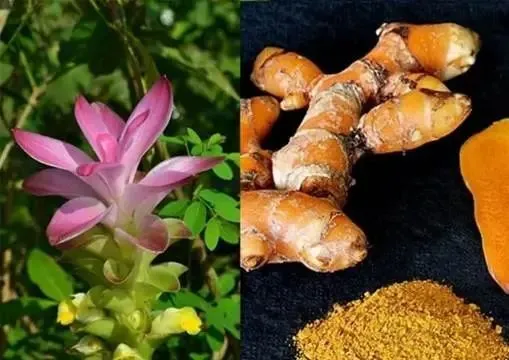
The root, or rhizome, is usually cylindrical or egg-shaped, about 1 to 3 inches long and 1 inch wide. It has a rough, brownish-yellow skin. When you cut it open, you’ll see a bright orange-yellow inside. It smells mild and spicy, with a slightly bitter and peppery taste—this is the part of turmeric that’s most widely used.
Turmeric was first cultivated in India and is now grown in many tropical and subtropical areas, including China, Sri Lanka, and Indonesia. It’s a key ingredient in curry. Ancient Indians considered it a natural medicine that could purify the body, treating fevers, inflammation, and digestive issues.
2. Active Ingredients in Turmeric: More Than Just Curcumin
Turmeric’s health benefits come from a mix of several natural compounds:
Curcuminoids
Curcumin is the most well-known active ingredient in turmeric, making up about 77% of its pigments. The mix also includes demethoxycurcumin (about 17%) and bisdemethoxycurcumin (about 3%). These compounds are known for their anti-inflammatory and antioxidant effects.
Essential Oils
Turmeric root contains about 3–5% essential oils, including turmerone, ar-turmerone, and cineole. These give turmeric its unique smell and have some antibacterial and calming properties.
Other Helpful Compounds
• Terpenes: Like α-turmerone and β-turmerone.
• Plant Sterols: Such as β-sitosterol and stigmasterol.
• Phenolic Acids: Like caffeic acid and ferulic acid, which boost antioxidant power.
• Polysaccharides & Trace Minerals: These can help support the immune system.
3. Benefits & Uses of Turmeric
Turmeric has been used in traditional medicine for centuries, and modern research backs up many of its health benefits:
Fights Inflammation & Pain
Curcumin helps reduce chronic inflammation and pain by blocking certain pathways in the body that produce inflammatory chemicals. It can ease symptoms of arthritis and muscle soreness.
Powerful Antioxidant & Anti-Aging
Curcumin helps neutralize free radicals and boosts the body’s own antioxidant enzymes, protecting cells from damage. This may help slow aging and support healthy skin.
Supports Heart Health
Studies show curcumin can help improve cholesterol levels—lowering total cholesterol and LDL (“bad” cholesterol)—and prevent excessive blood clotting, which may help protect against artery disease.
Aids Digestion & Metabolism
Turmeric stimulates bile production, which helps digest fats. It has long been used to relieve bloating and indigestion. Recent studies also suggest it may help regulate blood sugar.
Brain Health & Mood Support
Some research shows curcumin may help protect against neurodegenerative diseases like Alzheimer’s by fighting inflammation and oxidation. It might also help improve mood.
Other Uses
Besides being a popular spice in curry and mustard, turmeric is also used as a natural food coloring and fabric dye. It’s widely used in both the food and cosmetics industries.
4. Things to Keep in Mind & Possible Side Effects
Turmeric is generally safe, but there are a few things to watch out for:
Who Should Be Cautious
• People with gallbladder issues: Turmeric may increase bile production, so those with gallstones or gallbladder inflammation should avoid high doses.
• People with bleeding disorders or on blood thinners: Turmeric might increase the risk of bleeding.
• Pregnant or breastfeeding women: There isn’t enough safety data, so it’s best to use it with caution.
• People with acid reflux or stomach ulcers: Large amounts of turmeric could irritate the stomach lining.
Medication Interactions
Turmeric may interact with certain medications, such as those for diabetes, high blood pressure, or blood thinning. If you’re on long-term medication, talk to your doctor before taking turmeric supplements.
Dosage & Absorption
Curcumin isn’t easily absorbed by the body on its own. Taking it with black pepper (which contains piperine) or with a fatty meal can help your body absorb it better. Using turmeric in cooking is generally safe, but if you plan to take high-dose supplements regularly, it’s a good idea to check with a healthcare professional first.
Other Articles You May Find of Interest...
- Boosting Your Child’s Health with Magnesium: Essential Benefits and Sources
- Decoding the SPT Medical Abbreviation for Better Health Awareness
- FocusMax Reviews – Is It Really Worth Buying Or Fake Hype?
- Are There Side Effects of NAD+ Supplements You Should Know About?
- Boost Your Health with the Essential Vitamin B2 Mnemonic
- Unlocking the Health Benefits of Pumpkin Seed Oil Capsules
- Unlocking the Health Benefits of Pumpkin Seed Oil for Optimal Wellness



