






Your Health Magazine Contributor
4201 Northview Drive
Suite 102
Bowie, MD 20716
More Supplements Articles
The Aloe Vera Label Detail Almost Nobody Checks
Aloe vera is one of the most recognized plants in the wellness aisle and one of the most poorly understood. Most people picture the gel they put on sunburn and assume the capsule version is the same thing in a different format.
It is not. Depending on how it was processed, an oral aloe product can differ substantially in composition and safety profile.
The difference does not show up in the marketing. It shows up in two or three words on the back of the bottle, and knowing what to look for changes how you shop.
Key Takeaways
- A single aloe leaf yields three very different materials, and only the inner leaf gel is intended for daily oral use.
- The compound of concern is aloin, a bitter yellow anthraquinone found in the latex layer just under the rind.
- US regulators declared aloe not generally recognized as safe and effective in over-the-counter laxative drug products in 2002, and a federal animal study later found a non-decolorized whole leaf extract carcinogenic in rats.
- Purified, aloin-removed preparations have a substantially different safety picture in the same body of research.
- Acemannan is aloe’s most-studied polysaccharide, though most of the human evidence sits in wound healing and dentistry rather than daily supplementation.
One Plant, Three Different Raw Materials
Slice an aloe leaf and you get three distinct layers, and confusing them is where most of the trouble starts.
The outer rind is structural and generally discarded. Directly beneath it sits a thin layer of bitter yellow latex, sometimes called aloe sap, which is where the anthraquinones live.
The clear inner gel, the parenchyma, is the part with the long history of oral use. It is mostly water, with polysaccharides, fiber and a range of minor plant compounds making up the solids.
“Whole leaf” products use all of it, including the latex layer, then vary enormously in how thoroughly they filter the anthraquinones back out. “Inner leaf” products start by excluding the latex entirely.
That single distinction is the most consequential thing on the label, and it is routinely absent from the front of the pack.
Why the Processing Question Matters
The concern about oral aloe is specific, not vague. Aloin is a stimulant laxative, and the Food and Drug Administration reclassified aloe in 1998 as needing more data before it could stay in over-the-counter laxatives.
That data did not arrive. In a final rule published in May 2002, the agency declared aloe not generally recognized as safe and effective in OTC laxative drug products, meaning any product still labeled that way would be considered misbranded.
The larger finding came later. In a two-year drinking water study, the National Toxicology Program reported clear evidence of carcinogenic activity of a non-decolorized whole leaf extract of aloe vera in male and female rats, based on increased adenomas and carcinomas of the large intestine.
Context matters here, and it cuts both ways. The material tested was a non-decolorized whole leaf extract administered daily for two years, and it is not what most consumers are buying.
The dose gap is striking. The International Aloe Science Council had the study material analyzed and reported it contained roughly 10,000 to 13,000 parts per million of aloin, around a thousand times the limit the trade body sets for aloe products intended for oral consumption.
Separate research on purified, decolorized preparations found a different picture. A three-month rat study of decolorized whole leaf juice containing under 0.1 parts per million total anthraquinones produced no adverse effects.
That is not a clean bill of health. The National Center for Complementary and Integrative Health notes that a small amount of laboratory research suggests even decolorized extract might have the potential to damage DNA or chromosomes, so the honest position is reduced concern rather than none.
The practical takeaway is not that aloe is dangerous. It is that “aloe vera” on a label tells you almost nothing without knowing which part of the plant it came from and whether the aloin was removed, which is the kind of scrutiny worth applying to any of the gut health supplements you take daily rather than occasionally.
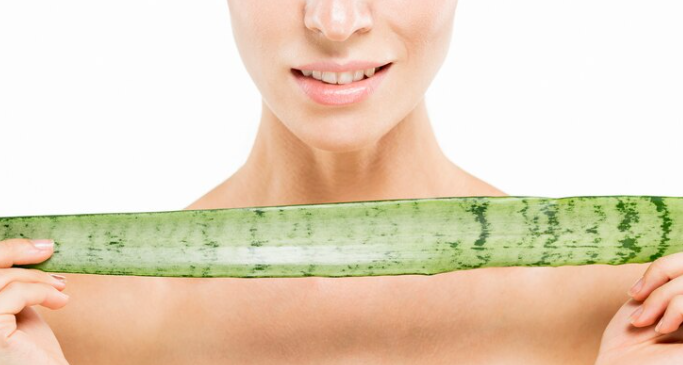
It is worth knowing how the latex actually gets removed. Whole leaf processing typically grinds the entire leaf and then filters the latex out, commonly using an activated charcoal step, which is the process the word “decolorized” refers to.
Inner leaf processing takes the opposite route by separating the gel fillet from the rind and latex at the start. Both can arrive at a low-aloin product, but one removes a contaminant and the other avoids introducing it.
What Acemannan Actually Is
If you have read anything about aloe’s active compounds, you have encountered acemannan. It is the plant’s principal bioactive polysaccharide, a beta-(1,4)-linked acetylated polymannose found in the inner leaf gel.
It is genuinely well characterized at a molecular level, and reviews describe immunomodulatory, antimicrobial and tissue-regeneration activity in laboratory and animal models.
Be careful about how far that evidence stretches. The strongest human data sits in fairly narrow clinical applications, particularly wound healing, oral lesions and dental work including pulp and bone regeneration, rather than in trials of daily oral capsules for general wellness.
That does not make it uninteresting. It does mean the honest framing is a well-studied compound with promising mechanisms and a thinner evidence base for the specific way most people take it.
Acemannan has a second role beyond biology. It is the marker used to authenticate the plant, and the International Aloe Science Council takes the position that if a product contains no acemannan, its aloe content cannot be confirmed at all.
There is a further wrinkle in how concentration gets reported. Fresh inner leaf gel is roughly 98.5 to 99.5 percent water, so the meaningful comparison between products is the solids content and what is in them, not the volume of gel a brand started with.
Processing is where products diverge. Industry figures acknowledge that some methods of processing aloe remove acemannan, so two products made from the same plant can differ substantially in what actually reaches the capsule.
This is the part shoppers have no way to assess from the outside. The finished powder looks much the same either way, and only laboratory testing distinguishes them.
For consumers comparing aloe products, an Acemannan supplement may provide one example of how manufacturers disclose details such as inner-leaf sourcing, processing methods, acemannan concentration, aloin testing, and batch documentation. These manufacturer claims should be evaluated alongside the product label and any available analytical results.
Independent verification matters more in this category than most. In 2016, Bloomberg News commissioned laboratory testing of store-brand aloe gels sold by several major US retailers and reported that samples showed no trace of acemannan, malic acid or glucose, the three markers used to confirm aloe, but did contain maltodextrin.
The suppliers disputed those findings, and class action suits followed. Whatever the merits of any individual case, the episode is why analytical authentication of the raw material has become a reasonable thing to ask a brand about.
How to Read the Label
Terms such as “inner leaf,” “inner fillet,” or “decolorized” can provide useful information about how the aloe was processed. If that information is not provided, consumers may need to ask the manufacturer for clarification.
Look for a stated aloin figure or an explicit statement that aloin has been removed. The International Aloe Science Council sets a limit of less than 10 parts per million of aloin for aloe products intended for oral consumption, and reputable manufacturers test for it rather than assert it.
Check whether potency is quantified. A label that names acemannan and gives a percentage is telling you something measurable, while “aloe vera extract 500mg” tells you the weight of the powder and nothing about what is in it.
Ask whether batch results are published. Certificates of analysis that you can actually look at, rather than a generic quality badge, are the difference between a claim and evidence.
Finally, scan the other ingredients. A short list is usually a good sign, and fillers occupying most of a capsule are worth noticing.
Who Should Be Cautious
Talk to your doctor before starting oral aloe if you take prescription medication. Aloe latex acts as a stimulant laxative and can deplete potassium, which is why health authorities warn that overuse may increase the risk of adverse effects from cardiac glycosides such as digoxin, and why combining it with diuretics can push potassium too low.
Oral aloe gel has also been associated with lowered blood sugar, so anyone taking diabetes medication should get individual advice rather than self-prescribing. The same applies to anyone with an inflammatory bowel condition or kidney disease, and to anyone scheduled for surgery.
Taken by mouth, aloe in gel, latex or whole leaf form may be unsafe during pregnancy and while breastfeeding, and there is limited safety data for children.
If a product promises to treat a specific disease, treat that as a warning sign rather than a selling point. Dietary supplements are not evaluated by the FDA for treating, curing or preventing disease, and any brand implying otherwise is telling you something about its standards.
The Bottom Line
Aloe vera is a reasonable thing to be curious about. It has a long history of use, a genuinely interesting lead compound and a manufacturing story that actually determines whether you get the benign version or the questionable one.
The research does not support treating it as a remedy for anything specific. It does support being particular about what you buy.
Inner leaf, aloin removed, potency stated, batch tested. Four things to check, and most of the aisle will fail at least one of them.
This article is for general information and is not medical advice. Speak with your physician or pharmacist before starting any new supplement, particularly if you take prescription medication or have a chronic condition.
Frequently Asked Questions
Is it safe to take aloe vera every day? Purified inner leaf preparations with the aloin removed have a much more reassuring safety profile in the available research than whole leaf products containing anthraquinones. The safety picture depends heavily on which type you are taking, so check the label and discuss regular use with your doctor.
What is the difference between aloe vera gel and aloe latex? The gel is the clear inner portion of the leaf. The latex is a bitter yellow fluid in a thin layer just beneath the rind, and it contains the anthraquinones, including aloin, that act as stimulant laxatives and prompted regulatory concern.
Does aloe vera help with bloating or digestion? Some people report digestive benefits and there is preliminary research in this area, but the evidence for oral aloe supplementation is limited and not strong enough to support definitive claims. Persistent digestive symptoms deserve a proper medical assessment rather than a supplement.
What does “decolorized” mean on an aloe product? It means the material has been filtered, typically using activated charcoal, to remove the latex components including aloin. Studies on decolorized preparations have found substantially different safety results compared with non-decolorized whole leaf extracts.
How much acemannan should a supplement contain? There is no established recommended intake, which is precisely why a stated, verified concentration is more useful than an unquantified extract weight. Compare what products actually disclose and be skeptical of any that disclose nothing.
Other Articles You May Find of Interest...
- Ayurvedic Tablets Americans Are Ordering Online: What’s Actually in Chandraprabha Vati and Neem Tablets
- How Often Should You Get a Vitamin B12 Shot?
- Choosing a Black Maca and Ashwagandha Supplement
- NAD+ and Healthy Aging: A Cardiologist’s Guide to Choosing an NMN Supplement
- Amla and Nerve Pain: What the Science Can and Can’t Tell You
- What Is D-Ribose? Its Role in Cellular Energy, ATP Production, and NAD⁺ Synthesis
- How to Verify Green Tea Extract Catechin Profiles by HPLC





