Your Health Magazine Contributor
4201 Northview Drive
Suite 102
Bowie, MD 20716
More Supplements Articles
Grass-Fed Beef Liver Capsules: What to Look For and Why Processing Matters

Beef liver capsules are dried, powdered liver in a swallowable form. That is the whole product, and it has become a crowded shelf. Organ supplements have moved from a carnivore-diet curiosity to something ordinary pharmacies stock, and the products on that shelf look almost identical from the outside: similar jars, similar grass-fed claims, similar milligram figures.
They are not identical. What separates a good one from a poor one comes down to a handful of things a buyer can check before paying, and one of them matters far more than the rest.
Why anyone is buying dried liver in 2026
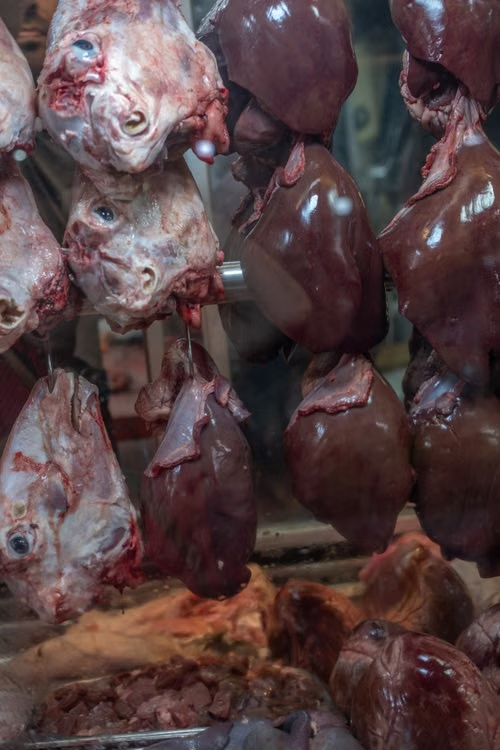
Liver earns the attention. Iron is the headline: three ounces supplies 5 mg, and it arrives as heme iron, the type that comes from animal tissue rather than from plants. That distinction does real work. Federal guidance sets the iron requirement 1.8 times higher for people eating vegetarian diets, precisely because the plant form is harder for the body to take up.
Vitamin A, B12, choline and copper come along with it. Those are not arbitrary things to be topping up. National dietary survey figures collated by Oregon State University’s Linus Pauling Institute show most of the population sitting under the recommended intake for choline, and just over four in ten under it for vitamin A.
Capsules exist because the alternative is cooking liver, and most people who intend to do that do not.
The shapes these products take
The category sorts into a few recognisable types, and knowing which one is in front of you makes every label easier to read.
Single-organ liver capsules are the original form and the simplest. One organ, one milligram figure per serving, nothing to untangle. Because liver is the most nutrient-dense of the commonly used organs, this is also the form that delivers the most of what the category is known for per capsule.
Multi-organ blends put liver alongside heart, kidney, spleen or other organs in a single capsule. The trade is breadth for depth: each organ’s share of the capsule shrinks, and some blends state a total blend weight without breaking down how much of each organ is inside. A blend can be a fine product. A blend that will not tell you its proportions is asking for trust it has not earned.
Targeted blends are marketed at men or at women, with the organ list chosen around the audience. The marketing on these tends to run well ahead of the label, and the same questions apply: which organs, how much of each, and how were they dried.
Then there is powder against capsules. Powder is cheaper per gram and the taste is the tax, which is why most of the market has settled on capsules.
For someone new to the category, plain liver capsules are the sensible starting point. The label is readable, the dose is comparable across brands, and the flagship organ is the one you are actually getting.
Processing is the thing that separates products
Here is what a buyer cannot see and what most brands do not volunteer.
Liver has to be dried before it can be powdered and encapsulated, and there are two ways to do it. High heat is fast and cheap. Freeze-drying is slower and costs more. Processing method can affect nutrient retention, although the extent varies depending on the nutrient and the specific processing conditions. Freeze-drying is one method manufacturers use in an effort to limit heat exposure during processing.
Nothing on the outside of a jar tells you which method was used. Two products can carry similar labels, milligram figures and grass-fed claims while still being processed differently.
So the question to put to any brand in this category is a plain one: how is the liver dried? A company that freeze-dries will say so, because it costs them more and they want the credit. A company that does not answer is answering.
Lonvera states that its grass-fed beef liver capsules are freeze-dried after harvest, powdered, and then encapsulated. The company says it uses freeze-drying to reduce nutrient loss associated with higher-temperature processing.
The other things worth checking

Grass-fed and grass-finished are two different claims, and the gap between them is where much of the category’s fuzziness lives. Cattle can be raised on pasture and moved to grain for the final months and still be described as grass-fed. Grass-finished means grass the whole way.
Dose transparency is the next one. A product should tell you the milligram figure per serving and how many capsules that takes.
Third-party testing is worth looking for and worth reading carefully, because tested and results published are not the same claim. Most brands assert the first. Fewer do the second.
Then there is what a brand will tell you about where things are made. Facility location and cattle origin are separate questions, and buyers who care about the second should ask about it directly rather than reading one into the other.
Two things worth knowing before buying
Processing methods and sourcing details may not always appear directly on a product listing. Buyers who want that information may need to review a brand’s sourcing or manufacturing information separately before making a decision.
The second applies to liver generally rather than to any one brand. Liver is dense in preformed vitamin A, the retinol form found in animal foods, which accumulates in the body rather than clearing the way plant-derived beta-carotene does. Federal guidance sets a tolerable upper intake level of 3,000 mcg per day of preformed vitamin A for adults, and that ceiling covers total intake across food and supplements together. For most people eating an ordinary diet this is not a live issue. Anyone already taking a retinol-containing multivitamin, or who is pregnant or trying to conceive, should put the question of total intake to a doctor before adding a liver supplement rather than after.
Where that leaves a buyer
This is a category where the labels can look alike and processing method is one important detail that may not always be prominently disclosed. So shop it with three questions. How is the liver dried. Is it grass-finished or only grass-fed. Does the label state the milligrams per serving and the capsule count. A brand that answers all three plainly has told you more than most of the shelf will, and a brand that dodges the first one has told you plenty too.
Other Articles You May Find of Interest...
- Ayurvedic Tablets Americans Are Ordering Online: What’s Actually in Chandraprabha Vati and Neem Tablets
- How Often Should You Get a Vitamin B12 Shot?
- Choosing a Black Maca and Ashwagandha Supplement
- NAD+ and Healthy Aging: A Cardiologist’s Guide to Choosing an NMN Supplement
- Amla and Nerve Pain: What the Science Can and Can’t Tell You
- What Is D-Ribose? Its Role in Cellular Energy, ATP Production, and NAD⁺ Synthesis
- How to Verify Green Tea Extract Catechin Profiles by HPLC