






More Sleep Apnea Articles
How Sleep Apnea Affects Your Overall Health and Daily Life
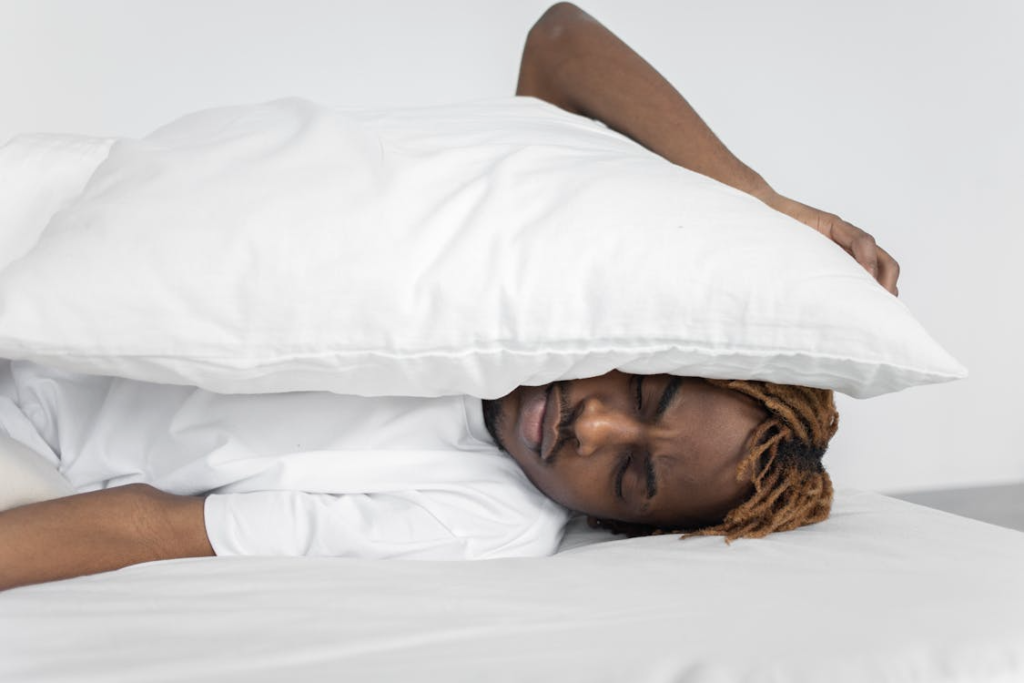
According to the National Sleep Foundation’s 2023 data, sleep apnea affects roughly 39 million American adults — yet many don’t realize the condition extends far beyond nighttime breathing problems. As remote work blurs the boundaries between personal and professional life, the cognitive fog and fatigue that accompany untreated sleep apnea have become increasingly disruptive to productivity and relationships. For the millions navigating this condition, understanding how sleep apnea infiltrates every aspect of daily functioning — from morning alertness to evening social energy — represents the difference between managing symptoms and truly reclaiming quality of life.
The ripple effects touch everything: concentration during important meetings, patience with family members after a fragmented night’s sleep, and even the safety of routine activities like driving. What starts as “just snoring” evolves into a complex web of physical, mental, and social challenges that many people struggle to connect back to their sleep patterns.
How Sleep Apnea Affects Daily Functioning and Alertness
The most immediate impact of sleep apnea hits during waking hours, when the brain struggles to compensate for fragmented sleep architecture. Each breathing interruption — which can occur dozens or even hundreds of times per night — forces the brain into micro-awakenings that prevent the deep, restorative sleep phases essential for cognitive function.
This fragmentation creates a cascade of daytime symptoms that many people initially attribute to stress or aging. Attention and concentration suffer first, as the prefrontal cortex — responsible for executive function — requires quality sleep to maintain peak performance. A software developer might find themselves re-reading the same code multiple times, while a teacher discovers they’re losing track of lesson plans mid-sentence. The working memory that normally allows us to hold information while processing new inputs becomes unreliable.
Morning cognitive performance presents particular challenges, as sleep apnea sufferers often wake feeling unrested despite spending adequate time in bed. The grogginess extends well beyond typical “morning person” preferences — it’s a persistent mental fog that coffee and willpower can’t penetrate. Decision-making becomes more difficult, reaction times slow, and the mental flexibility needed to adapt to unexpected situations diminishes.
Physical coordination and motor skills also deteriorate with chronic sleep disruption. Fine motor tasks requiring precision suffer, while gross motor activities feel more effortful. This explains why people with untreated sleep apnea report feeling clumsy or accident-prone during routine activities. The brain’s ability to integrate sensory information and coordinate appropriate responses operates at reduced capacity when deprived of quality sleep.
Perhaps most concerning for daily safety, reaction time delays can reach levels comparable to mild alcohol impairment. This creates genuine risks during activities requiring quick responses — from navigating busy intersections to responding to workplace emergencies. The implications extend beyond individual safety to affect family members, coworkers, and the broader community.
How Sleep Apnea Influences Mental Health and Social Relationships
The psychological toll of chronic sleep disruption creates a complex interplay between physical symptoms and emotional well-being that many people struggle to untangle. Understanding this connection helps explain why addressing sleep apnea often requires attention to both breathing patterns and mental health support.
Link Between Sleep Apnea and Mood Disorders
Sleep apnea directly affects brain regions responsible for emotional regulation, creating a biological foundation for mood disturbances. The chronic stress response triggered by repeated oxygen desaturation events elevates cortisol levels, contributing to anxiety and depression symptoms that persist throughout the day. Research consistently shows higher rates of depression and anxiety disorders among sleep apnea patients compared to the general population.
The relationship works both ways — depression can worsen sleep apnea symptoms by affecting breathing patterns and sleep architecture, while untreated sleep apnea exacerbates depressive episodes. This creates a challenging cycle where improving one condition often requires addressing both simultaneously. Many people report that their anxiety feels worse in the morning, corresponding to the cumulative stress their bodies experienced during the night’s breathing interruptions.
Irritability and mood swings become more frequent as the brain’s emotional processing centers struggle with sleep deprivation. Small frustrations that might normally roll off trigger disproportionate responses, while emotional resilience — the ability to bounce back from setbacks — diminishes significantly.
Impact on Social Life and Relationships
The social consequences of sleep apnea extend far beyond the bedroom, affecting everything from workplace relationships to family dynamics. Energy levels for social activities consistently rank among the top concerns for people managing this condition, as evening fatigue makes it difficult to maintain friendships and participate in community events.
Romantic relationships face unique pressures when sleep apnea enters the picture. Partners often sleep separately due to loud snoring, creating physical and emotional distance that couples must actively work to overcome. The non-apneic partner frequently experiences their own sleep disruption, leading to mutual exhaustion and shortened tempers. Intimacy can suffer when both partners are chronically tired and emotionally depleted.
Family relationships, particularly with children, require extra attention as parents struggle with reduced patience and energy. The guilt many parents feel about being less present or more irritable with their children adds another layer of emotional complexity to an already challenging situation. Social planning becomes more difficult when energy levels are unpredictable — committing to evening events feels risky when afternoon fatigue might make participation impossible.
Managing Sleep Apnea in Everyday Life

Successfully integrating sleep apnea management into daily routines requires a multifaceted approach that addresses both medical treatment and lifestyle adaptations. The key lies in creating sustainable habits that support both immediate symptom relief and long-term health outcomes.
Lifestyle Changes and Treatment Options
CPAP therapy adherence remains the gold standard for moderate to severe sleep apnea, but success depends heavily on integrating the device into nightly routines without letting it disrupt relationship dynamics or travel plans. Developing a consistent pre-sleep ritual that incorporates mask fitting and equipment checks helps normalize the process. Many people find that involving their partner in understanding the equipment reduces anxiety and creates a supportive environment for treatment.
For those who struggle with CPAP compliance, exploring ways to treat sleep apnea through oral appliances offers an alternative that many find more comfortable for daily use. These devices work by repositioning the jaw to maintain airway openness during sleep, providing effective treatment with less equipment complexity.
Weight management and exercise play crucial roles in symptom improvement, though the fatigue associated with sleep apnea can make establishing exercise routines particularly challenging. Starting with gentle activities during peak energy periods — often mid-morning for most sleep apnea sufferers — helps build sustainable fitness habits. Swimming and walking provide excellent cardiovascular benefits while being accessible regardless of fitness level.
Sleep positioning and environmental modifications offer practical ways to reduce symptom severity. Elevating the head of the bed, maintaining consistent room temperature, and creating conditions that promote nasal breathing all contribute to better sleep quality. Many people discover that seemingly small changes — like switching pillows or adjusting room humidity — produce noticeable improvements in morning alertness.
Psychological and Behavioral Coping Strategies
Stress management techniques become essential tools for managing both the physical and emotional aspects of sleep apnea. The chronic fatigue and health concerns associated with the condition can create significant anxiety, which paradoxically makes sleep more difficult. Developing mindfulness practices, progressive muscle relaxation, or gentle evening yoga helps break the cycle of worry that often accompanies bedtime.
Family education and support systems play a crucial role in successful long-term management. When family members understand how sleep apnea affects mood, energy, and cognitive function, they can provide appropriate support rather than taking symptoms personally. Open communication about treatment challenges and victories helps maintain relationship strength while navigating health improvements.
Building energy conservation strategies into daily schedules helps maximize productive hours while acknowledging realistic limitations. This might involve scheduling important tasks during peak alertness periods, building rest breaks into busy days, or learning to say no to commitments that exceed current energy capacity. The goal is sustainable daily functioning rather than pushing through exhaustion.
Risks and Consequences of Untreated Sleep Apnea
The long-term health implications of untreated sleep apnea extend far beyond daytime fatigue, creating cascading effects that can fundamentally alter life expectancy and quality of life. Understanding these risks helps contextualize why aggressive treatment is often necessary even when symptoms seem manageable in the short term.
Cardiovascular complications represent the most serious long-term consequence of untreated sleep apnea. The repeated oxygen drops and subsequent stress responses place enormous strain on the heart and blood vessels. Hypertension develops in the majority of people with moderate to severe sleep apnea, while the risk of heart attack, stroke, and cardiac arrhythmias increases substantially. The mechanism involves chronic inflammation and oxidative stress that damages blood vessel walls and disrupts normal heart rhythm patterns.
Metabolic dysfunction emerges as another significant concern, with untreated sleep apnea strongly linked to insulin resistance and Type 2 diabetes development. The hormonal disruptions caused by fragmented sleep affect glucose metabolism and appetite regulation, creating a challenging cycle where metabolic problems worsen sleep quality, which in turn exacerbates metabolic dysfunction. Weight gain becomes more difficult to control, while existing diabetes becomes harder to manage.
Cognitive decline and memory problems worsen progressively without treatment, potentially accelerating age-related cognitive changes. The brain’s ability to clear metabolic waste products during sleep becomes impaired, while the consolidation of memories from short-term to long-term storage suffers. Some research suggests connections between severe untreated sleep apnea and increased dementia risk, though more study is needed to establish definitive causal relationships.
Motor vehicle and workplace accidents present immediate safety concerns that affect not only the individual but also public safety. The National Highway Traffic Safety Administration estimates that drowsy driving contributes to thousands of fatal crashes annually, with sleep apnea sufferers representing a disproportionate percentage of these incidents. Reaction time delays and attention lapses create genuine hazards in any situation requiring quick responses or sustained focus.
The immune system also suffers under the chronic stress of untreated sleep apnea, leading to increased susceptibility to infections and slower recovery times from illness or injury. This creates a frustrating cycle where health problems seem to compound, making it more difficult to maintain the energy needed for lifestyle changes that could improve sleep quality.
Understanding Sleep Apnea Diagnosis and Severity
The diagnostic process for sleep apnea provides crucial information that guides treatment decisions and helps individuals understand the scope of their condition. Modern diagnostic approaches have evolved to be more accessible while maintaining accuracy, though understanding what the results mean requires some context about how severity levels translate to daily life impact.
Sleep studies — whether conducted in clinical sleep labs or through home monitoring devices — measure several key variables throughout the night. The Apnea-Hypopnea Index (AHI) counts breathing interruptions per hour of sleep, with mild sleep apnea defined as 5-15 events per hour, moderate as 15-30 events, and severe as more than 30 events. However, these numbers don’t tell the complete story of how the condition affects daily functioning, as individual sensitivity to sleep fragmentation varies significantly.
Oxygen desaturation measurements provide additional insight into the physiological impact of breathing interruptions. Some people maintain relatively stable oxygen levels despite frequent apneas, while others experience significant drops that place greater stress on cardiovascular and cognitive systems. Understanding these patterns helps explain why two people with similar AHI scores might experience vastly different daytime symptoms.
The diagnostic process also evaluates sleep architecture — the normal progression through different sleep stages that allows for physical restoration and memory consolidation. Sleep apnea typically disrupts these patterns, preventing the deep sleep phases necessary for feeling rested regardless of total time spent in bed. This explains why many people with sleep apnea can spend eight or nine hours in bed but still wake up exhausted.
Modern diagnosis increasingly considers daytime symptoms and quality of life measures alongside objective sleep data. Questionnaires about daytime sleepiness, cognitive function, and mood help create a complete picture of how sleep apnea affects individual lives. This comprehensive approach ensures that treatment plans address not just breathing patterns but the full range of ways sleep apnea disrupts daily functioning.
Final Thought
The path forward with sleep apnea diagnosis involves more than just identifying breathing interruptions — it requires understanding how those interruptions translate into the specific challenges you face each day. Armed with accurate diagnostic information and a clear picture of treatment options, most people discover that the daily impacts they’ve been attributing to stress, aging, or personal shortcomings actually have a treatable medical cause. The question becomes not whether improvement is possible, but how quickly you can begin implementing the strategies that will restore both your sleep and your waking life.
Other Articles You May Find of Interest...
- What Happens When Sleep Apnea Goes Unassessed for Years
- How Important Is a Gorgeous Smile?
- How to Get Good CPAP Supplies in Phoenix
- Oral Appliance Therapy for Sleep Apnea: What Actually Happens Once You Say Yes to It
- How Sleep Apnea Affects Your Overall Health and Daily Life
- Who Can Help Diagnose Sleep Apnea? Understanding the Evaluation Process
- Exploring the Various Types of Sleep Apnea and Their Impact on Health





