






More Sleep Apnea Articles
Exploring the Various Types of Sleep Apnea and Their Impact on Health
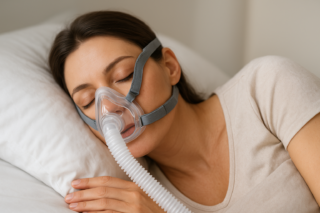
Fatigue and restless nights can often be dismissed as minor inconveniences, yet they might hint at a more significant underlying issue: sleep apnea. This common yet frequently undiagnosed condition can lead to more than just groggy mornings. There are several types of sleep apnea, each impacting your health differently and necessitating specific forms of management.
What are the Types of Sleep Apnea?
Sleep apnea broadly falls into three categories: obstructive, central, and complex. Understanding these variations can help in identifying symptoms and seeking appropriate care.
Obstructive Sleep Apnea (OSA)
Obstructive sleep apnea is the most common type. It occurs when the muscles at the back of the throat relax excessively during sleep, blocking the airway. This obstruction leads to interrupted breathing, often causing loud snoring and daytime fatigue.
Central Sleep Apnea (CSA)
Unlike obstructive sleep apnea, central sleep apnea occurs when the brain fails to send proper signals to the muscles that control breathing. It’s less common but can occur in conjunction with conditions affecting the brainstem.
Complex Sleep Apnea Syndrome
Also known as treatment-emergent central sleep apnea, this type occurs when someone has both obstructive and central sleep apnea. It can develop during treatment for obstructive sleep apnea, proving the complexity of sleep disorders.
When to Seek Care
If you or someone you know is experiencing symptoms like persistent loud snoring, nocturnal awakenings, or excessive daytime sleepiness, it’s time to consult a healthcare provider. Professionals such as sleep specialists or pulmonologists are adept at diagnosing and managing sleep disorders. They might recommend a sleep study to ascertain the type of sleep apnea and appropriate interventions.
While some lifestyle changes might improve mild cases, any severe or persistent sleep apnea symptoms warrant medical evaluation to prevent complications like cardiovascular issues. Discover how lifestyle choices can impact overall health, possibly alleviating some symptoms of sleep apnea.
Impacts on Daily Life
Sleep apnea doesn’t just affect nightly rest; its repercussions echo through daily life. Concentration difficulties, irritability, and an increased risk of accidents due to sleep deprivation are not uncommon. Furthermore, the strain on your cardiovascular system can’t be overlooked, underscoring the need for timely intervention.
Questions to Ask Your Doctor
If diagnosed with sleep apnea, you might discuss several therapy options with your doctor. Continuous positive airway pressure (CPAP) is a common choice, often leading to rapid symptom improvement. Some people wonder about alternative treatments like oral appliances or surgery, which might be suitable depending on the type and severity of their sleep apnea.
Potential side effects from devices like CPAP might concern you, such as nasal congestion or discomfort. Communicating these experiences with your healthcare provider can help refine your treatment plan, ensuring it suits your daily routine and medical needs.
Before beginning any treatment, consider discussing lifestyle modifications that support therapy. Weight loss, positional therapy, and avoiding alcohol or sedatives close to bedtime might bolster treatment effectiveness and overall health.
Takeaways
- Sleep apnea comes in three types: obstructive, central, and complex.
- Symptoms include loud snoring, fatigue, and cognitive issues.
- Consult specialists for a proper diagnosis and treatment plan.
- Management might include devices like CPAP and lifestyle changes.
- Addressing sleep apnea can significantly improve quality of life.
Common Questions
What causes obstructive sleep apnea?
Obstructive sleep apnea is often caused by excessive relaxation of throat muscles, leading to blocked airways. Risk factors include obesity, structural abnormalities in the airway, and lifestyle choices.
Is central sleep apnea reversible?
Central sleep apnea’s reversibility depends on the underlying cause. Addressing related medical conditions or medication side effects might improve symptoms, but ongoing management may be necessary.
How are sleep apnea and heart health connected?
Untreated sleep apnea increases the risk of hypertension, heart disease, and other cardiovascular problems. Nightly oxygen deprivation can strain the heart, leading to long-term consequences.
Should I expect side effects from CPAP therapy?
Common side effects of CPAP therapy include nasal congestion and dryness. It’s vital to communicate any discomfort to your healthcare provider, who can offer solutions like humidifiers or adjustments.
When might surgery be considered for sleep apnea?
Surgery may be considered for sleep apnea when conventional treatments, like CPAP, prove ineffective or intolerable. Factors include apnea severity, structural airway issues, and overall health.
For further information on sleep apnea, explore this comprehensive resource.
Other Articles You May Find of Interest...
- What Happens When Sleep Apnea Goes Unassessed for Years
- How Important Is a Gorgeous Smile?
- How to Get Good CPAP Supplies in Phoenix
- Oral Appliance Therapy for Sleep Apnea: What Actually Happens Once You Say Yes to It
- How Sleep Apnea Affects Your Overall Health and Daily Life
- Who Can Help Diagnose Sleep Apnea? Understanding the Evaluation Process
- Exploring the Various Types of Sleep Apnea and Their Impact on Health





