






Your Health Magazine
4201 Northview Drive
Suite #102
Bowie, MD 20716
301-805-6805
More Senior Health Articles
Why Nursing Home Abuse Is More Common Than You Think
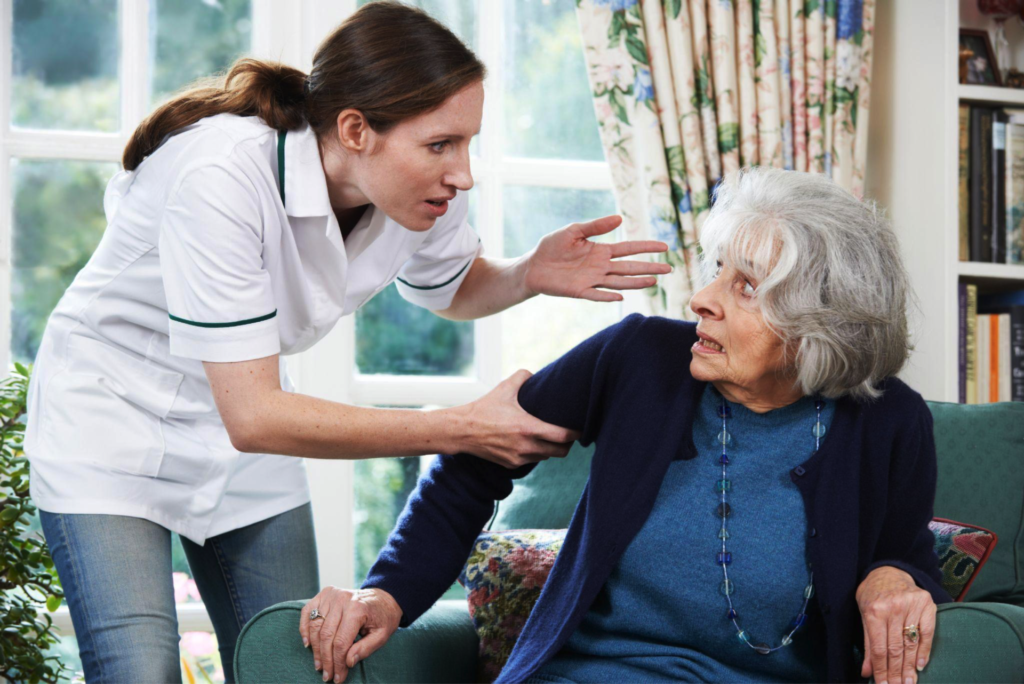
Trust is the foundation that families place in a nursing home. Loved ones are expected to receive care with dignity, safety, and compassion every day. Medical attention, regular meals, clean rooms, and respectful treatment are basic expectations, but sadly, abuse occurs more often than families realize. Abuse can be subtle or hidden, leaving residents at risk.
Being aware of why abuse happens, how to spot it, and what steps to take is essential for protecting residents.
The Hidden Nature of Nursing Home Abuse
Abuse in nursing homes is rarely dramatic or overt. It can begin with small actions or words that seem minor at first but escalate into serious harm. Physical abuse may include hitting, slapping, rough handling, or medication misuse. Emotional abuse can be insults, threats, intimidation, or ignoring a resident’s needs.
Some residents may even face sexual abuse, which can go unreported due to fear, confusion, or memory issues. Residents may also struggle to speak up because of cognitive challenges or communication barriers. Over time, abuse can become normalized within the facility, leaving families unaware of the ongoing harm. Seeking legal help for nursing home abuse early can provide guidance, ensure proper investigation, and protect residents before serious consequences arise.
Common Forms of Nursing Home Abuse
Nursing home abuse is not always visible, but its effects can be severe. Recognizing patterns helps families protect residents. Common forms include:
- Physical abuse: Hitting, pushing, improper restraint, rough handling, or inappropriate use of medications.
- Emotional abuse: Threats, humiliation, verbal attacks, ignoring needs, or isolating residents.
- Sexual abuse: Any non-consensual sexual contact, coercion, or harassment by staff or other residents.
- Financial abuse: Theft, misuse of funds, or pressure to sign documents without consent.
Families who understand these signs can act before abuse escalates, protecting both the physical and emotional well-being of residents.
Why Abuse Happens More Often Than Expected
Abuse in nursing homes can occur for multiple reasons. Understanding the causes helps families remain vigilant and take action.
1. Staffing Shortages
Many facilities operate with fewer caregivers than needed, leaving staff stretched thin. This can create situations where residents are neglected or even mistreated, intentionally or unintentionally.
2. Heavy Workloads
Even when staff are available, excessive responsibilities may prevent careful attention. Overworked caregivers may:
- Fail to monitor residents closely.
- Respond too slowly to emergencies.
- Handle residents roughly due to stress.
3. Inadequate Training and Experience
Staff may lack the education or experience to care for residents with complex medical, emotional, or cognitive needs. This can lead to:
- Improper handling of residents.
- Misreading signs of distress.
- Reduced ability to safely manage residents with dementia or other conditions.
4. Poor Management Oversight
Without strong supervision, abuse may go unnoticed or uncorrected. Mistakes may continue unchecked, and residents can be left vulnerable.
5. High-Stress Environments
Facilities under pressure to cut costs or manage high patient loads may unintentionally create environments that increase the risk of abuse. Staff may be impatient, frustrated, or insufficiently supported, which can harm residents.
Warning Signs Families Should Watch For
Families are the first line of defense against abuse. Monitoring for early warning signs can prevent harm from escalating. Look for:
- Unexplained bruises, cuts, or injuries.
- Frequent falls or repeated accidents.
- Fearful, anxious, or withdrawn behavior.
- Poor hygiene or unusual changes in appearance.
- Emotional distress, crying, or panic around staff.
- Sudden loss of money or personal items.
Noticing these signs does not confirm abuse, but it should prompt further investigation. Prompt action can protect residents and ensure proper care.
The Impact of Nursing Home Abuse
The consequences of abuse go beyond immediate pain or distress. Physical abuse can result in fractures, infections, or worsening of existing conditions. Emotional abuse can lead to depression, anxiety, or social withdrawal.
Residents who are abused may lose trust in caregivers, making it harder for staff to provide necessary care and for families to support their loved ones.
How Legal Support Can Protect Residents
Families often feel uncertain about how to respond to suspected abuse. Nursing homes may provide unclear explanations or deny problems. Seeking legal help for nursing home abuse gives families guidance and advocacy.
A skilled attorney can:
- Review medical and care records.
- Investigate staff practices and supervision.
- Assess whether the facility violated state or federal regulations.
- Protect residents and hold facilities accountable.
Legal support not only helps individual cases but may also lead to improvements that protect other residents. Families gain confidence knowing a professional is helping them navigate complex situations and ensuring the safety of their loved ones.
Moving Forward
Nursing home abuse may be more common than families expect, but awareness, vigilance, and action can prevent harm. Families should pay attention to warning signs, understand the causes, and seek professional guidance when needed. Care facilities have both a moral and legal responsibility to provide safe, compassionate care.
Advocating for proper treatment, monitoring care, and taking legal steps when necessary are the best ways to ensure residents are protected, respected, and safe.
Other Articles You May Find of Interest...
- 8 Ways In-Home Support Helps Seniors Maintain Physical Activity Safely
- Why Nursing Home Abuse Is More Common Than You Think
- How Thoughtful Pool Design Can Support Healthy Aging at Home
- Daily Enrichment Activities: Supporting Cognitive Health in Seniors
- The Importance Of Cardiovascular Exercise For Seniors
- Supporting Mobility and Independence for Seniors at Home
- Signs It’s Time: How to Know When Your Loved One Needs In-Home Support




