






More Senior Health Articles
Navigating the Aging Journey: A Roadmap to the Different Stages of Care
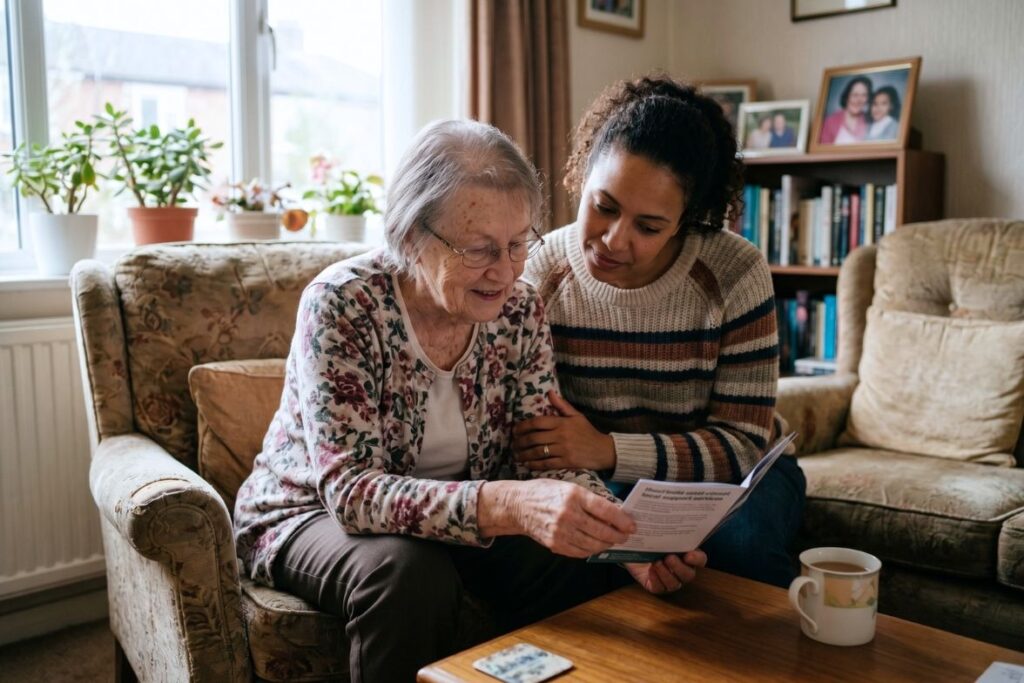
Growing older is a natural process that brings both wisdom and change. As our loved ones age, their needs naturally evolve over time. Navigating this journey can feel overwhelming if you do not have a clear map to guide your decisions.
Understanding the different stages of care helps families make proactive choices rather than reactive ones. This roadmap outlines the typical phases of senior care to help you support your family members with confidence and dignity.
Stage One: Independent Living and Early Planning
The first stage of the aging journey is often characterized by independence and active living. Seniors in this phase manage their daily routines, maintain their homes, and socialise without much assistance. It is the ideal time to discuss future wishes before any urgent needs arise.
Early planning involves having open conversations about financial arrangements and legal documents like wills or power of attorney. Families should also evaluate the home environment for minor safety updates, such as installing brighter lighting or removing trip hazards. Preparing during this calm period ensures everyone is on the same page for the years ahead.
Stage Two: Subtle Shifts and Intermittent Assistance
Over time, you might notice small signs that your loved one is slowing down. They might start forgetting to pay bills, struggling with heavy yard work, or neglecting household cleaning. These subtle shifts indicate that a little extra support could improve their quality of life.
At this juncture, family members often step in to help with groceries, transportation, or basic home maintenance. It is important to balance this assistance with respect for the senior’s autonomy. Helping them maintain their routine keeps them engaged while ensuring they stay safe and healthy.
Stage Three: Introducing Home Care Services
When daily tasks like cooking, bathing, or managing medication become too difficult to handle alone, professional support becomes necessary. This is the stage where many families choose to bring expert care directly into the residence. Utilizing professional home care services allows seniors to remain in familiar surroundings while receiving tailored assistance.
These services can range from a few hours a week to daily visits, depending on individual needs. Professional caregivers help with personal hygiene, meal preparation, and companionship, which significantly reduces the risk of isolation. This support also gives family caregivers a much-needed break to recharge and focus on their own well-being.
Stage Four: Specialized Support and Assisted Living
Sometimes, managing a household becomes too burdensome even with outside help, or health conditions require more consistent supervision. Assisted living communities offer a wonderful middle ground for seniors who need daily help but still want social engagement. These environments provide private apartments alongside communal dining, social activities, and round-the-clock staff availability.
If a loved one develops progressive memory challenges like dementia, a specialized memory care unit may be required instead. These secure environments are designed to reduce confusion, prevent wandering, and provide specialized cognitive activities. Choosing this level of care ensures that your loved one has a structured, safe environment tailored to their specific health profile.
Stage Five: Skilled Nursing and Continuous Medical Care
When a senior develops complex medical needs or chronic illnesses, their care requires professional medical intervention. Skilled nursing facilities, often called nursing homes, provide twenty-four-hour clinical supervision from licensed nurses and physicians. This stage focuses heavily on medical management, physical therapy, and intensive daily support.
Seniors in this phase may be recovering from a severe stroke, managing advanced Parkinson’s disease, or dealing with limited mobility. The staff handles everything from wound care to mechanical transfers, ensuring comfort and safety around the clock. While this transition can be emotionally difficult for families, it provides the highest level of physical security available.
Stage Six: Compassionate End-of-Life Care
The final stage of the aging journey focuses entirely on comfort, dignity, and quality of life when medical treatments are no longer effective. This compassionate approach addresses physical pain, emotional distress, and spiritual needs for both the individual and their family. Selecting hospice care at home allows individuals to spend their final days peacefully in a comfortable, familiar environment surrounded by the people they love.
A dedicated team of doctors, nurses, counselors, and volunteers works together to manage symptoms and provide emotional backing. The goal is not to shorten or prolong life, but to ensure that every remaining moment is as peaceful and pain-free as possible. This phase provides immense comfort, helping families focus on meaningful connections and saying goodbye with grace.
Tips for Discussing Care Transitions
Initiating conversations about shifting care levels can be emotionally charged and challenging. Start these discussions early and approach them as a collaborative partnership rather than a series of demands. Listen closely to your loved one’s fears, preferences, and desires regarding their future living arrangements.
Use concrete observations rather than vague statements when explaining why extra help might be beneficial. For example, mention specific instances of missed medications or difficulty climbing stairs to keep the conversation grounded in reality. Patience is essential, as it often takes multiple small conversations for everyone to accept a change in lifestyle.
Financial Considerations and Resources
Every stage of care comes with financial implications that families must carefully navigate. Researching options like long-term care insurance, veterans’ benefits, and government assistance programs early can expand your available choices. It is beneficial to consult with a financial planner who specializes in elder care to map out sustainable funding options.
Do not overlook local non-profit organizations and area agencies on aging for free guidance and support groups. These community resources often provide excellent recommendations for reputable care agencies and senior communities in your area. Being financially informed empowers you to make decisions based on quality rather than purely on cost constraints.
Embracing the Journey Together
Navigating the aging roadmap is rarely a straight line, as health needs can change unexpectedly due to sudden illnesses or injuries. Flexibility, open communication, and proactive research are your best tools for handling these transitions smoothly. Remember that seeking professional help is a sign of strength and love, not a failure of family duty.
By understanding the different stages of care, you can ensure your loved one feels supported at every turn. This thoughtful approach preserves their dignity, enhances their daily safety, and brings peace of mind to the entire family. Approach each step with empathy, and view the journey as a meaningful opportunity to care for those who once cared for you.
Other Articles You May Find of Interest...
- Seven Benefits Of SpecializedIn-Home Care For Changing Needs
- How Nature Can Support a Healthier Retirement Lifestyle
- Balancing Independence and Safety as Care Needs Change
- Moving to an Independent Senior Apartment: What Active Adults Can Expect
- Seen and Unheard; Elder Abuse
- Coping With Cancer In Older Adults
- The Number Families Should Ask About Before Touring a Nursing Home for a Parent





