More Senior Health Articles
How to Manage Balance Issues and Reduce Fall Risks in Older Adults
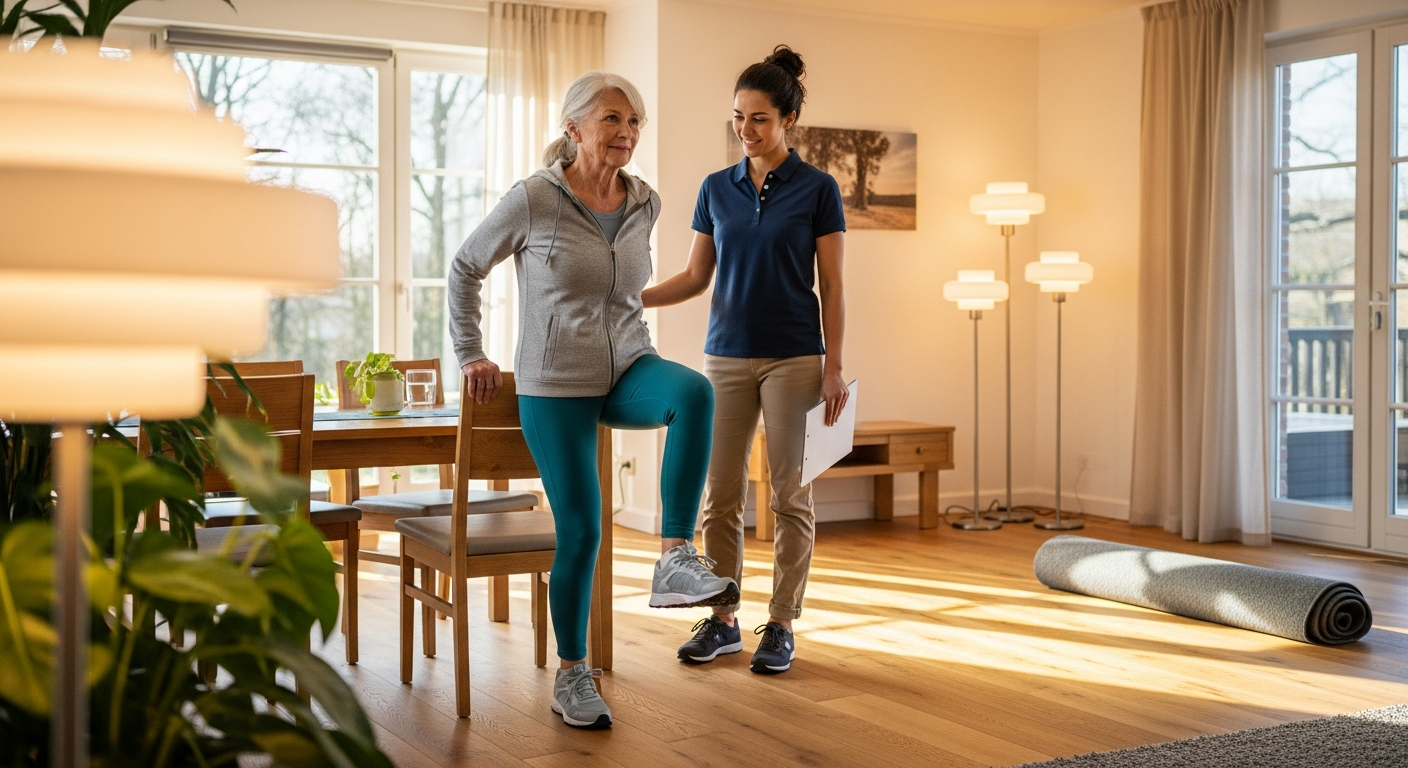
Image generated by Gemini
Falls can reshape your confidence, mobility, and independence practically overnight. Each year, more than 1 in 4 Americans aged 65 and older fall, resulting in roughly 3 million emergency department visits. And while people tend to blame balance alone, environmental factors like poor lighting, clutter, and unsafe floors play an equally large role in these accidents.
Here’s what’s encouraging: you can manage balance issues and cut fall risks by making proactive changes to both your body and your living space. Many falls and trips that require emergency care happen at home, which means familiar surroundings often hide the biggest dangers (think of that bathroom rug you step on every morning without a second thought). This guide walks you through building lower-body strength, eliminating common home fall hazards, and developing safer daily habits to protect your long-term independence.
Why Balance Problems and Fall Risks Increase With Age
Common Physical Changes That Affect Stability
As you get older, natural physical changes chip away at your ability to stay steady on your feet. Lower-body weakness, stiffer joints, and slower reflexes all make it harder to recover from even a simple stumble, like catching your toe on the edge of a carpet. Medical data show that older adults who’ve experienced one fall are more likely to fall again, making early prevention all the more critical.
Internal health factors also play a big part. Inner ear changes can trigger vertigo, while medication side effects from sedatives or blood pressure drugs can cause sudden dizziness. On top of that, age-related vision changes can distort depth perception, making stairs and uneven surfaces trickier to navigate safely. Sound familiar? You’re definitely not alone.
Why Fear of Falling Can Make the Risk Worse
After a fall, many older adults start limiting their daily activities because they’re afraid of getting hurt again. The irony is that fear of falling often decreases physical activity, which weakens muscles and worsens balance over time. You simply can’t maintain stability if you stop moving; the body responds to inactivity by becoming less capable, not more cautious.
Confidence is a real, measurable part of physical safety and independence. Recent studies show that an older adult’s perceived control over their environment directly affects their actual fall risk. Rebuilding that confidence takes a mix of consistent physical movement and targeted safety updates around the home, which is exactly what the rest of this guide covers.
Step 1: Build Lower-Body Strength to Improve Balance
Targeted lower-body strengthening exercises help you react faster and stay upright during everyday movements. Experts agree that building core and lower-body strength is the single most effective way to prevent falls, improve stability, and protect your joints over time.
Safety Rule: For all of the following exercises, stand near a stable surface—like a heavy kitchen counter or a sturdy chair—for support, and stop immediately if you feel pain or dizziness.
Here are five exercises worth building into your weekly routine:
- Sit-to-Stands: Sit in a sturdy chair and stand up slowly without using your hands, then lower back down. This builds the thigh and glute strength you rely on for getting off toilets, couches, and low car seats. Aim for 8 to 10 repetitions.
- Heel Raises: Lift your heels so you’re standing on your tiptoes, then lower them. This strengthens your calves and helps prevent tripping. Try to complete 10 repetitions.
- Marching in Place: Slowly lift your knees as high as comfortable, alternating legs. This improves hip flexor strength and stepping clearance. March for 20 to 30 seconds.
- Side Leg Lifts: Slowly lift one leg out to the side, keeping your back straight, then return. This targets the hip abductors, the muscles that stabilize your pelvis when you walk. Do 8 lifts per leg.
- Mini Squats: Keep your feet shoulder-width apart and bend your knees as if sitting in a high chair. This trains your entire lower body to catch your weight during a stumble. Perform 8 to 10 bends safely.
When to Ask a Physical Therapist for Help
You should contact a professional if you often feel unsteady, use furniture to navigate rooms, or find yourself avoiding walks out of fear. Many Medicare plans already cover annual wellness visits that include fall-risk assessments. Getting professional help early through a physician’s referral can head off more serious injuries down the road.
Working with a physical therapist also pays off over the longer term. Healthcare data suggests that beneficiaries who receive physical therapy after a fall are 50% less likely to visit the emergency room for a follow-up injury. That’s a significant reduction in both risk and cost. Before starting a new exercise program, consult a physical therapist or healthcare professional for personalized guidance.
Step 2: Remove Home Hazards Before They Cause a Fall
Floors, Rugs, Clutter, and Cords
Your living environment needs just as much attention as your physical strength. Industry data indicates that floors and flooring materials directly contribute to millions of fall injuries each year. To protect yourself, remove loose throw rugs entirely or secure them firmly with double-sided rug tape or non-slip backing.
You should also clear pathways of clutter, shoes, and pet toys. Keep electrical cords pinned against baseboards and well away from walking areas. Keeping your home’s walkways open and unobstructed is one of the simplest steps you can take.
Spill Cleanup and Moisture Control
Moisture is a hidden danger that demands immediate attention in kitchens, bathrooms, and entryways. Clean up liquid spills right away, and dry bathroom floors promptly after showering. It’s also smart to check refrigerators, sinks, and dishwashers regularly for slow leaks that create unexpected slick spots; a tiny drip under the fridge can turn into a fall hazard faster than you’d expect.
Ultimately, moisture is a leading cause of domestic slips, making the bathroom and kitchen the highest-risk zones in the house. Wet floors account for 55% of all slip and fall incidents, which is a good reminder that not every fall comes down to aging or poor balance.
Comparing Common Home Fall Hazards
Preventing falls at home starts with knowing exactly which risks to tackle first. Use this quick reference to prioritize your safety updates:
| Hazard | Why It Raises Fall Risk | Best Fix |
| Loose rugs | Can bunch, slide, or catch toes | Remove entirely or secure with non-slip backing |
| Wet floors | Reduce traction, dramatically increase slipping | Clean up spills and dry bathroom floors immediately |
| Poor lighting | Makes architectural edges and depth changes hard to see | Add high-lumen, warm-toned bulbs and motion lights |
| Cluttered walkways | Creates unexpected trip points in high-traffic paths | Keep paths wide, clear, and free of shoes/pet toys |
| Stairs without support | Causes instability during level transitions | Install sturdy handrails on both sides if possible |
Step 3: Improve Lighting to Support Safer Movement
Why Better Lighting Helps With Depth Perception
Aging eyes need more light to process depth, edges, and sudden obstacles. Dark shadows can hide steps, cords, and transition areas between carpet and hard floors. Occupational therapists recommend motion-activated lighting as a highly effective, low-cost way to reduce injury risk and support independence, and it’s one of the easiest upgrades you can make in a single afternoon.
Good lighting for fall prevention also improves your ability to judge distances, especially during late-night bathroom trips (which, let’s be honest, become more frequent with age). Brighter environments help your brain interpret spatial cues more accurately, reducing the risk of missteps. On the practical side, high-lumen, warm-toned bulbs can enhance safety without disrupting sleep patterns, so you don’t have to choose between seeing clearly and sleeping well.
Where to Add Light First
Focus your lighting upgrades on high-traffic transition areas like hallways, bathrooms, and the direct path from the bedroom to the bathroom. Install night-lights or low-glare LED strips along baseboards to guide your feet in the dark.
Step 4: Make Daily Habits Safer and More Consistent
Footwear, Vision Checks, and Medication Reviews
Wear supportive, non-slip shoes both inside and outside the house to maintain traction on every surface. Avoid backless slippers or slick cotton socks on hard floors; they might feel comfortable, but they’re a fall waiting to happen. Also, clinical research shows that minimizing high-risk medications is highly effective in improving patient safety and outcomes, so ask your doctor to review your prescriptions for any side effects such as dizziness or drowsiness. Keep your eyeglass prescriptions up to date, too, since wearing the wrong lenses can distort the ground beneath you.Â
Use Support Tools Early, Not Late
Adopting canes, walkers, or grab bars is a smart safety strategy, not a surrender of independence (think of it like wearing a seatbelt; nobody questions whether it’s worth it). Install grab bars inside showers and near toilets, and make sure handrails run the entire length of your stairs. Using assistive technology and home modifications can help older adults continue living comfortably at home for years longer than they might otherwise.
Community Programs and New Tools Can Add Another Layer of Protection
Fall Prevention Classes and Physical Therapy Programs
Local workshops can provide education and physical conditioning tailored specifically for seniors. For example, CDC-endorsed community fall-prevention workshops like Stepping On can reduce falls by 31%. These classes typically focus on practical balance techniques and medication awareness, helping participants stay active, engaged, and socially connected, which matters more than most people think when it comes to overall health.
Helpful Technology for Aging in Place
Modern technology offers additional monitoring options to help keep people safe while living alone. Wearable fall-detection devices, balance sensors, and emergency response systems (think of products like the Apple Watch’s fall detection or medical-alert pendants) can quickly notify loved ones if an accident occurs. These innovations are becoming essential tools for independent living, especially as public health data shows a steady, decade-long increase in fall-related injuries nationwide.
Staying Independent Starts With Small Safety Steps
So far, you’ve covered exercise, home hazards, lighting, daily habits, and support tools. Preventing dangerous accidents takes a thoughtful combination of all five. Even minor updates, like securing a loose rug or drying a wet floor immediately after a spill, can meaningfully lower your daily risk.
Early intervention helps keep you on your feet and moving with confidence. If you experience persistent dizziness or have fallen recently, make a point to talk with your healthcare provider for personalized advice sooner rather than later.
Key Takeaways
- Falls are common in older adults, but many can be prevented with simple daily changes to your routine and home environment.
- Lower-body strengthening, even basic exercises like sit-to-stands and heel raises, helps you react faster and stay steady during everyday movement.
- Home hazards like loose rugs, clutter, and wet floors can be just as dangerous as poor balance itself.
- Better lighting improves depth perception and makes nighttime walking significantly safer.
- If you feel unsteady, have fallen before, or notice new dizziness, talk with a healthcare professional promptly rather than waiting.
FAQs
Are there specific footwear features I should look for?
Look for shoes with firm soles, low heels, and non-skid rubber tread. Avoid thick, cushioned athletic soles that reduce your ability to “feel” the ground, as well as flip-flops or loose slippers.
How do I talk to an aging parent about fall risks without upsetting them?
Frame the conversation around preserving their independence and freedom rather than focusing on frailty. Focus on collaborative home updates (such as better lighting) rather than on pointing out physical limitations.
Does insurance cover home safety modifications, such as grab bars?
While traditional Medicare generally does not cover home modifications, many Medicare Advantage plans, long-term care insurance policies, and local non-profit aging agencies offer assistance or coverage for safety installations.
Other Articles You May Find of Interest...
- Seven Benefits Of SpecializedIn-Home Care For Changing Needs
- How Nature Can Support a Healthier Retirement Lifestyle
- Balancing Independence and Safety as Care Needs Change
- Moving to an Independent Senior Apartment: What Active Adults Can Expect
- Seen and Unheard; Elder Abuse
- Coping With Cancer In Older Adults
- The Number Families Should Ask About Before Touring a Nursing Home for a Parent