





More Kratom Education Articles
Kratom Strains for Energy and Pain: What Consumers Should Know in 2026
Disclosure: This article was submitted by a third-party contributor and is published by Your Health Magazine for informational purposes. Your Health Magazine has not independently tested, reviewed, or verified product performance claims, user experiences, vendor statements, or manufacturer statements and is not affiliated with the brands mentioned. Product links in this article should be considered sponsored.
Kratom is a botanical product made from the leaves of Mitragyna speciosa, a tree native to Southeast Asia. It is widely discussed online by consumers who are interested in energy, relaxation, mood, and discomfort support, but it is also controversial and is not approved by the U.S. Food and Drug Administration for any medical use.
This consumer guide discusses common kratom vein types, strain terminology, product formats, vendor transparency, and several brands that appear frequently in public discussions. It is intended for general education only and should not be used as medical advice, a treatment recommendation, or a substitute for guidance from a qualified healthcare professional.
Important safety note: Kratom may cause side effects, dependence, withdrawal symptoms, drug interactions, and legal concerns. People who are pregnant or nursing, under 18, taking medications, using alcohol or sedatives, managing a substance use disorder, or dealing with any medical condition should avoid use unless advised otherwise by a qualified healthcare professional. Kratom laws vary by state and locality.
Kratom Strains For Energy and Pain: Consumer Guide & Brand Comparison
Consumers often describe kratom strains by vein color, such as red, green, white, yellow, or gold, and by regional names such as Bali, Borneo, Thai, Malay, or Maeng Da. These labels are commonly used in marketing, but actual effects can vary based on the plant material, alkaloid profile, product strength, batch quality, personal sensitivity, and other factors.
For anyone comparing kratom products, the most important considerations are legality, safety, lab testing, clear labeling, vendor transparency, and realistic expectations. Kratom should not be treated as a proven medical treatment for pain, anxiety, depression, sleep problems, opioid withdrawal, or any other health condition.
Key Consumer Takeaways
- Kratom is not FDA-approved for any medical use.
- Red, green, white, yellow, and gold vein labels are common marketing categories, but effects are not guaranteed.
- Consumers should look for current third-party lab reports covering alkaloid levels, heavy metals, and microbial contaminants.
- Products sold through gas stations, smoke shops, or vendors without batch-specific COAs may carry additional risk.
- Mixing kratom with alcohol, sedatives, opioids, benzodiazepines, sleep medications, or other substances can increase safety risks.
- Kratom may be illegal or restricted in some states, counties, or cities.
Kratom Brands and Products Consumers May Compare
The following sections summarize publicly available product information and common consumer considerations. Inclusion does not mean Your Health Magazine recommends, endorses, or independently verifies any brand or product.
Happy Go Leafy Trainwreck Kratom
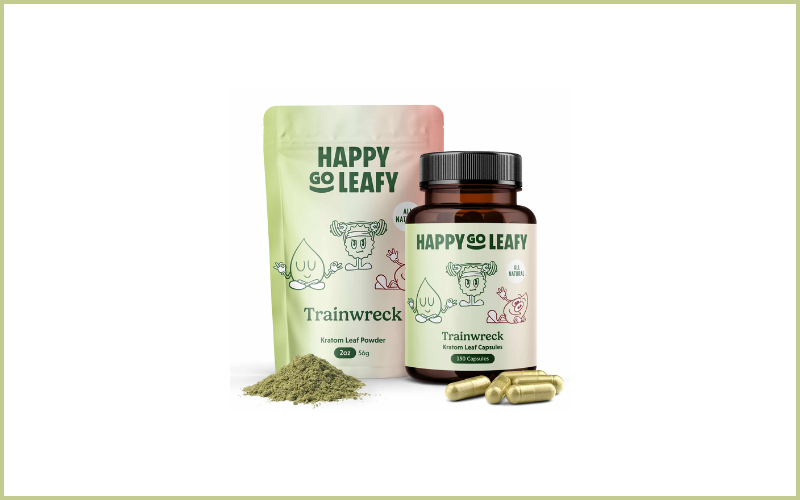
Happy Go Leafy’s Trainwreck product is marketed as a multi-strain kratom blend rather than a single-strain powder or capsule. Trainwreck blends are commonly promoted as combining several kratom varieties into one product, which may appeal to consumers comparing broader alkaloid profiles and blended formats.
The brand also lists other products across powder, capsule, and liquid-shot formats, including green, red, white, yellow, and specialty strains. Consumers considering this type of product should review the current label, serving instructions, lab reports, ingredient disclosures, shipping restrictions, and return policy before buying.
Product details to review:
- Multi-strain Trainwreck blend format
- Powder, capsule, and liquid-shot options may be available
- Published lab-testing claims should be verified by checking current COAs
- Shipping may be restricted in states or localities where kratom is banned
- Return policies and support terms should be reviewed before purchase
Consumer caution: Blended products may be harder to evaluate than single-strain products because the exact strain mix and alkaloid profile can vary. Consumers should not assume that a blend is safer or more effective simply because it contains multiple strains.
Super Speciosa Red Maeng Da
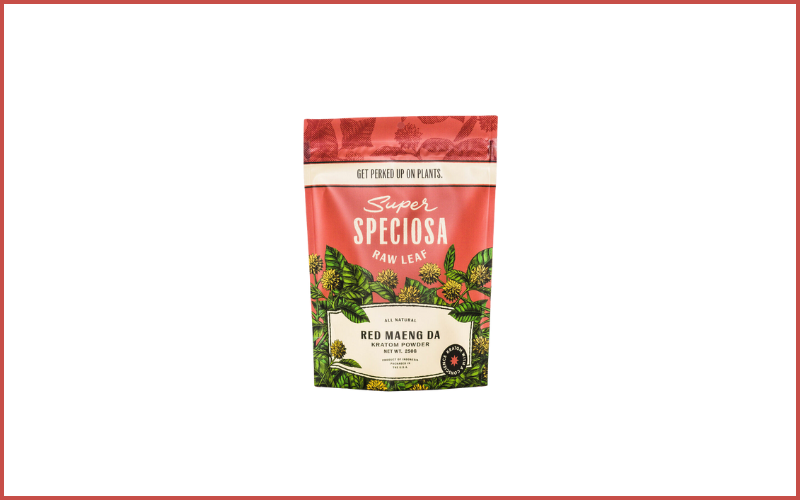
Super Speciosa Red Maeng Da is marketed as a red vein kratom product. Red vein kratom products are often discussed by consumers in connection with evening use, relaxation, and discomfort support, although individual response varies and kratom is not approved to treat pain or any other medical condition.
Super Speciosa also offers other vein types and formats, including powders, capsules, tablets, and extracts. Consumers should review whether a specific package includes a QR code or batch-specific lab report and should compare alkaloid content, contaminant testing, and product strength before purchase.
Product details to review:
- Red Maeng Da and other red, green, and white vein options
- Powder, capsule, tablet, and extract formats may be available
- QR-code or batch-specific lab report access should be verified
- Reward programs or samples may be offered by the vendor
- Consumers should be especially cautious with extracts or higher-strength products
Consumer caution: Red vein products and extracts may feel stronger or more sedating for some users. They should not be combined with alcohol, sedatives, opioids, benzodiazepines, or other substances that can increase impairment or respiratory risk.
Kona Kratom Red Bali
Kona Kratom Red Bali is marketed as a red vein kratom product. Red Bali is one of the most widely discussed red vein strain names and is commonly associated in consumer forums with relaxation-oriented use. These consumer reports should not be interpreted as evidence that the product treats sleep problems, pain, or any other condition.
Kona Kratom lists a broad range of strain names and formats, including red, green, and white vein products. Consumers comparing this brand should review product freshness claims, published lab information, traceability details, pricing, and any guarantee terms.
Product details to review:
- Red Bali and other red, green, and white vein products
- Powder and capsule formats may be available
- Freshness and traceability claims should be checked against current vendor disclosures
- Guarantee terms may vary and should be reviewed before purchase
- Premium pricing may apply compared with some vendors
Consumer caution: Marketing terms such as “Bali,” “Borneo,” or “Maeng Da” do not guarantee a specific effect. Batch testing and transparent labeling are more important than strain name alone.
Kingdom Kratom White Borneo
Kingdom Kratom White Borneo is marketed as a white vein kratom product. White vein products are commonly discussed by consumers in connection with alertness or daytime use, but they may feel too stimulating for some people and may increase discomfort, nervousness, or sleep disruption in sensitive users.
The brand lists several product types, including powders, capsules, specialty strains, and liquid formats. Consumers should check third-party lab reports, serving information, alkaloid content, and legal shipping restrictions before making a purchase.
Product details to review:
- White Borneo and other red, green, yellow, and gold vein options
- Powder, capsule, and liquid formats may be available
- Third-party lab testing should be verified through current COAs
- White vein products may not be appropriate for evening use or stimulant-sensitive consumers
- Specialty and fermented strains may differ from standard product formats
Consumer caution: Anyone prone to anxiety, palpitations, insomnia, or stimulant sensitivity should be cautious with products marketed as energizing or fast-acting.
Golden Monk Green Maeng Da
Golden Monk Green Maeng Da is marketed as a green vein kratom product. Green vein products are often described by consumers as falling between red and white vein categories, with a more balanced profile. However, consumer experiences vary, and no strain name can guarantee a predictable response.
The brand lists core kratom strains in powder and capsule formats, and bulk options may be available. Consumers comparing Golden Monk should review the current COA, mitragynine content, microbial testing, heavy metal testing, product format, and serving information.
Product details to review:
- Green Maeng Da and other classic red, green, and white vein products
- Powder and capsule formats may be available
- Bulk pricing may appeal to frequent buyers
- Batch-specific testing information should be reviewed before purchase
- Consumers should confirm state and local legality before ordering
Consumer caution: Bulk purchases may not be appropriate for new consumers who have not yet determined how they respond to a product. New users should prioritize safety, legality, and professional guidance over cost per gram.
What Are Kratom Strains?
Kratom strain names are commonly used by vendors to describe vein color, region, drying method, or blend type. The most common categories are red, green, white, yellow, and gold vein kratom. Regional labels such as Bali, Borneo, Thai, Malay, and Maeng Da are also common.
These labels can be helpful for comparison, but they are not standardized like prescription medication labels. Two products with the same strain name can differ in alkaloid content, strength, contaminants, freshness, and consumer response. This is why lab testing and transparent labeling matter more than marketing names.
Red Vein Kratom
Red vein kratom is commonly marketed for relaxation-oriented use. Consumers often discuss red strains in connection with evening routines and discomfort support. However, kratom is not approved to treat pain, sleep problems, anxiety, or any other medical condition.
Green Vein Kratom
Green vein kratom is commonly described as a middle-ground category between red and white vein products. Some consumers report using green strains during the day, but effects vary and may depend more on batch strength and personal sensitivity than strain name alone.
White Vein Kratom
White vein kratom is commonly marketed as more energizing or stimulating. Consumers who are sensitive to stimulants, anxiety, palpitations, or sleep disruption should be cautious with products described this way.
Yellow and Gold Kratom
Yellow and gold kratom are specialty categories often associated with drying or fermentation differences. Because these terms are not standardized across the industry, consumers should rely on lab reports and product disclosures rather than assuming a specific effect.
What to Review Before Buying Kratom
Lab Testing
Consumers should look for a current, batch-specific certificate of analysis from an independent lab. A useful report should identify mitragynine content, 7-hydroxymitragynine content, heavy metals such as lead, mercury, arsenic, and cadmium, and microbial contaminants such as E. coli, Salmonella, mold, and yeast.
Vendor Transparency
Reputable vendors should clearly disclose product format, serving information, strain or blend description, batch details, testing information, shipping restrictions, and return policies. Vague claims or missing COAs are reasons to be cautious.
Legal Status
Kratom is not banned at the federal level in the United States, but several states, counties, and cities restrict or prohibit it. Laws can change, so consumers should check current state and local rules before ordering, possessing, or traveling with kratom.
Product Format
Kratom is sold as powder, capsules, tea products, tablets, extracts, and liquid shots. Extracts and liquid shots may be more concentrated than plain leaf products and may carry greater risk for side effects, overuse, tolerance, or dependence.
Health History and Medications
Kratom can interact with medications and may be risky for people with certain health histories. Anyone taking prescription medications or managing a medical condition should speak with a qualified healthcare professional before considering kratom.
Potential Risks and Side Effects of Kratom
Kratom can cause side effects. Reported effects include nausea, constipation, dry mouth, dizziness, drowsiness, sweating, itching, increased urination, changes in heart rate, sleep problems, anxiety, irritability, and impaired coordination. Higher-strength products and extracts may increase risk.
Kratom may also lead to tolerance, dependence, and withdrawal symptoms with regular use. People should not mix kratom with alcohol, sedatives, opioids, benzodiazepines, sleep medications, or other substances that affect the central nervous system. Anyone experiencing severe side effects should seek medical help promptly.
Different Ways Kratom Is Sold
Kratom Powder
Kratom powder is one of the most common formats. It may be mixed into beverages or prepared as tea. Consumers should review serving information carefully and avoid assuming all powders have the same strength.
Kratom Capsules
Capsules may be easier to measure than loose powder, but the amount of kratom per capsule varies by brand. Consumers should check the label and COA rather than relying on capsule count alone.
Kratom Tea
Kratom tea products are marketed as a traditional-style format. Strength can vary depending on preparation method, product type, and serving size.
Kratom Extracts
Kratom extracts are concentrated products sold as liquids, shots, tablets, softgels, or enhanced powders. Because extracts may be much stronger than plain leaf products, they require particular caution. New users should avoid concentrated products, and all consumers should review 7-hydroxymitragynine content and other lab results before considering an extract.
Questions to Ask Before Choosing a Kratom Product
- Is kratom legal in my state, county, and city?
- Does the vendor provide a current, batch-specific third-party COA?
- Does the COA include alkaloids, heavy metals, and microbial testing?
- Is the product plain leaf, a blend, or a concentrated extract?
- Does the label clearly explain serving size and ingredients?
- Could this product interact with my medications, alcohol use, or health conditions?
- Does the vendor make disease-treatment, pain-cure, opioid-withdrawal, or exaggerated claims?
- Is the product stored securely away from children, pets, and anyone who could accidentally consume it?
Frequently Asked Questions About Kratom Strains
Is kratom legal?
Kratom is not banned at the federal level in the U.S., but several states and local jurisdictions restrict or ban it. Consumers should check current state and local laws before purchasing, possessing, or traveling with kratom.
Is kratom approved for pain?
No. Kratom is not FDA-approved to treat pain or any other medical condition. People with ongoing pain should consult a healthcare provider for diagnosis and evidence-based treatment options.
Which kratom strain is strongest?
Strength cannot be reliably determined by strain name alone. Alkaloid content, product format, extract concentration, batch quality, and individual sensitivity all matter. Consumers should check batch-specific lab reports rather than relying on marketing terms such as “strongest” or “premium.”
Can you mix kratom strains?
Some consumers mix strains, but combining products may make effects less predictable and may increase the risk of side effects or overuse. New users should avoid mixing products, especially extracts or high-strength formulas.
How long does kratom last?
Reported duration varies depending on product type, serving size, metabolism, food intake, and tolerance. Consumers should not drive, operate machinery, or perform safety-sensitive tasks if they feel impaired.
Can kratom cause dependence?
Yes. Regular kratom use may lead to tolerance, dependence, and withdrawal symptoms. Anyone concerned about kratom use, withdrawal, or substance dependence should seek medical guidance.
Final Thoughts on Kratom Strains For Energy and Pain
Kratom strain names can help consumers organize product options, but they should not be treated as medical guidance or guaranteed effect categories. For anyone comparing products such as Happy Go Leafy Trainwreck, Super Speciosa Red Maeng Da, Kona Kratom Red Bali, Kingdom Kratom White Borneo, or Golden Monk Green Maeng Da, the safer approach is to review legality, lab testing, serving information, vendor transparency, and personal health factors first.
Kratom is not approved to treat pain, fatigue, sleep issues, anxiety, opioid withdrawal, or any other medical condition. It may carry meaningful risks, especially when combined with medications, alcohol, sedatives, or other substances. Consumers should approach kratom cautiously and consult a healthcare professional when health questions are involved.
Other Articles You May Find of Interest...
- How HPLC Testing Verifies Botanical Potency—and Why Lab Results Can Differ
- Red Bali Kratom: What It Is, How It Differs, and What the Research Says
- Kratom Legality in 2026: Why the Rules Vary by Location
- 7 Things to Know About Split Kilo Kratom Before a Bulk Order
- Red Thai Kratom: The Strain With a Complicated History and a Loyal Following
- Red Sumatra Kratom: What Makes This Strain Stand Apart
- Red Indo Kratom: The Strain That Built the Modern Kratom Market





