






More Prosthetics Articles
Navigating the Complexities of Lefort III Fractures and Their Impact on Facial Reconstruction
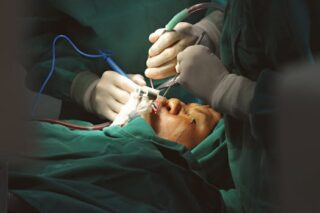
Understanding the implications of a Lefort III fracture is crucial for anyone navigating facial traumas. This type of fracture involves the separation of the entire midface, affecting bone structures such as the maxillary arches and leading to complex challenges in facial reconstruction. Addressing these fractures requires a multi-disciplinary approach involving maxillofacial surgeons, radiologists, and rehabilitation specialists. The associated impacts go beyond physical deformity, potentially affecting facial function and even psychological health.
Understanding Lefort III Fractures
The Lefort III fracture is a severe type of craniofacial disjunction whereby the facial skeleton separates from the base of the skull. It typically results from high-impact trauma, such as motor vehicle accidents or falls from significant heights. The fracture line extends through the orbits and nasal bridges, leading to significant facial swelling, bruising, and mobility in sections of the face.
Diagnosing a Lefort III fracture requires detailed imaging studies. CT scans are generally the preferred method because they offer a comprehensive view of the fracture lines and aid in surgical planning. While this injury is less common than other facial fractures, it demands prompt attention and a considered approach to treatment.
Implications for Facial Reconstruction
Facial reconstruction following a Lefort III fracture is particularly challenging. The primary aim is to restore both function and aesthetic appearance. Surgeons often use a combination of bone grafts, metal plates, and screws to realign and stabilize facial bones. This painstaking process requires considerable skill and precision.
A successful outcome depends not only on surgical expertise but also on postoperative care. Rehabilitation includes therapies aimed at restoring jaw function and addressing any sensory deficits. This reconstruction process is critical to improving the patient’s quality of life and may involve multiple surgeries over time.
Potential Complications
Despite advances in surgical techniques, complications can arise. Common challenges include infection, improper bone healing, and issues related to the fitting and stability of prosthetic plates. In some cases, the surgeries can affect dental alignment and require subsequent orthodontic treatment.
The psychological impact of living with a facial disfigurement should not be underestimated. Patients may experience anxiety, depression, or social withdrawal, necessitating emotional and psychological support services as part of a comprehensive treatment plan.
Lefort III Fracture and its Broader Impact
The ramifications of a Lefort III fracture extend into various aspects of well-being. For instance, significant trauma can lead to issues in eating and speaking, disrupting everyday life. Investing time in nutrition and following a tailored exercise program can aid recovery and enhance overall health. Exploring resources about weight control and nutrition management can be beneficial.
Long-term Outlook
The long-term outlook for people who have suffered from a Lefort III fracture is generally positive with appropriate medical intervention. However, ongoing monitoring and potential adjustments or enhancements to surgical interventions are often necessary. This highlights the importance of continuous collaboration between healthcare providers and patients.
Caring for Mind and Body
In managing Lefort III fractures, holistic care plays a critical role. Integrating physical therapy and psychological support can significantly aid in the patient’s recovery journey. Collaborating with specialists ensures personalized care, which can address both physical and emotional aspects of recovery.
For additional general health information, you can visit resources like the Wikipedia Health Page.
Conclusion
Understanding the challenges associated with a Lefort III fracture is essential for effective treatment and recovery. This comprehensive approach highlights the interconnected impact of such injuries on facial reconstruction, emphasizing the importance of integrated medical care. These injuries remind us of the resilience human beings can show in the face of adversity.
- The Lefort III fracture involves the entire midface and requires specialized treatment.
- Surgical reconstruction aims to restore function and aesthetics.
- Complications can occur, making post-operative care crucial.
- Psychological support and physical rehabilitation are key to recovery.
- Multi-disciplinary care can improve the long-term outcome for patients.
What is a Lefort III fracture?
A Lefort III fracture is a complex craniofacial fracture involving the separation of the midface from the skull base. It requires specialized surgical intervention and rehabilitation.
How is a Lefort III fracture diagnosed?
A Lefort III fracture is typically diagnosed using imaging techniques such as CT scans to gain detailed views of the fracture lines and plan the appropriate surgical treatment.
What are the treatment options for a Lefort III fracture?
Treatment involves surgical reconstruction using plates, screws, and sometimes bone grafts to stabilize the facial skeleton. Subsequent rehabilitation is also vital to address functional impairments.
What complications can arise from a Lefort III fracture?
Potential complications include surgical site infections, improper bone healing, and jaw misalignment. Psychological impacts also need to be managed alongside physical recovery.
How can lifestyle changes aid in recovery from a Lefort III fracture?
Lifestyle changes, such as appropriate nutrition and targeted physical activity, can support recovery. Emotional support and continued medical follow-up are also important aspects of holistic care.
Other Articles You May Find of Interest...
- Exploring the Importance of the Tibial Plafond for Joint Health
- Boost Your Prostate Health Naturally with Prostafense
- Exploring the Importance of the Head of Radius in Joint Health
- Navigating the Complexities of Lefort III Fractures and Their Impact on Facial Reconstruction
- Exploring the Implications and Recovery of Guillotine Amputation
- Essential Guide to Effective Splinting Techniques for Injury Management
- How to Care for Your Wrist Cast and Ensure a Smooth Recovery



