






Your Health Magazine
4201 Northview Drive
Suite #102
Bowie, MD 20716
301-805-6805
More Practice Management Articles
Practice Management Software Market Insights: Driving Efficiency in Healthcare Services
Juggling patient schedules, billing claims, and compliance headaches while trying to focus on care, sounds like chaos. But practice management software turns that chaos into smooth operations.
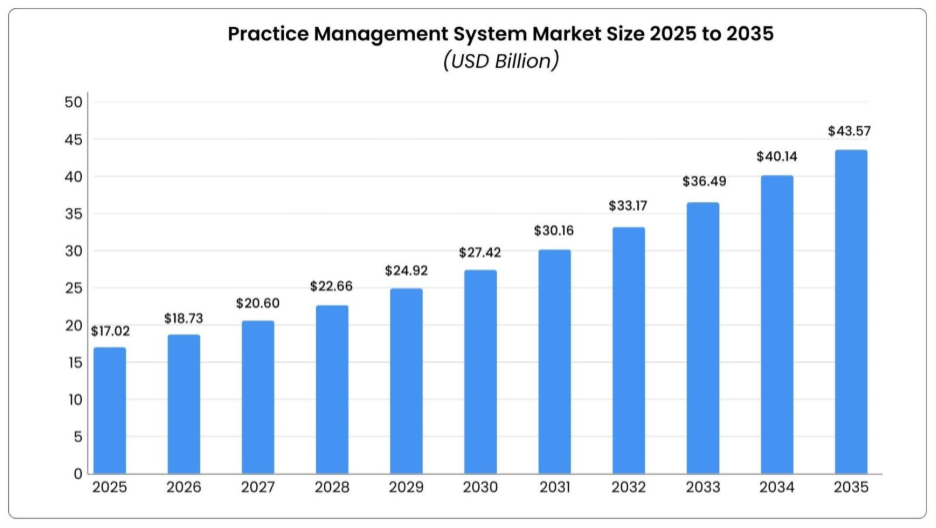
As we hit 2026, the US practice management software market stands at ~$15 billion, projected to surge past ~$25 billion by 2030 with a 10%+ CAGR, fueled by increased digitalization, demand for operational efficiency and cost containment, telehealth and remote care expansion.
Market Overview
Market trends reveal robust momentum in practice management software adoption, as healthcare outfits modernize ops, shift to cloud setups, and lock down tighter reimbursement reins. These platforms pull scheduling, billing, compliance, and financial workflows into one slick, coordinated hub.
Far from basic admin tools, practice management systems serve as your operational command center, slashing inefficiencies, beefing up cash flow, and freeing bandwidth for top-notch patient care in physician groups. The COVID-19 shake-up turbocharged telehealth, spotlighting systems that nail remote coordination without missing a beat.
EHRs are everywhere now, making patient data instantly accessible and powering sharper clinical decisions, pair that with government incentives like MIPS and broader IT adoption, and investments in practice management software are pouring in. Add an aging population and the rise in chronic diseases, and care demands are exploding, pushing these systems into clinics and hospitals everywhere.
Bottom line? Seamless integrations, clever automation, and specialty-tailored features are the rocket fuel speeding physician practice management system adoption
Question
What’s the real size of the practice management software market in 2026?
Unlike generic overviews, fresh 2025-2030 reports peg the global practice management system market at $14.45B in 2024, hitting $25.54B by 2030 at 10.19% CAGR, US leads with ambulatory focus amid MIPS/TEFCA pushes. Cloud adoption hits 70%+ in non-dental spots for scalability.
Practice Management Software Market Growth Drivers
Ever wonder what’s fueling the surge in practice management software? All thanks to the relentless push for smarter, leaner healthcare operations. Let’s unpack the big forces at play in this practice management software market boom.
First off, craving operational efficiency and cost cuts tops the list. Practices are ditching paper chaos for PMS that zip through scheduling, slash wait times, and trim admin overhead—straight-up profitability boosters for stretched-thin physician groups.
Government programs are pouring gas on the fire too, with incentives for digitization like MIPS rewards nudging clinics toward EHR-integrated practice management systems. It’s not just cash bonuses; it’s the smart path to compliance and future-proofing your workflow.
Don’t sleep on the cloud revolution. Shifting to scalable, always-on cloud practice management software means real-time access from anywhere, perfect for multi-site outfits. Automation zaps billing errors and paperwork piles, freeing staff for actual patient time.
Aging boomers and chronic disease spikes crank up the volume too. More geriatric cases mean tracking diabetes or heart issues across visits, and PMS nails that with seamless data handling, essential for chronic care in outpatient spots.
Outpatient and specialty clinics like dental or optical are exploding, demanding user-friendly tools for swelling patient loads. Tailored practice management system in healthcare keeps things humming without overwhelming small teams.
EHR interoperability seals the deal, blending patient data for smoother experiences and fewer duplicates. Throw in automation advancements crunching revenue insights or predicting no-shows, and you’ve got decision-making superpowers driving physician practice management system adoption sky-high.
These drivers aren’t hype, they’re reshaping healthcare market insights, making integrated practice management systems non-negotiable for growth-minded practices.
Core Benefits of Practice Management Software
Why bet on practice management software? It handles most of the admin tasks like scheduling, intake, check-in, insurance verification, billing, and collections seamlessly.
Streamlined Workflows
Automation takes the grunt work off your plate, think instant patient registration, smart scheduling that avoids double-books, and claims processing that flows without manual hiccups. Staff spend less time on repetitive tasks and more on what matters: delivering hands-on care in your practice management system in healthcare.
Revenue Cycle Boost
Practice management software sharpens your financial edge by verifying insurance upfront, scrubbing bills for accuracy, and tracking claims end-to-end. This cuts delays in reimbursements, stabilizes cash flow, and turns revenue cycle management (RCM) into a reliable engine rather than a headache.
The measurable impact is significant. Modern practice management systems can reduce claim errors by up to 20–30% while improving first-pass acceptance rates and accelerating reimbursement timelines.
This happens through:
- Claim scrubbing: Pre-submission checks flag payer mismatches early.
- EHR sync: Automated data pulls reduce manual entry errors.
- Smart coding support: Accurate ICD-10/CPT suggestions to improve clean claims.
- Real-time eligibility verification: Coverage confirmed before the visit.
- Electronic claims submission: Faster digital filing shortens payment cycles.
- Automated AR follow-ups: Reduces days in accounts receivable.
Elevated Patient Experience
Patients love the convenience: online self-scheduling, automated reminders via text or email, and portals for quick updates on visits or payments. Reduced wait times and smoother interactions build loyalty, making your physician practice management system a patient magnet.
Secure Data Hub
Everything lives in one fortified spot - patient records, histories, and notes, all HIPAA-secure and accessible with role-based controls. No more lost files or scattered spreadsheets; it’s centralized peace of mind that keeps compliance tight and audits painless.
Actionable Insights
Real-time dashboards spotlight key metrics like no-show rates, revenue trends, or staff productivity. These data-driven glimpses empower smarter choices, from tweaking schedules to spotting growth opportunities in your practice management software market journey.
Smarter Resource Use
Optimize staff shifts, room assignments, and supplies with intuitive tools that predict busy periods and balance loads. This curbs overtime, eases burnout, and keeps your team sharp — vital for integrated practice management systems in multi-provider setups.
Beyond the four walls of a clinic, healthcare organizations managing home visits, specimen pickups, medical supply runs, or mobile care units face an equally complex coordination challenge. This is where transportation routing software fills the gap — optimizing field-based schedules, balancing driver workloads, and ensuring time-sensitive deliveries reach the right location without delays. Just as practice management software eliminates scheduling chaos inside the clinic, transportation routing tools bring the same operational discipline to everything happening outside it.
Practice management software market growth hinges on these perks: faster reimbursements and reduced errors fuel thriving practices, especially with cloud shifts and interoperability tying it all together.
Specialty Focused Practice Management Software
Tailored practice management systems shine in niches, linking billing automation, scheduling, and insurance eligibility verifications to efficiency.
Let’s break it down by key areas — each one shows how these systems adapt to real-world demands in physician practice management systems.
Dental Practice Management Systems
Running a dental practice means dealing with high patient volumes, intricate procedure coding, and constant reminders for cleanings or follow-ups.
Dental practice management systems step in, integrating imaging tools right into the workflow so you can sync an X-ray image, code it instantly, and bill without flipping between screens.
Solo practices, which often dominate the market, value this because it handles packed schedules effortlessly by automating recalls that bring patients back in, reducing gaps in the calendar, and maintaining a steady flow of high-volume visits.
Optical Practice Management Systems
Vision care practices face a unique mix: exam rooms, frame inventories, and insurance verifications that can snag reimbursements if mishandled.
Optical practice management systems smooth this out by keeping exam room schedules in check, verifying a patient’s vision insurance with one click, then auto-populating exam notes and generating bills.
OB-GYN and Ambulatory Care
For OB-GYN and similar ambulatory setups, care comes in episodes —prenatal visits, deliveries, postpartum follow-ups, that demand precise tracking and compliance reporting.
OB-GYN and Ambulatory practice management systems excel by automating pregnancy timelines, flagging MIPS requirements, and embedding automated communications for those urgent after-hours interactions. No more digging through folders for history; everything’s centralized, making episodic care feel continuous and compliant.
Therapy Practice Management Systems
Mental health and therapy practices grapple with session-based billing, strict HIPAA privacy, and no-shows that kill revenue.
Therapy practice management systems tackle this head-on with CPT code libraries tailored for counseling sessions, smooth multi-session scheduling, and smart reminders that nudge patients via text or portal. It’s not just scheduling; it’s building a system where notes stay encrypted, bills generate instantly, and revenue climbs from consistent attendance.
Integrated Practice Management Systems
Multi-specialty groups need cohesion across departments, and integrated practice management systems deliver with predictive scheduling that anticipates no-shows or surges, plus seamless EHR interoperability.
Imagine cardiology, dermatology, and primary care sharing patient data in real time, no more duplicate tests or siloed records. This setup supports consolidation trends, where larger practices merge for economies of scale.
Practice Management Software Challenges
Key Challenges
- ACA policy shifts
Ongoing regulatory changes require constant system updates and compliance monitoring. - Rising cyber threats
Cyberattacks are increasing ~15% year-over-year, with ransomware incidents hitting healthcare particularly hard. - High implementation costs
- ~$50K for basic deployments
- Up to ~$200K for enterprise rollouts
Smaller practices feel this strain most, weighing upfront costs against long-term ROI. - Legacy data migration risks
Larger organizations often struggle to migrate legacy systems without disrupting clinical workflows or patient care.
Emerging Opportunities
- Automation and data-led operational improvement
Healthcare organizations are increasingly leveraging data analytics and automation to streamline operations and improve performance, signaling a broader industry shift toward intelligent workflow optimization. - Smarter vendor differentiation
Platforms like certify health comes with robust practice management capabilities, like those that unify scheduling, intake, eligibility checks, billing, and reporting, demonstrate how the right PMS can directly strengthen revenue cycle performance. - HIPAA-compliant cloud infrastructure
Modern cloud PMS solutions offer: - Automatic updates
- Encrypted backups
- Built-in compliance safeguards
Turning regulatory and security risks into manageable operational controls
Conclusion
The future of practice management software is increasingly connected and integration-driven. As interoperability standards like FHIR continue to mature, seamless data exchange across healthcare ecosystems will become the norm rather than the exception.
Practices that adopt modern, cloud-based, and integration-ready platforms will be better positioned to streamline operations, strengthen revenue performance, and stay resilient in a rapidly evolving healthcare landscape.
Other Articles You May Find of Interest...
- Automation in Revenue Cycle Management: Impact on Healthcare Financial Performance
- Why Every Clinic Needs a Healthcare App Development Company
- Why Upgrading Your Practice Infrastructure is No Longer Optional in 2026
- AI in Action: Transforming the Future of Healthcare Management
- Automating the Hospital Mailroom for Faster, Safer Healthcare Operations
- Quality Over Quantity: How Better Data Leads to Better Patient Care
- Why Custom Apparel Brands Are Choosing DTF Printing for Better Results



