More Podiatry Foot Care Articles
Managing the Discomfort of Sweaty Hands and Feet
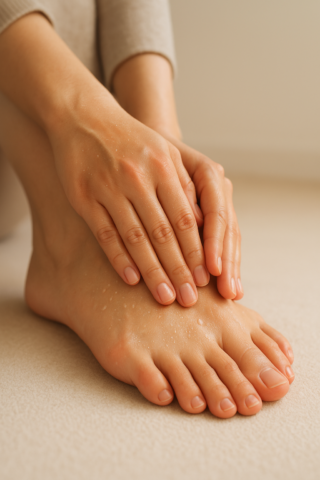
Imagine you are shaking hands at a business meeting or holding a loved one’s hand, and your palms are drenched. Sweaty hands and feet can be more than just an inconvenience; they can affect confidence and daily life. This condition, sometimes called hyperhidrosis, may lead some to avoid social situations or experience discomfort during simple tasks like writing or using electronic devices.
Causes of Sweaty Hands and Feet
The root cause of hyperhidrosis remains elusive for many, but it typically relates to overactivity in the sweat glands. Certain triggers such as stress, anxiety, heat, or exercise can exacerbate the condition. For some, it might be an isolated familial trait, while in others, it could be linked to underlying medical conditions such as diabetes or thyroid issues.
Impact on Daily Life
Excessive sweating in the hands and feet can profoundly impact everyday activities. Tasks like penmanship may become challenging as paper dampens, or slippery hands make it hard to grip objects. Furthermore, the condition can cause discomfort or embarrassment, influencing social interactions and self-esteem.
Managing Sweaty Hands and Feets
While no universal cure exists, there are several strategies people can employ to manage this condition more effectively. Over-the-counter antiperspirants applied to hands and feet can reduce sweat production. Additionally, regular washing and choosing moisture-wicking fabrics can help keep the skin dry.
Clinical Treatments
For those struggling with severe hyperhidrosis, clinical treatments may offer relief. Options like iontophoresis—where hands or feet are submerged in an electrically charged water bath—can be effective. Some individuals may explore prescription medications or consider botulinum toxin injections, which temporarily block sweat gland signals.
Practical Considerations for Medication Use
When considering medication, it is essential to discuss potential side effects and interactions with a healthcare provider. Medications may not suit everyone, and for some, side effects could outweigh benefits. Understanding how symptoms might change with treatment and what to expect can help patients make informed choices.
When to Seek Care
If sweaty hands and feet begin to negatively impact daily life or self-confidence significantly, consulting a healthcare provider is wise. A dermatologist or primary care physician will typically handle initial assessments. They can help determine if the condition is primary hyperhidrosis or linked to another health issue, which might require further exploration.
Proactive Lifestyle Changes
For healthier management of sweat production, lifestyle modifications can play a vital role. Managing stress through techniques like mindfulness or yoga can mitigate sweat triggers. Diet also influences sweat levels; limiting spicy foods or caffeine may reduce episodes. Exercise-related sweat can be addressed with proper hydration and appropriate clothing choices.
Even young individuals facing this problem can find relevant advice in tips for staying active. Explore how you can maintain fitness while managing symptoms by checking these fitness tips for teens.
Exploring Support and Resources
Several online and community resources provide support for individuals with excessive sweating. Information from credible sources like MedlinePlus can offer valuable insights into possible treatments and support networks, helping individuals feel less isolated in their experience.
- Sweaty hands and feet can disrupt daily activities and social interactions.
- Both lifestyle changes and clinical treatments may support symptom management.
- Seeking healthcare guidance can clarify if symptoms are an isolated condition or part of a larger medical issue.
- Understanding treatment options and potential side effects is crucial for informed management.
- Support resources offer community and educational insights for those affected.
Common Questions
What triggers sweaty hands and feet?
Common triggers include stress, warm climates, physical activity, and dietary choices like alcohol or spicy foods. Some people experience symptoms due to genetic factors or underlying health conditions.
When should I consult a doctor?
If sweating significantly interferes with everyday life, causes emotional distress, or suddenly worsens, it is time to seek professional advice. A healthcare provider can help determine the underlying cause and suggest appropriate treatments.
What type of healthcare professional should I see?
A dermatologist primarily manages hyperhidrosis, but a primary care physician may also offer insights, especially if symptoms might relate to a broader medical context.
Are there specific products that can help manage symptoms?
Over-the-counter antiperspirants designed for hyperhidrosis can be effective. These contain higher concentrations of active ingredients to block sweat glands. Your healthcare provider can recommend the best type for your situation.
Can lifestyle changes reduce symptoms?
Yes, lifestyle adjustments can play a significant role. Staying cool, managing stress, and avoiding known dietary triggers can help. Engaging in regular exercise under controlled conditions can also prevent excessive sweat episodes while maintaining fitness.
Other Articles You May Find of Interest...
- Tibialis Anterior Tendon Pain: Causes, Treatment, and Recovery
- What Causes Pain on the Lateral Side of the Foot?
- 8 Ways to Remove Dead Skin From Feet: A Chronic Cracked-Heel Rescue Plan
- Lowering the Risk Of Stress Fractures
- Sharp, Stabbing Big Toe Pain at Night: Common Causes
- Topical, Oral or Laser: Comparing Nail Fungus Treatments in 2026
- A Twisted Ankle or Something More? When an Injury Needs a Closer Look