






District Podiatry, PLLC
1140 Varnum Street NE
Suite #30
Washington, DC 20017
202-388-5303
More Podiatry Foot Care Articles
Diabetes and Foot Care
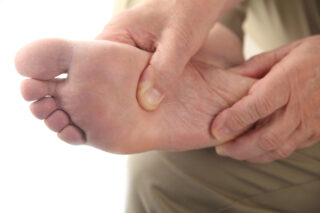
Why Healthy Feet Matter More Than You Think
Diabetes affects millions of Americans and can have serious consequences throughout the body if not carefully managed. One of the most commonly overlooked — yet critically important — areas impacted by diabetes is the feet. Proper foot care is essential for people with diabetes, as nerve damage and poor circulation can turn small problems into serious, even limb-threatening complications.
People with diabetes are at increased risk for peripheral neuropathy, a condition that reduces sensation in the feet. When feeling is diminished, cuts, blisters, pressure points, or ingrown toenails may go unnoticed. At the same time, diabetes can impair blood flow, slowing the body’s ability to heal wounds and fight infection. Together, these factors create the perfect environment for ulcers, infections, and, in severe cases, amputation.
Daily foot care is one of the most effective ways to prevent complications. Individuals with diabetes should inspect their feet every day, checking for redness, swelling, cracks, sores, or changes in skin color or temperature. Even minor issues should be taken seriously. Using a mirror or asking for help can ensure the bottoms of the feet are not overlooked.
Good hygiene is also essential. Feet should be washed daily with lukewarm water and mild soap, then dried thoroughly, especially between the toes. Moisturizing lotion can help prevent dry, cracked skin, but should not be applied between the toes, where excess moisture can lead to fungal infections. Toenails should be trimmed straight across and filed carefully to avoid injury.
Proper footwear plays a significant role in diabetic foot health. Shoes should fit well, provide adequate support, and protect the feet from friction and pressure. Tight shoes, high heels, or footwear with narrow toe boxes can cause blisters or calluses that may worsen over time. Many people with diabetes benefit from professionally fitted shoes or custom orthotics designed to reduce pressure points and improve stability.
Regular medical foot exams are equally important. Healthcare providers can identify early signs of nerve damage, circulation issues, or structural problems that increase the risk of injury. Podiatrists are specially trained to manage diabetic foot concerns, including callus care, nail treatment, and ulcer prevention. Early intervention often prevents more serious outcomes.
Lifestyle choices also influence foot health. Maintaining healthy blood sugar levels helps protect nerves and blood vessels, reducing the risk of complications. Staying physically active, eating a balanced diet, quitting smoking, and managing blood pressure all contribute to better circulation and healing.
Diabetic foot problems are common, but they are not inevitable. With daily attention, proper footwear, routine medical care, and good diabetes management, most serious foot complications can be prevented. Paying close attention to foot health is not just about comfort — it is about preserving mobility, independence, and overall quality of life. If you have diabetes, caring for your feet should be an essential part of your daily health routine.
Other Articles You May Find of Interest...
- Thin Does Not Always Mean Healthy – Especially For Your Feet
- How Arch Support Influences Ground Reaction Forces and Long-Term Foot Health
- Understanding Foot Changes Over Time And How to Adapt Your Footwear
- Corn Callus vs Wart: What’s the Difference and How to Treat Them?
- Effective Solutions for Managing Keratolysis Exfoliativa Symptoms
- April Is Foot Health Month
- Navigating the Complexities of Dens Fractures and Their Impact on Spinal Health


