






More Physical Therapy Articles
The Benefits of Using EDTA Tubes for Blood Testing
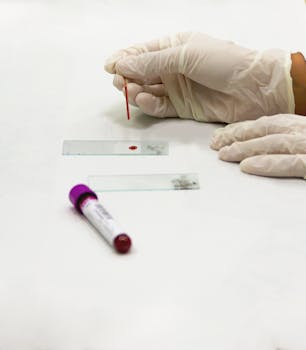
Blood testing is a crucial component of modern medicine, providing essential insights into a patient’s health. One particular tool that has become vital to this process is the EDTA tube. These specialized tubes, used for blood collection, have specific properties that make them indispensable in laboratories around the world. This article delves into the benefits of using EDTA tubes for blood testing, highlighting why they are preferred and how they contribute to accurate results.
Understanding the EDTA Tube
The EDTA tube is designed to preserve and protect blood samples effectively. EDTA, or Ethylenediaminetetraacetic acid, acts as an anticoagulant, which means it prevents the blood from clotting within the tube. This is crucial for several types of blood tests that require whole blood, such as complete blood counts (CBC) and blood smears, ensuring that the sample remains untainted and ready for analysis.
Benefits of Using EDTA Tubes in Blood Testing
EDTA tubes offer numerous advantages in the realm of blood collection and analysis. Here are some key benefits:
- Prevents Clotting: The primary function of EDTA is to inhibit platelet aggregation and calcium-binding in the blood, thereby preventing clotting. This is essential for tests that require plasma or whole blood.
- Preserves Sample Integrity: By preventing clot formation, EDTA tubes ensure that the cellular components of the blood remain intact, allowing for more accurate counts and measurements.
- Universal Usage: EDTA tubes are widely used across various types of blood tests, making them a versatile tool in both clinical and laboratory settings.
- Compatibility with Automated Systems: These tubes are often compatible with automated analysis systems, facilitating efficient processing and minimizing human error.
Understanding how lifestyle choices impact our overall health can further highlight the importance of routine blood tests. To learn more about healthy lifestyle habits, visit our detailed article.
Practical Applications of the EDTA Tube
EDTA tubes are used in various medical tests due to their anticoagulant properties. For example, in hematology, EDTA tubes are almost universally employed because they provide the best preservation of cell morphology. In addition, tests for infectious diseases or blood-borne pathogens often utilize the EDTA tube, as it ensures that even with delays in processing, cell components remain distinguishable.
Choosing the Right Blood Collection Tube
Choosing the correct blood collection tube is essential for accurate and reliable test results. While there are several types of tubes available, such as citrate or heparin tubes, the choice of tube can affect the outcome of specific tests. When EDTA tubes are used inappropriately, or when the sample is not handled correctly, it can lead to inaccurate results.
Final Thoughts on EDTA Tubes
The role of an EDTA tube in the landscape of diagnostic testing cannot be overstated. Its ability to prevent clotting and preserve cell integrity makes it a staple in laboratories worldwide. As medical technology evolves, the EDTA tube remains a constant, providing the reliability needed for diagnostics. EDTA tubes embody efficiency and effectiveness, ultimately leading to better patient care and informed health decisions.
Takeaways
- EDTA tubes prevent blood clotting by inhibiting calcium binding.
- They maintain the integrity of the blood sample, ensuring accurate test results.
- These tubes are widely used in various medical tests, particularly in hematology.
- Understanding the appropriate use of EDTA tubes is crucial for accurate lab results.
- Combined with healthy lifestyle choices, regular blood testing can inform better healthcare decisions.
FAQ
What is an EDTA tube used for?
An EDTA tube is used primarily to prevent blood samples from clotting, preserving the integrity of cellular components for accurate testing.
How does EDTA work in blood tubes?
EDTA works by binding calcium ions in the blood, which are necessary for clotting, thereby preventing the blood from clotting inside the tube.
Can EDTA tubes be used for all types of blood tests?
While EDTA tubes are versatile, they are not suitable for all tests. They’re optimal for tests requiring whole blood or plasma, such as CBCs, but not for coagulation tests.
What happens if blood clots in an EDTA tube?
If blood clots in an EDTA tube, it can lead to inaccurate laboratory results due to the altered state of the blood sample. It often requires a new sample collection.
Why is it important to use the correct tube for blood collection?
Specific tubes contain different additives that impact the blood’s properties. Using the correct tube ensures the accuracy and validity of diagnostic tests.
Other Articles You May Find of Interest...
- Is Your Heart Out of Rhythm? Exploring the Wonders of the Wandering Atrial Pacemaker
- Can a Torn Meniscus Heal on Its Own? Exploring Recovery Options and Insights
- Effective Exercises to Alleviate Posterior Tibial Tendonitis Pain
- Why WAVE Physical Therapy & Pilates Is a Top Choice for Physical Therapy in Cincinnati
- Is Your Shoulder in Trouble? Discover the Signs of Impingement and the Key Test
- Is the Carpal Compression Test the Key to Diagnosing Your Wrist Pain?
- The Benefits of the Lateral Recumbent Position for Health and Comfort




