More Physical Therapy Articles
Assessing Knee Stability: The Anterior Drawer Sign Explained
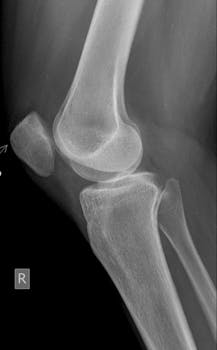
The anterior drawer sign is a crucial diagnostic test utilized by healthcare professionals to assess knee stability. It’s often performed when there’s suspicion of an anterior cruciate ligament (ACL) injury. Understanding this test and its implications can provide clarity for those experiencing knee issues or recovering from knee injuries.
What is the Anterior Drawer Sign?
The anterior drawer sign is a clinical test used primarily to evaluate the integrity of the ACL in the knee. During this procedure, the patient lies on their back with their knee bent. The examiner gently pulls the leg forward to check for excessive movement of the tibia in relation to the femur. Excessive movement could indicate a torn ACL.
This test is one of several maneuvers used by healthcare providers to assess knee joint stability. Given its significance, understanding what the results mean is vital for anyone who is active or has suffered a knee injury in the past.
Understanding the Mechanics of the Test
The knee joint is a complex structure, and the ACL is crucial for maintaining stability. During the anterior drawer test, the examiner looks for signs of instability or a lack of resistance in the knee joint. A positive result generally suggests a compromised ACL.
This test is often included as part of a comprehensive knee evaluation. It is essential to note that while the anterior drawer sign is indicative, it is not the sole diagnostic measure. It is typically used in conjunction with other tests and imaging, such as an MRI, to confirm an ACL injury.
When is the Anterior Drawer Sign Used?
The anterior drawer sign is particularly useful in cases where an individual has experienced trauma to the knee, such as a sports injury. It helps assess the extent of the damage and can guide further treatment options. Early diagnosis through this method can lead to better management and recovery outcomes.
In addition to sports injuries, this test may be employed if someone complains of chronic knee instability or recurring giving way of the knee during activities. The results can help inform whether surgical intervention or conservative treatment like physical therapy would be most beneficial.
Limitations of the Anterior Drawer Sign
Despite its clinical value, the anterior drawer sign is not infallible. False positives and negatives can occur, especially if not performed correctly. Variability in the test can also arise due to the patient’s muscle tone or pain during the examination. For this reason, the test is often supplemented with other diagnostic tools.
Patients with a high degree of muscle tension might exhibit a different result compared to those with relaxed musculature. Furthermore, swelling in the knee can also affect the test’s accuracy, potentially leading to skewed results.
The Role of the Anterior Cruciate Ligament
The ACL is one of the key ligaments that help stabilize the knee joint. It prevents the tibia from sliding out in front of the femur and provides rotational stability. Injury to the ACL, such as a tear, can severely impact one’s ability to perform daily activities or engage in sports without experiencing instability or pain.
Rehabilitation and treatment following an ACL injury can vary. Some might require surgical intervention to reconstruct the ligament, while others may benefit from a structured physical therapy regimen. Understanding the role of the ACL underscores the importance of accurate diagnostic tests like the anterior drawer sign in managing knee injuries.
Treatment and Recovery Options
After an injury has been confirmed using the anterior drawer sign and other diagnostic tools, a tailored treatment plan is essential. Options range from conservative methods like physical therapy and bracing to surgical procedures depending on the severity of the injury and the patient’s lifestyle needs.
Physical therapy often focuses on strengthening the surrounding knee musculature to compensate for any lost ligament function. Surgery, such as ACL reconstruction, might be recommended for patients aiming to return to high levels of athletic activity.
For further insights into maintaining joint health and improving overall activity levels, you may find our article on gradually moving from a sedentary to a more active lifestyle beneficial.
Conclusion
The anterior drawer sign plays a crucial role in diagnosing knee injuries, particularly those involving the ACL. For anyone experiencing knee instability or pain, understanding this test can aid in discussions with healthcare providers about potential injuries and treatment plans. While not definitive alone, when used as part of a comprehensive assessment, it provides significant insight into knee health.
For more detailed information about knee health and ligament injuries, you might consult resources such as the comprehensive explanations on health topics available online.
Takeaways
- The anterior drawer sign evaluates ACL integrity in the knee.
- It is often used following knee injuries to assess stability.
- The test helps guide treatment, which might include surgery or physical therapy.
- Limitations exist, making it one of several diagnostic tools used.
- A positive sign suggests possible ACL injuries needing further assessment.
What is the anterior drawer sign?
The anterior drawer sign is a clinical test to evaluate the stability of the knee, specifically assessing the anterior cruciate ligament (ACL) for potential injury.
How is the anterior drawer test performed?
During the test, the patient lies on their back with a bent knee, and the examiner gently pulls the leg forward to detect excessive forward movement of the tibia.
What does a positive anterior drawer sign indicate?
A positive result suggests possible injury or compromise of the ACL, which may cause knee instability and require further medical evaluation.
Can the anterior drawer sign be inaccurate?
Yes, factors such as muscle tension and knee swelling can affect the test’s accuracy, which is why it is often used alongside other diagnostic methods.
What are the treatment options for an ACL injury?
Treatment options depend on the severity of the injury and might include physical therapy, bracing, or surgical reconstruction, based on the patient’s goals and lifestyle.
Other Articles You May Find of Interest...
- How Physiotherapy Can Help With Sciatica and Leg Pain
- The Role of Physical Therapy in Preventing Chronic Pain
- Movement Is a Lifelong Responsibility
- The Drawbacks and Risks of Trigger Point Therapy
- Making Physiotherapy Part of a More Comfortable Everyday Life
- Pars Fracture FAQs: Symptoms, Imaging, and Treatment Options
- A Better Truth About Bunions