






More Pet Health Articles
What High Alkaline Phosphatase Levels in Dogs Mean for Their Health?
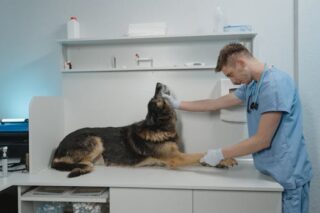
Canine elevated alkaline phosphatase is a concern for many dog owners wanting to ensure their furry friends maintain optimal health. This enzyme, while naturally present in dogs, can indicate potential health issues when levels are higher than normal. Understanding what causes these elevated levels and their implications is essential for providing the best care for your dog.
Understanding Canine Elevated Alkaline Phosphatase
Alkaline phosphatase (ALP) is an enzyme primarily associated with the liver, bones, intestines, and kidneys. In dogs, elevated levels can signal a range of health issues. Detecting and interpreting these levels requires a keen understanding of your dog’s overall health profile and a potential visit to the veterinarian.
Before concluding any diagnoses, it is essential to consider various factors influencing ALP levels. These include age, breed, and pre-existing health conditions. Regular veterinary check-ups can aid in monitoring these levels and addressing any concerns early on.
Common Causes of Elevated Alkaline Phosphatase
Various factors can lead to an elevation in ALP levels. Here are some common causes:
- Liver Disease: Conditions like hepatitis or bile duct obstructions can increase ALP levels as the liver struggles to function properly.
- Bone Disorders: Young, growing puppies or dogs with bone diseases may naturally have elevated levels due to increased bone activity.
- Endocrine Disorders: Cushing’s disease (hyperadrenocorticism) in dogs often results in elevated ALP levels.
While these are some causes, each dog is unique, and variations can exist. Therefore, getting a veterinary evaluation is crucial for understanding the root cause specific to your pet.
Diagnosing Elevated Alkaline Phosphatase Levels in Dogs
Diagnosing the reason behind canine elevated alkaline phosphatase involves a series of steps:
- Blood Tests: Conducting a comprehensive blood panel is the first line of action. This helps in determining ALP levels and other crucial parameters.
- Ultrasound or X-Rays: Imaging techniques can check for organ abnormalities contributing to elevated ALP levels.
- Specialized Tests: Specific tests can offer more insights, especially if a particular organ disease is suspected.
Your veterinarian will interpret results and might recommend further tests based on initial findings.
Treatment Options for Elevated Alkaline Phosphatase Levels
Treating elevated ALP levels in dogs focuses on addressing underlying conditions. Depending on the diagnosis, treatment strategies may include:
- Medications: Prescribed drugs can help manage symptoms or treat the root cause, like liver diseases or endocrine disorders.
- Dietary Adjustments: A change in diet can help manage liver conditions or combat obesity, both of which influence ALP levels. Learn how lifestyle choices impact overall health.
- Surgery: In some cases, surgical intervention might be necessary to correct problems causing elevated ALP levels.
The course of treatment varies for each dog, and regular check-ups are vital to monitor progress and adjust approaches as needed.
The Importance of Early Detection
Monitoring your dog’s health and ensuring regular veterinary visits are cornerstones in the early detection of elevated ALP levels. Early diagnosis can prevent the progression of potential diseases and improve treatment outcomes significantly.
Additionally, maintaining a detailed record of your dog’s medical history, diet, and lifestyle can provide crucial insights for your veterinarian. Such records help in contextualizing test results and deciding the best management plan.
Measures to Prevent Elevated ALP Levels
Preventing elevated ALP levels involves a proactive approach towards your dog’s health:
- Regular Exercise: Regular physical activity helps maintain a healthy weight and ensures proper bone and organ function.
- Balanced Diet: Providing a nutritionally rich diet aids in overall health maintenance. For tailored advice, consult your veterinarian.
- Routine Check-Ups: Regular vet visits enable early detection and comprehensive monitoring of your dog’s health.
Prevention and early intervention can significantly improve your dog’s quality of life.
Conclusion
Canine elevated alkaline phosphatase can signal various health issues, requiring careful monitoring and a collaborative approach between pet owner and veterinarian. Understanding the underlying causes is essential, as is taking timely action. Always prioritize your pet’s well-being and consult a vet for personalized advice. For additional information on health, you can visit Wikipedia’s health article.
- Elevated ALP levels indicate potential health concerns in dogs.
- Common causes include liver disease, bone disorders, and endocrine issues.
- Diagnosis involves blood tests and may require imaging.
- Treatment focuses on underlying conditions and may involve medication or lifestyle changes.
- Prevention through regular vet visits and a healthy lifestyle can make a significant difference.
What does high alkaline phosphatase indicate in dogs?
High alkaline phosphatase levels in dogs can suggest liver or bone diseases, Cushing’s disease, or other health issues. Diagnosis depends on further tests and evaluations.
What treatments are available for elevated ALP in dogs?
Treatments vary based on underlying conditions but may include medications, dietary changes, or surgery. Consulting a veterinarian is crucial for appropriate management.
Can a diet help manage elevated ALP levels?
Yes, dietary changes can support liver and overall health. A veterinarian can recommend a diet tailored to your dog’s needs.
Is there a connection between exercise and ALP levels in dogs?
Regular exercise ensures proper organ function and helps maintain healthy bones, potentially influencing ALP levels indirectly.
How often should I check my dog’s ALP levels?
Routine veterinary visits should include ALP level checks as part of a comprehensive health examination, especially if there are existing health concerns.
Other Articles You May Find of Interest...
- Essential Medications to Skip Before Your PET Scan for Accurate Results
- Are Ladybugs Poisonous? Discover the Truth About These Colorful Insects
- Top Reasons Vets Recommend CBD Probiotic Chews for Pets
- Why Prompt Medical Care Matters After a Dog Attack
- Is Vegan Dog Food for Allergies Worth It? Honest Review of Allergy-Friendly Diets
- Straight vs. Curved: Choosing the Perfect Shears for Your Dog’s Coat
- What High Alkaline Phosphatase Levels in Dogs Mean for Their Health?



