More Pet Health Articles
What Every Owner Should Know About Large Breed Dogs’ Nutrition and Growth
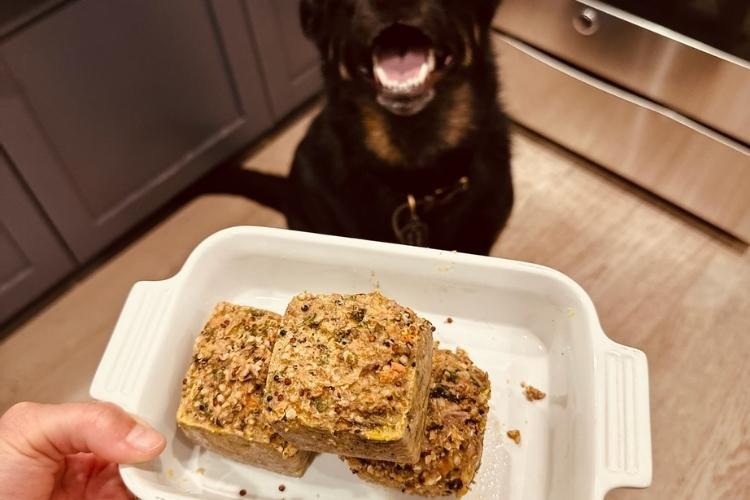
Large breed dogs face a different set of nutritional challenges than their smaller counterparts. From joint health to growth rate management, the food choices made in a big dog’s life can shape years of mobility, energy, and overall wellness. Owners of breeds like Great Danes, German Shepherds, Labradors, and Mastiffs often discover that generic dog food advice does not fully apply to their pets.
This guide breaks down what large-breed dogs actually need, how feeding requirements shift with size, and what to look for when choosing food for a dog that will eventually weigh 70 pounds or more.
Why Large Breeds Have Unique Nutritional Needs
Large and giant breed dogs grow at a much faster rate during puppyhood than small breeds, and that rapid growth puts pressure on developing bones and joints. Feeding a large breed puppy food that is too calorie-dense or improperly balanced in calcium and phosphorus can contribute to skeletal problems later in life. This is why nutrition organizations have established specific guidelines for large-sized dogs.
Growth Rate Matters
Unlike a small breed that reaches adult size within months, a large breed dog may continue growing for 18 months to two years. During that window, controlled growth, rather than maximum growth, is the goal. Overfeeding or feeding food with excessive fat content can accelerate growth too quickly, increasing strain on joints before they’re fully developed.
When evaluating dog food options for large breeds, it helps to look for products formulated specifically to meet recognized nutrient profiles. Some brands address this directly. For example, large-breed formulas, like the kind you can get from the California Dog Kitchen website, are formulated to meet the nutritional levels established by the AAFCO Dog Food Nutrient Profiles for all life stages. This includes the growth requirements for large-sized dogs weighing 70 pounds or more as adults.
Protein Quality Counts More Than Quantity
A common misconception is that large dogs simply need more protein than small dogs. In reality, the quality of that protein matters just as much as the amount. High-quality, human-grade protein sources are more digestible and provide a more complete amino acid profile than lower-grade fillers often found in mass-produced kibble.
What to Look for in Protein Sources
Owners shopping for large-breed food should pay attention to the source of the protein. Look for:
- Named protein sources rather than vague terms like “meat meal” or “animal byproduct”
- Organic or certified protein options, when available
- Variety in protein sources, such as fish, poultry, or red meat, is especially beneficial for dogs with sensitivities
- Minimal processing, since gently cooked options tend to retain more nutrients than heavily processed kibble
Dogs with food sensitivities or allergies often benefit from novel proteins they haven’t been exposed to before. Wild-caught fish, lamb, or venison are examples of proteins that can work well for dogs that react poorly to more common chicken- or beef-based diets.
Portion Control Becomes More Critical With Size
Smaller feeding mistakes have a bigger impact on large dogs. A few extra ounces of food per day might not matter much for a 15-pound dog, but for a 90-pound dog, inconsistent portioning can lead to noticeable weight gain or loss over time.
Calculating the Right Amount
Feeding guidelines for large breeds typically scale with body weight, but the exact formula varies by brand and food type. As a general approach:
- Base daily food amounts on current weight, not estimated adult weight
- Adjust portions for puppies and pregnant or nursing dogs, who often need two to three times the standard amount
- Reassess portions every two weeks during growth phases, since rapid weight changes are common
- Use a feeding calculator when available, rather than relying on memory or rough estimates
Fresh, frozen dog food is often portioned in pre-measured cubes, which simplifies this process considerably. A typical guideline is 1 4-ounce cube per 10 pounds of body weight per day, adjusted according to the dog’s specific needs.
Storage and Handling Affect Food Quality
Fresh dog food requires different storage habits than dry kibble, and large-breed owners feeding larger quantities need a system that works long-term.
Best Practices for Fresh Food Storage
- Keep frozen dog food in the freezer until ready to use
- Defrost portions in the refrigerator rather than at room temperature
- Use defrosted food within five days to maintain freshness and safety
- Plan ahead for larger dogs, since they go through more food and may need to defrost multiple cubes at once
Packaging matters too. Some companies have moved toward compostable packaging made from materials like kraft paper with vegetable-based liners, which break down in industrial composting environments far faster than traditional plastic packaging.
Identifying Trustworthy Sourcing Standards
For owners who want more transparency about where their dog’s food comes from, several certification and sourcing markers can help separate higher-quality options from the rest of the market.
Markers Worth Researching
- USDA certification on protein sources
- GAP (Global Animal Partnership) certification for animal welfare standards
- Membership in food quality guilds that vet sourcing practices, local production, and ingredient transparency
- Absence of GMO ingredients, which some quality-focused guilds specifically screen for during their application process
Brands accepted into organizations focused on local, organic, and high-quality food production typically undergo a vetting process that checks for sourcing transparency and ingredient standards. This kind of third-party scrutiny can give owners more confidence than marketing claims alone.
Concusion
Transitioning a large-breed dog to a new food, especially a fresh or frozen diet, should be gradual. Abrupt diet changes can cause digestive upset, particularly in larger dogs whose digestive systems process larger food volumes.
A gradual transition over seven to ten days, mixing increasing amounts of the new food with decreasing amounts of the old, tends to produce the smoothest results. Owners should also closely monitor their dog’s weight and energy levels during the first few weeks on any new diet, adjusting portions as needed based on the dog’s response.
Other Articles You May Find of Interest...
- The Health Benefits of Pet Ownership for Small-Space and Senior Living
- 5 Pet Symptoms That May Warrant Urgent Veterinary Care
- What to Do After a Dog Bite Injury
- Hypoallergenic Cat Breeds: What Allergy Sufferers Should Know Before Adopting
- Keeping Pets Safe in Homes Where Cannabis Products Are Present
- Is Manuka Honey Good for Dogs?
- Is Your Dog Waking Up Stiff? 5 Signs Their Bed May No Longer Be Supportive