






More Pet Health Articles
When Should Puppies Get Their First Vaccines in Roseville

According to the American Veterinary Medical Association’s 2024 guidelines, puppies receive their maternal antibody protection for only 6-16 weeks after birth — creating a critical window where timing vaccination incorrectly can leave them vulnerable to life-threatening diseases. As Roseville’s growing pet population puts increased pressure on local veterinary clinics and dog parks see higher traffic year-round, the stakes for proper immunization have never been higher. The difference between vaccinating too early (when maternal antibodies block effectiveness) and too late (when natural protection fades) often determines whether a young dog develops robust immunity or faces preventable illness.
For new puppy owners in Roseville, understanding this timing isn’t just about following a schedule — it’s about navigating the specific disease risks present in Northern California’s climate and the practical realities of local veterinary care, including access to dog vaccination services. The decisions made in those first few months establish the foundation for a lifetime of canine health, making the “when” as important as the “what” when it comes to vaccination.
Why Timing Matters for Puppy Vaccinations
The immune system of a newborn puppy operates under a fascinating biological countdown that shapes everything about vaccination strategy. For roughly the first six weeks of life, puppies rely entirely on antibodies received through their mother’s colostrum — the nutrient-rich first milk that transfers passive immunity. These maternal antibodies provide crucial protection but also create a scheduling challenge that many pet owners don’t fully appreciate.
Here’s the complication: maternal antibodies don’t just protect against disease — they actively interfere with vaccination. When a puppy receives vaccines while maternal antibodies are still circulating, those antibodies neutralize the vaccine before the puppy’s own immune system can learn to recognize and fight the targeted diseases. It’s like trying to teach someone to swim while they’re wearing a life jacket that does all the work for them.
The problem becomes more complex because maternal antibody levels don’t decline on a predictable timeline. Some puppies lose this protection by eight weeks, others maintain it until 16 weeks or longer. Factors like the mother’s vaccination status, the puppy’s birth weight, and even individual genetic variations all influence how long maternal immunity persists. A robust mother with high antibody levels might pass protection that interferes with vaccines until the puppy is four months old.
This uncertainty explains why veterinarians use a series approach rather than a single shot. By administering vaccines every 3-4 weeks starting around 6-8 weeks of age, clinics ensure that at least one vaccination in the series occurs after maternal antibodies have declined enough to allow the puppy’s immune system to respond. Think of it as multiple attempts to hit a moving target — eventually, one connects when the timing is right.
The consequences of getting this timing wrong extend beyond individual puppies. Diseases like parvovirus and distemper can spread rapidly through unvaccinated populations, creating community health risks that affect every dog owner in areas like Roseville where dogs interact regularly at parks, trails, and boarding facilities.
Core and Non-Core Vaccines Given in Roseville Clinics
Veterinary immunology divides puppy vaccines into two distinct categories that reflect both universal disease risks and regional considerations specific to Northern California. Core vaccines target diseases that pose significant risk to virtually every puppy, regardless of lifestyle or location, while non-core vaccines address threats that vary based on geographic region, local wildlife populations, and individual exposure patterns.
Core vaccines form the foundation of every puppy’s immunization program and include protection against distemper, hepatitis/adenovirus, parvovirus, parainfluenza, and rabies — commonly referred to as the DHPP series plus rabies. These diseases either carry high mortality rates, have zoonotic potential (can spread to humans), or present such widespread exposure risk that universal vaccination makes epidemiological sense. Parvovirus, for instance, can survive in soil for months and requires only microscopic amounts of contaminated material to cause infection in susceptible puppies.
Roseville’s climate and geography influence which non-core vaccines local clinics typically recommend. Bordetella (kennel cough) vaccination has become increasingly important as the area’s dog daycare facilities and boarding kennels proliferate. Leptospirosis protection gains relevance due to Northern California’s wildlife populations and the agricultural areas surrounding Roseville where dogs might encounter contaminated water sources. Lyme disease vaccination may be discussed for puppies whose families plan to hike in wooded areas where tick populations carry the disease.
The distinction between core and non-core isn’t arbitrary — it’s based on extensive risk analysis that considers disease prevalence, severity, transmission patterns, and vaccine safety profiles. Local clinics integrate American Animal Hospital Association guidelines with regional disease surveillance data to customize recommendations. For example, while rattlesnake vaccines exist, most Roseville clinics focus on habitat avoidance education rather than immunization due to the vaccine’s limitations and the relatively low encounter rate in typical residential areas.
Understanding this framework helps puppy owners participate meaningfully in vaccination discussions rather than simply following a predetermined protocol. A family planning extensive camping trips needs different protection than one whose puppy will primarily socialize in urban dog parks, and experienced dog vaccination services can tailor recommendations accordingly.
Typical Vaccination Timeline for Puppies in Roseville
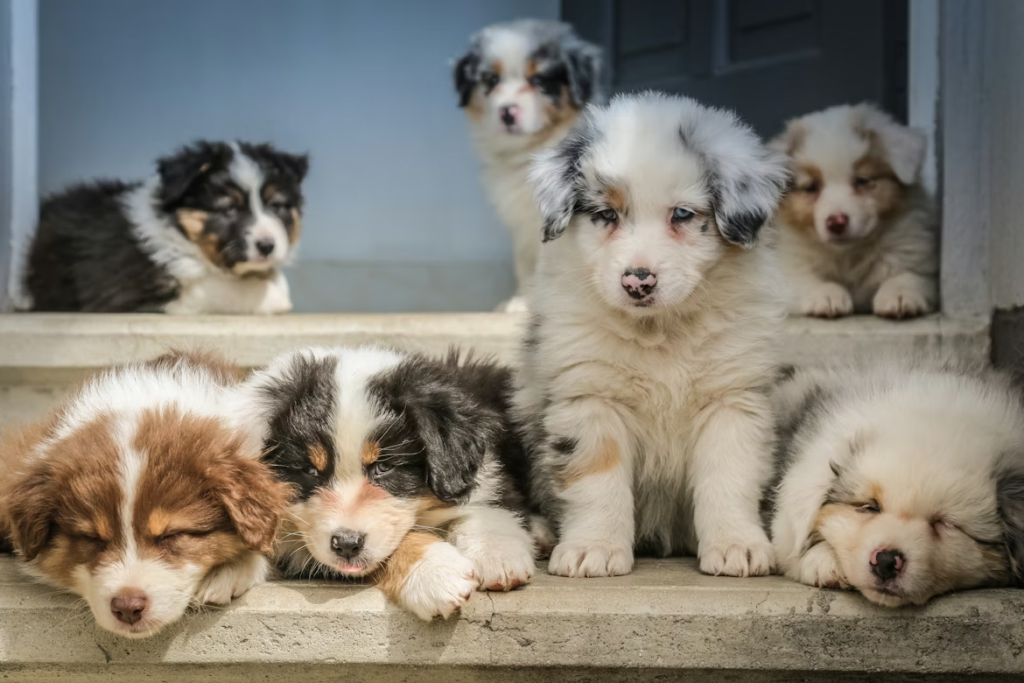
Most Roseville veterinary clinics follow a vaccination schedule that begins when puppies reach 6-8 weeks of age, balancing the need for early protection against the interference of maternal antibodies. The initial series typically consists of three to four appointments spaced 3-4 weeks apart, followed by annual or triennial boosters depending on the specific vaccine and the dog’s risk profile.
The first vaccination appointment usually occurs around 6-8 weeks and includes the initial DHPP combination vaccine. Some clinics prefer to wait until 8 weeks, particularly for smaller breeds that may be more sensitive to early vaccination. This first shot rarely provides complete protection — think of it as the opening lesson in a course rather than a final exam. Many puppies still rely partially on maternal antibodies at this stage.
Second and third appointments at 10-12 weeks and 14-16 weeks complete the core series for most puppies. Bordetella is often introduced during the second visit, especially for puppies destined for socialization classes or daycare. Rabies vaccination typically occurs during the third visit, as most states (including California) require puppies to be at least 12-16 weeks old for initial rabies immunization.
The final puppy vaccination usually happens around 16-20 weeks and serves as both the completion of the initial series and the transition to adult vaccination schedules. This timing ensures that even puppies with prolonged maternal antibody protection receive at least one effective vaccination in the series. Some veterinarians add a fifth appointment for puppies at particularly high risk or those who started their series very early.
Breed-specific considerations can modify this timeline. Large breed puppies may receive slightly delayed schedules to reduce any theoretical risk of vaccine-associated joint problems, while toy breeds might get split doses or extended intervals between vaccines. Puppies with compromised immune systems — whether due to illness, stress, or poor nutrition — may require modified protocols with additional monitoring.
Local factors also influence timing recommendations. During peak parvovirus seasons or disease outbreaks, clinics may recommend starting the series earlier or adding extra appointments. Conversely, during periods of low disease activity, some veterinarians might suggest slightly delayed schedules for puppies in low-risk environments.
Best Practices and Safety at Dog Vaccination Clinics
Professional vaccination clinics operate under strict protocols designed to maximize vaccine effectiveness while minimizing risks, creating systems that protect both individual puppies and the broader community health. These safety measures extend far beyond the moment of injection, encompassing everything from vaccine transportation to post-vaccination monitoring.
Vaccine Storage and Handling Protocols
The “cold chain” represents perhaps the most critical aspect of vaccination safety that pet owners rarely see but directly affects their puppy’s protection. Vaccines contain fragile biological components that lose potency rapidly when exposed to inappropriate temperatures, light, or physical agitation. Professional clinics maintain continuous refrigeration between 35-45°F from manufacturer to injection, using specialized refrigerators with temperature monitoring systems and backup power supplies.
Proper handling involves more than just temperature control. Vaccines must be protected from light exposure, mixed according to precise protocols, and used within specific timeframes once reconstituted. Many vaccines become ineffective within hours of preparation, requiring clinics to carefully coordinate appointment schedules with vaccine preparation. Staff training includes recognition of vaccine degradation signs, proper mixing techniques, and documentation requirements that ensure traceability if problems arise.
Quality clinics also maintain detailed records of vaccine lot numbers, expiration dates, and storage temperatures, creating an audit trail that allows rapid response if manufacturer recalls occur or if clusters of vaccine failures suggest storage problems. This level of documentation might seem excessive, but it’s essential for maintaining the high efficacy rates that make vaccination programs successful at the population level.
Clinic Safety Measures and Managing Side Effects
Vaccination administration involves systematic assessment of each puppy’s health status, appropriate restraint techniques, and immediate post-injection monitoring for adverse reactions. Experienced vaccination staff evaluate puppies for signs of illness, stress, or conditions that might contraindicate vaccination before proceeding with injections.
Most adverse reactions occur within the first 15-30 minutes after vaccination, making observation periods a standard safety measure rather than an optional convenience. Clinics equipped to handle emergencies maintain supplies of antihistamines, corticosteroids, and epinephrine for treating severe allergic reactions, though such reactions remain rare — occurring in fewer than 1 in 10,000 vaccinations according to veterinary adverse event databases.
Staff training focuses on recognizing the difference between normal post-vaccination responses (mild lethargy, slight soreness at injection sites) and concerning reactions requiring immediate intervention. Documentation of any adverse events contributes to ongoing vaccine safety surveillance and helps identify puppies who might need modified protocols for future vaccinations.
Common Misconceptions and Risks About Puppy Vaccines
Persistent myths about vaccination safety and effectiveness create confusion for puppy owners trying to make informed decisions about their pet’s health care. Understanding the reality behind these misconceptions helps owners recognize legitimate concerns while avoiding unnecessary anxiety about proven preventive care.
The most widespread misconception suggests that vaccines cause autism-like conditions in dogs, extrapolating from discredited human vaccine theories. No credible veterinary research has ever established such a connection, and the behavioral changes some owners attribute to vaccination typically reflect normal puppy development, socialization stress, or coincidental health issues that occur during the vaccination period.
Another common concern centers on “over-vaccination” and the belief that modern protocols include unnecessary vaccines that overwhelm the immune system. While vaccination protocols have evolved to reduce frequency for some adult boosters, the puppy series remains necessary due to the maternal antibody interference issues discussed earlier. The immune system of a healthy puppy easily handles multiple vaccines simultaneously — in fact, puppies encounter far more antigenic challenges from their normal environment than from any vaccination series.
Some owners worry about vaccine ingredients, particularly preservatives and adjuvants used to enhance immune responses. Modern veterinary vaccines undergo extensive safety testing, and the quantities of any potentially concerning ingredients remain far below levels that cause problems in laboratory studies. The risks associated with the diseases vaccines prevent — including death rates above 80% for untreated parvovirus in puppies — vastly outweigh theoretical concerns about vaccine components.
Legitimate vaccine reactions do occur but typically involve mild symptoms like temporary soreness, low-grade fever, or decreased appetite lasting 24-48 hours. Serious allergic reactions requiring emergency treatment occur in fewer than 0.01% of vaccinations. Delayed reactions, such as small lumps at injection sites that persist for weeks, sometimes develop but rarely cause lasting problems and don’t prevent future vaccination.
The timing question that brings most owners to vaccination discussions ultimately comes down to risk management rather than eliminating all risk. Properly timed vaccination provides the best available protection against serious infectious diseases while minimizing the chance of complications. For Roseville puppy owners, working with experienced veterinary professionals who understand both the science of immunology and the practical realities of local disease risks offers the clearest path through the decision-making process that shapes their dog’s lifelong health trajectory.
Other Articles You May Find of Interest...
- The Health Benefits of Pet Ownership for Small-Space and Senior Living
- 5 Pet Symptoms That May Warrant Urgent Veterinary Care
- What to Do After a Dog Bite Injury
- Hypoallergenic Cat Breeds: What Allergy Sufferers Should Know Before Adopting
- Keeping Pets Safe in Homes Where Cannabis Products Are Present
- Is Manuka Honey Good for Dogs?
- Is Your Dog Waking Up Stiff? 5 Signs Their Bed May No Longer Be Supportive





