






More Pain Management & Rehabilitation Articles
What Does an Orthopedic Doctor Do and When to See One
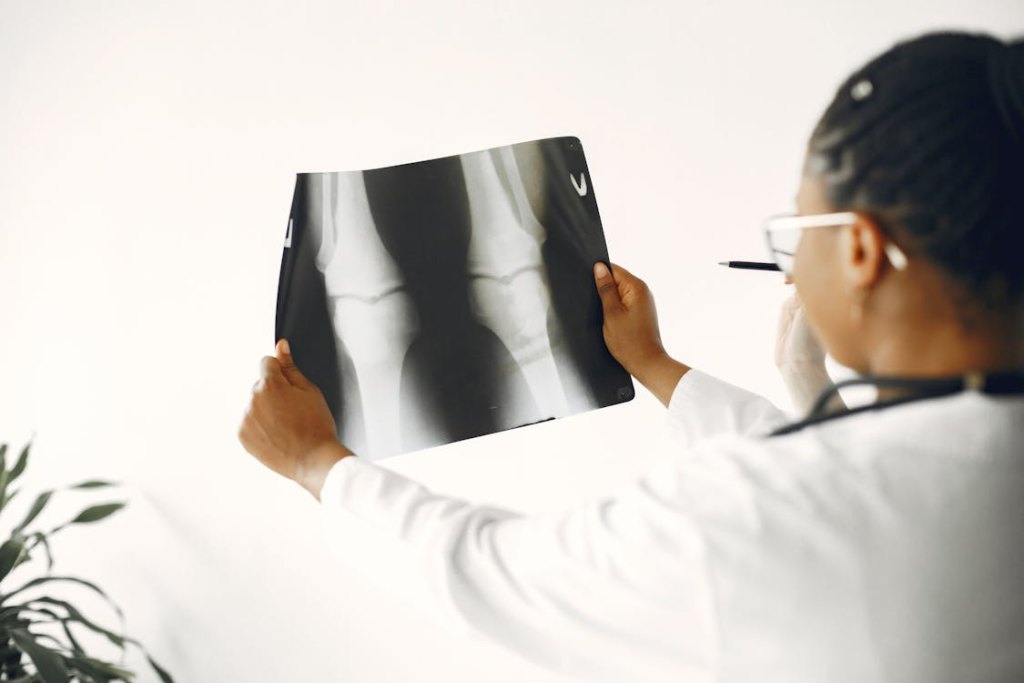
Image Source: Pexels
An orthopedic doctor takes care of issues related to your musculoskeletal system. If someone has sustained sports injuries in the past or is dealing with a painful back, an orthopedic doctor will be the right specialist to see. They can help design treatments that may include anything from medication to physical therapy or surgery.
Read on as we explore what an orthopedic doctor does and when to schedule an appointment with one.
Defining the Role of an Orthopedic Doctor
An orthopedic doctor treats issues of the bones, tendons, muscles, joints, and ligaments. They can also care for spine problems, such as herniated discs. For patients battling chronic pain, arthritis, or sudden sports injuries, orthopedic specialists can intervene.
Arthritis can make it hard to complete simple tasks, while back pain, sprains, or torn ligaments can hamper mobility. Through both surgical and nonsurgical means, an orthopedic doctor can aid in recovery. Ultimately, their goal is to help restore mobility and minimize pain so patients can resume their lives.
Treating Sudden and Chronic Issues
Orthopedic doctors cover a range of issues in their treatment plans. Common issues, like arthritis, for instance, can trigger debilitating pain and limit a person’s range of movement. Orthopedic specialists can prescribe targeted medication, physical therapy, or surgical joint repair.
Orthopedic specialists are also the go-to doctors for ongoing back problems that make sitting or walking difficult. They may recommend back exercises, use anti-inflammatory injections, or pursue surgical options. The goal is to treat conditions like spinal stenosis or herniated discs so patients can regain mobility.
If a patient is dealing with a fracture or broken bone from an accident, they’ll want an orthopedic doctor to evaluate their condition. Likewise, torn ACLs or rotator cuffs can be treated with braces or surgical interventions.
Diagnosing Issues with an Examination
When an orthopedic specialist meets with a patient, they’ll gather information and conduct a physical examination. They’ll ask how intense the pain feels, and they’ll inquire about other symptoms. Additionally, a doctor will want to know if the patient has a history of injuries or falls that may contribute to the problem.
The doctor will check a patient’s range of movement and assess their stability. It may be necessary to get imaging for a closer look and clearer diagnosis.
Patients may be asked to get X-rays, MRIs, or ultrasounds, depending on the area under evaluation. CT scans can offer precise images of bones, while MRIs are better for tendons and muscles. Ultimately, doctors want a comprehensive view of what’s happening.
Knowing When to Consult an Orthopedic Doctor
Often, it’s possible to treat a sprained ankle or achy back at home. Limiting activities and getting plenty of rest may be enough for the problem to go away. But when symptoms are persistent, it’s best to seek help from an orthopedic specialist.
If pain inhibits someone’s ability to walk or move comfortably, they should schedule an appointment. And if pain doesn’t improve after a few weeks, there may be a bigger issue beneath the surface to address. Similarly, ongoing swelling and numbness shouldn’t be ignored.
Certain sports injuries can aggravate muscles or tendons and cause longterm issues. And any injury that makes moving forward with typical daily activities too disruptive should be treated by a specialist. When in doubt, it’s smart to seek treatment early to avoid letting tears, aches, and injuries worsen.
Understanding How Orthopedic Doctors Can Help
Orthopedic doctors play a pivotal role in helping patients with muscle, bone, or tendon issues. They can use both noninvasive treatments and surgical techniques to help patients improve their range of motion, feel comfortable, and regain a sense of normalcy.
Scheduling an appointment with an orthopedic doctor can be an excellent first step toward finding relief and improving outcomes.
Other Articles You May Find of Interest...
- What to Do If You Think You Have a Broken Tailbone
- Closed Reduction With External Fixation: How It Stabilizes a Fracture
- Knee Massager for Muscle Tension Around the Knee What You Need to Know
- What Life Really Looks Like a Year After Spine Surgery
- Gout or Bursitis? Why Joint Swelling Can Look the Same
- Broken Kneecap Recovery: How Long Healing Usually Takes
- The Thumb Grind Test: What Pain During It Can Mean





