






More Imaging Articles
What to Expect: Duration of a CT Scan and Its Impact on Your Health
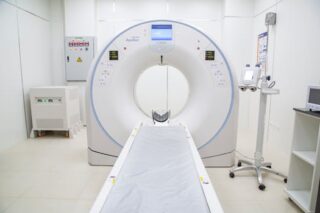
Many people wonder, “How long is a CT scan?” when they’re faced with needing this common diagnostic imaging test. Whether you’re preparing for your first CT scan or overseeing a loved one’s medical care, it’s natural to have questions about the procedure’s duration and what to expect before, during, and after the scan.
How Long is a CT Scan?
The actual duration of a CT scan is typically quite short. Most scans last only a few minutes, with the entire appointment, including preparation and post-scan processing, usually completed within 30 minutes to an hour. The exact time can vary depending on the specific area of the body being scanned and whether a contrast dye is used to enhance imaging results.
What Happens During a CT Scan?
During a CT scan, you’ll typically lie on a table that slides into a large, doughnut-shaped machine called a scanner. The scanner rotates around your body, capturing multiple images that are combined to form a detailed cross-section of the area being examined. You may hear whirring or clicking sounds as the machine operates, but the process itself is painless.
If a contrast dye is used, it may be given through an IV, orally, or as an enema, depending on the area being examined. The dye can help improve the visibility of tissues, blood vessels, and organs. You might feel a warm sensation or a strange taste in your mouth if a contrast dye is used, but these feelings are typically brief and harmless.
When to Seek Care
CT scans can be critical for diagnosing various health conditions, like injuries, infections, or cancers. However, if you experience lingering symptoms like unexplained pain, chronic illness, or persistent headaches after a scan, it’s essential to follow up with your healthcare provider. A radiologist typically interprets the images and sends a report to the referring doctor, who will discuss the results with you.
If you’re considering a CT scan but feel uncertain, you might consult a specialist. Radiologists are experts in imaging tests and can answer questions about the procedure and its necessity based on your health concerns.
The Impact of a CT Scan on Daily Life
Undergoing a CT scan is generally an outpatient procedure with minimal impact on daily activities. Most individuals can return to their regular routines immediately after, although those who’ve had a contrast dye may be advised to drink extra fluids to help flush it out of their system. It’s normal to feel some anxiety around medical tests, but understanding what to expect can help ease concerns and prepare you for your appointment.
Questions to Ask Your Doctor
Before your CT scan, you might want to discuss any current medications, allergies, or existing medical conditions with your healthcare provider to avoid potential complications with contrast dye. Additionally, understanding any specific instructions, such as fasting requirements or medication adjustments, can help ensure the scan is as accurate and as safe as possible.
If you’re looking to make healthier lifestyle choices as part of your overall wellness plan, consider reading about the importance of a high-protein diet for weight loss by exploring this informative article.
Preparation and Follow-up
Being prepared for a CT scan includes following any specific instructions from your healthcare team, which may involve fasting or drinking a contrast solution hours before your test. Post-scan, your doctor will typically review the results and discuss the next steps. Don’t hesitate to ask how the imaging findings fit into your overall treatment plan.
For more information on CT scans, you can visit the Mayo Clinic website, which provides a wealth of knowledge on medical imaging and other health topics.
- CT scans are short, usually lasting a few minutes.
- Preparation and setup may add more time to the overall process.
- Contrast dye might be used to enhance imaging results.
- CT scans can help diagnose numerous conditions.
- Radiologists or your doctor will discuss the scan results with you.
Common Questions
What should I do if I’m claustrophobic?
If you are claustrophobic, mention it to your healthcare provider before the procedure. They might provide sedation or suggest ways to manage anxiety, such as breathing exercises or visualization techniques, to improve comfort during the scan.
Can I eat or drink before a CT scan?
This depends on the body part being imaged and whether a contrast dye is involved. Often, you may need to abstain from eating or drinking for a few hours before the scan. Always follow your healthcare provider’s specific instructions to ensure the most accurate results.
Are there any side effects to contrast dye?
While serious reactions to contrast dye are rare, some people may experience minor side effects like nausea, a metallic taste, or a warm flush. Notify your healthcare provider if you have a known allergy to iodine or previous reactions to contrast mediums.
When will I get my results?
Results are typically available within a few days, although this can vary based on your location and healthcare facility. Your primary care physician or specialist will reach out to discuss the findings and any necessary follow-up actions.
How long should I expect recovery to take?
Since CT scans are non-invasive and involve minimal discomfort, recovery is usually immediate. Following guidelines related to contrast dye, if used, like drinking plenty of fluids, will aid in its clearance from your system.
In conclusion, understanding “how long is a CT scan” and the entire procedure can set your mind at ease and help you or a loved one prepare for this important diagnostic tool.
Other Articles You May Find of Interest...
- Radiographer or Radiologist? Know the Difference
- What a Bone Density Test Can Tell You About Your Fracture Risk
- How to Read a CT or MRI Report Before Your Follow-Up Appointment
- Brain MRI After a Stroke: What the Scan Can Show
- What Is Teleradiology? How It Works and What Patients Should Know
- Radiology Clinics in Southern Sydney: Options to Consider
- What Can Different Types of CT Scans Detect? A Patient Guide





