






More Pain Management & Rehabilitation Articles
Wasp Sting Duration: How Long Can You Expect Symptoms to Last?
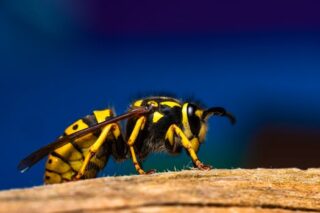
When you have been stung by a wasp, one of your immediate concerns might be: how long does a wasp sting last? Typically, the discomfort from a wasp sting can vary from person to person, generally lasting anywhere from a few hours to several days. The duration depends on several factors including your body’s sensitivity to insect venom, the location of the sting, and your overall health.
How Long Does a Wasp Sting Last?
Wasp stings can cause immediate pain and are often followed by redness, swelling, and itching. These symptoms generally peak within the first 24 hours and gradually subside over a few days. Most people see significant improvement within 5 to 7 days, though some individuals might experience prolonged symptoms due to allergic reactions.
The initial pain occurs because wasps inject venom into the skin, which contains toxins that irritate nerve endings and cause inflammation. Unlike bees, wasps can sting multiple times, potentially leading to increased pain and swelling. The healing process involves your immune system breaking down these toxins and repairing the inflamed tissue.
Generally, the swelling and redness should start to diminish after the first day. For those with mild reactions, symptoms can last between a few hours to a couple of days. If symptoms persist beyond a week or several days, it might be wise to consult a healthcare provider to rule out complications.
Factors Affecting the Duration of a Wasp Sting
Several factors can influence how long the effects of a wasp sting last:
- Individual Sensitivity: People with sensitive skin or a known allergy to insect venom may experience longer-lasting symptoms.
- Multiple Stings: If stung multiple times, symptoms may be more severe and persistent.
- Location of the Sting: Stings on areas with thin skin might be more painful and longer-lasting.
- First Aid Measures: Quick and effective first aid can help minimize symptoms. Simple steps such as cleaning the area, applying ice, and using hydrocortisone cream or antihistamines can alleviate some discomfort.
For more guidance on maintaining general health and wellness, explore strategies for unlocking weight-loss success which might indirectly help in managing overall health resilience against minor injuries like insect stings.
When to Seek Medical Attention
While most wasp stings are mild and resolve on their own, some individuals experience severe allergic reactions known as anaphylaxis. Symptoms of anaphylaxis include swelling of the throat and tongue, difficulty breathing, rapid heartbeat, and dizziness. Such reactions require immediate emergency medical attention.
Even if there is no allergic reaction, if a sting leads to intense swelling, fever, or signs of infection like pus oozing from the sting site, it’s important to consult a healthcare provider. These symptoms may indicate an infection or more serious reaction that needs medical intervention.
Preventive Measures and Allergy Precautions
To avoid prolonging the effects of wasp stings, prevention is key. Wear protective clothing when outside, especially in areas known for high insect activity. Use insect repellent and keep food and drinks covered to avoid attracting wasps.
For those known to have severe allergies to wasp stings, carrying an epinephrine auto-injector and wearing a medical alert bracelet can be life-saving measures. It is always advisable to discuss allergy management plans with a healthcare professional.
In summary, understanding how long a wasp sting will last involves acknowledging the body’s natural healing processes, factors that might influence recovery time, and preventive measures to minimize future incidents. Additional resources can be found on this Wikipedia entry on wasp stings for more detailed information.
Takeaways
- Wasp sting symptoms usually peak within 24 hours and last around 5 to 7 days.
- Severity and duration depend on individual sensitivity and immediate first aid.
- Seek medical attention for severe allergic reactions or signs of infection.
- Prevention and preparedness can minimize risks of stings and allergic reactions.
- Discuss allergy management with a healthcare provider if necessary.
Frequently Asked Questions
What should I do immediately after a wasp sting?
Immediately after a wasp sting, clean the area with soap and water, apply ice to reduce swelling, and consider an antihistamine if swelling or itching persists.
How can I tell if I’m allergic to wasp stings?
Signs of a severe allergic reaction include difficulty breathing, swelling of the face or throat, dizziness, and a rapid heartbeat. Consult a healthcare professional for testing if you suspect an allergy.
Can home remedies help with wasp stings?
Some find relief using home remedies like baking soda paste or vinegar to neutralize the venom, though these are not scientifically proven. Medical grade treatments like hydrocortisone cream or antihistamines are recommended.
Are there long-term effects of wasp stings?
Most people recover without long-term effects, though repeated stings over lifetime can increase sensitivity. Consult a doctor if you experience persistent or unusual symptoms.
Do wasps leave stingers behind like bees do?
No, wasps do not leave their stinger in the skin, which allows them to sting multiple times, unlike bees that leave behind their stinger.
Other Articles You May Find of Interest...
- Wasp Sting Duration: How Long Can You Expect Symptoms to Last?
- What Does a Dilaudid Pill Look Like and How to Identify It?
- How to Recognize and Treat a Supracondylar Fracture of Humerus
- Can Aspirin Really Help Relieve Your Headaches?
- How Long Does It Take to Recover from a Dislocated Ankle?
- Exploring the Side Effects of Low Dose Naltrexone: What You Should Be Aware Of?
- What You Need to Know About Bone Islands and Their Impact on Your Health




