More Pain Management & Rehabilitation Articles
Understanding TENS and EMS Therapy: A Non-Invasive Approach to Pain Management and Muscle Recovery
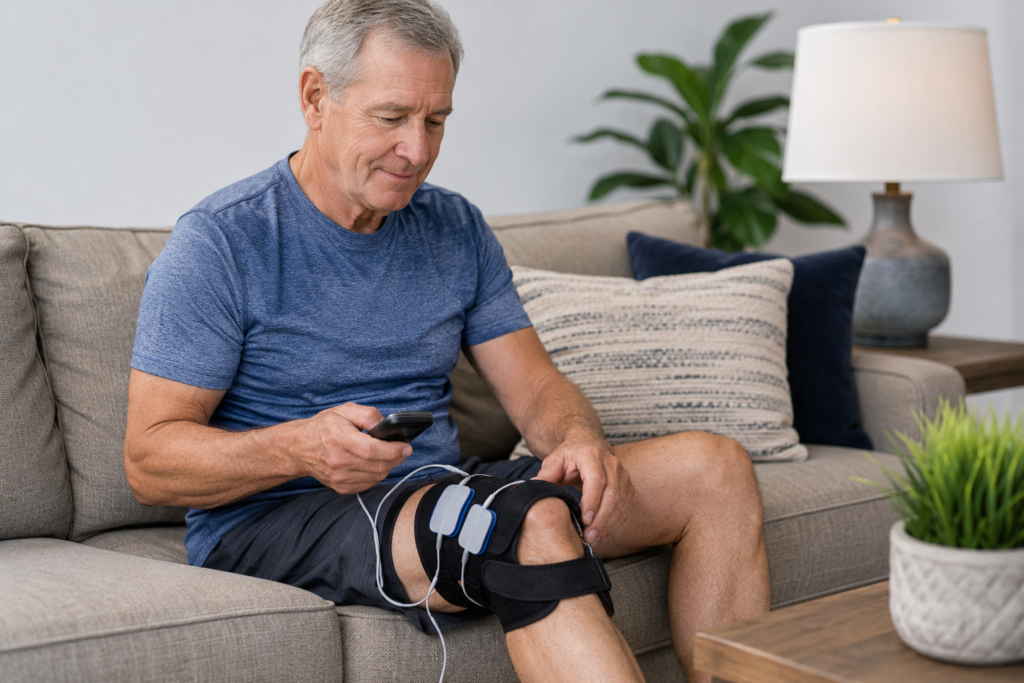
Pain and muscle soreness are common challenges that affect people of all ages. Whether discomfort comes from an active lifestyle, repetitive movements at work, aging, or recovery after physical activity, many individuals look for non-drug approaches that may help support comfort and mobility. Among the options that have gained attention in recent years are TENS (Transcutaneous Electrical Nerve Stimulation) and EMS (Electrical Muscle Stimulation) devices.
These technologies have been used in various healthcare, rehabilitation, fitness, and wellness settings for decades. While they are not intended to diagnose, treat, cure, or prevent disease, they may play a role in a broader pain management or recovery plan when used appropriately.
What Is TENS Therapy?
TENS stands for Transcutaneous Electrical Nerve Stimulation. A TENS device delivers mild electrical impulses through electrodes placed on the skin. The goal is to stimulate sensory nerves in targeted areas of the body.
Researchers have studied TENS for a variety of pain-related applications, including musculoskeletal discomfort, joint pain, and post-exercise soreness. The exact mechanisms are still being explored, but experts generally believe TENS may influence how pain signals are transmitted to the brain while also encouraging the release of natural pain-modulating chemicals within the body.
TENS therapy is often used as part of a comprehensive approach that may also include physical therapy, exercise, stretching, proper ergonomics, and guidance from healthcare professionals.
What Is EMS Therapy?
EMS, or Electrical Muscle Stimulation, uses electrical impulses to create muscle contractions. Unlike TENS, which primarily targets sensory nerves associated with pain perception, EMS is designed to stimulate muscle tissue.
EMS technology has been used in rehabilitation settings to help activate muscles that may not be functioning optimally due to inactivity or injury. It is also commonly used by athletes and fitness enthusiasts as part of recovery routines.
Some individuals use EMS devices after exercise sessions to complement stretching, hydration, adequate nutrition, and rest. However, EMS should not be viewed as a replacement for regular physical activity, strength training, or medical treatment when needed.
Potential Applications
TENS and EMS technologies are used in a variety of situations. Common examples include:
Managing Temporary Muscle Discomfort
After strenuous physical activity, muscles can become sore and fatigued. Some individuals use TENS or EMS devices as part of their recovery routine to help promote relaxation and comfort.
Supporting Recovery Programs
Physical therapists may incorporate electrical stimulation technologies into rehabilitation programs depending on a patient’s condition and treatment goals.
Addressing Everyday Aches and Pains
People experiencing occasional discomfort in areas such as the back, shoulders, knees, or neck sometimes explore TENS therapy as a non-invasive option that can be used at home under appropriate guidance.
Enhancing Body Awareness
EMS therapy may help users become more aware of muscle activation patterns during rehabilitation or training programs, particularly when supervised by qualified professionals.
What Does the Research Say?
The scientific literature on TENS and EMS is extensive and continues to evolve. Studies have shown varying results depending on the condition being evaluated, the treatment protocols used, and individual differences among participants.
Many healthcare providers view these technologies as tools that may provide benefits for certain people when incorporated into a broader treatment strategy. However, results can vary significantly from person to person, and no device can guarantee specific outcomes.
Individuals with persistent pain, worsening symptoms, or underlying medical conditions should consult a qualified healthcare professional before beginning any new therapy program.
Features to Consider When Choosing a Device
For consumers interested in learning more about TENS or EMS technology, several features may be worth evaluating.
Adjustable Intensity Settings
Different users have different comfort levels. Devices that offer multiple intensity settings may allow for a more personalized experience.
Multiple Therapy Modes
Some units provide various stimulation patterns or programs designed for different preferences and applications.
Portability
Compact, rechargeable devices may be convenient for individuals who travel frequently or want flexibility in where they use the device.
Electrode Options
Different pad sizes and accessories may be available depending on the area of the body being targeted.
Ease of Use
Clear controls, intuitive displays, and straightforward instructions can make devices easier to incorporate into a wellness routine.
Understanding the Growing Interest in Home-Based Electrotherapy
Advances in technology have made TENS and EMS devices more accessible than ever. Modern units are often smaller, lighter, and more user-friendly than earlier generations of equipment.
This accessibility has contributed to growing consumer interest in home-based recovery tools. People increasingly seek ways to support comfort and mobility without relying exclusively on medication, particularly when managing temporary muscle soreness or recovery after exercise.
However, it remains important to use any electrotherapy device according to manufacturer instructions and to seek professional guidance when appropriate.
Learning More About Available Options
Consumers researching TENS and EMS technology may encounter a wide variety of devices and accessories designed for different needs and preferences. These can include portable stimulators, electrode pads, wearable wraps, massage accessories, and other recovery-focused products.
Those interested in exploring available HiDow products can learn more through Hidow at Selectum, which provides information on a range of TENS and EMS devices, accessories, and related recovery products.
As with any health or wellness product, consumers should carefully review product information, safety guidelines, and manufacturer instructions before making a purchasing decision.
Safety Considerations
Electrical stimulation devices are not appropriate for everyone. Individuals should consult a healthcare professional before use if they:
- Have a pacemaker or implanted electrical device
- Are pregnant
- Have epilepsy or seizure disorders
- Have certain heart conditions
- Have questions about whether electrical stimulation is appropriate for their situation
Users should also follow all manufacturer instructions regarding electrode placement, session duration, and device maintenance.
The Bottom Line
TENS and EMS technologies have become popular tools for individuals seeking non-invasive approaches to pain management, muscle recovery, and physical wellness. While these devices are not substitutes for medical care, they may offer supportive benefits for some users when incorporated into a comprehensive health and recovery strategy.
Understanding how these technologies work, what the research suggests, and how to use them responsibly can help consumers make informed decisions. Whether used as part of a rehabilitation program, an athletic recovery routine, or a general wellness approach, TENS and EMS devices continue to be widely utilized as convenient, portable options for supporting comfort and mobility.
Other Articles You May Find of Interest...
- What to Do If You Think You Have a Broken Tailbone
- Closed Reduction With External Fixation: How It Stabilizes a Fracture
- Knee Massager for Muscle Tension Around the Knee What You Need to Know
- What Life Really Looks Like a Year After Spine Surgery
- Gout or Bursitis? Why Joint Swelling Can Look the Same
- Broken Kneecap Recovery: How Long Healing Usually Takes
- The Thumb Grind Test: What Pain During It Can Mean