






More Pain Management & Rehabilitation Articles
The Role of the Distal Fibula in Ankle Health
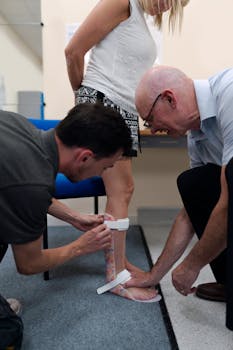
The distal fibula, often less discussed than its larger counterpart, plays a pivotal role in maintaining ankle health and function. Located on the outer aspect of the lower leg, it forms the lateral part of the ankle joint, providing critical stabilization and support.
Understanding the Distal Fibula
The distal fibula is the lower end of the fibula bone, which runs parallel to the tibia in the lower leg. While it doesn’t bear a significant portion of body weight, its contributions to the ankle’s stability are invaluable. It acts as a support structure for ligaments and joints, ensuring that the ankle can handle the stresses of daily activities like walking, running, and jumping.
Role in Ankle Stability
The fibula’s primary role is to stabilize the ankle. The ligaments attached to the distal fibula help prevent excessive movement that could lead to injuries. This is crucial for athletes and active individuals who frequently engage in movements that put stress on the ankle.
Common Injuries Involving the Distal Fibula
Injuries to the distal fibula are common in sports and activities that involve abrupt changes in direction. The most frequent issue is a lateral ankle sprain, where the ligaments around the fibula are overstretched. Severe cases may involve fractures, requiring medical attention and possibly surgery.
Preventative measures, such as strengthening exercises and proper footwear, can help minimize the risk of sprains. For more on maintaining a healthy lifestyle that supports joint and bone health, check out Unlocking Weight Loss Success.
Rehabilitation and Recovery
Recovering from a distal fibula injury often involves a period of immobilization, followed by physical therapy. Rehabilitation focuses on restoring strength, balance, and flexibility. A tailored program developed by healthcare professionals can significantly aid recovery and prevent future injuries.
The Distal Fibula and Biomechanics
From a biomechanical perspective, the distal fibula’s role extends beyond simple support. It helps distribute forces across the ankle joint during motion, contributing to efficient movement. Understanding its function can be insightful for designing better athletic training programs and footwear.
Long-Term Health of the Distal Fibula
Maintaining the health of the distal fibula is essential for long-term joint function. Regular check-ups with healthcare providers can help identify issues early. Incorporating exercises that enhance both ligaments and muscles around the ankle can fortify the region against stress and injury.
For scholarly insights into bone health and joint mechanics, you can refer to comprehensive resources such as the Wikipedia article on health.
In conclusion, the distal fibula plays an indispensable role in ankle stability and function. Whether through natural movement or specific strengthening exercises, maintaining its health is crucial for optimal performance and injury prevention. Understanding its function and taking preventative measures can significantly contribute to overall well-being.
- The distal fibula is crucial for ankle support and stability.
- It is often involved in common sports injuries like sprains.
- Rehabilitation focuses on restoring joint function post-injury.
- Regular check-ups can help maintain long-term health of the fibula.
- Preventive care includes strengthening and balance exercises.
What is the function of the distal fibula?
The distal fibula provides lateral support to the ankle joint and helps stabilize it, especially during complex movements and weight-bearing activities.
How can I prevent distal fibula injuries?
Preventative actions include strengthening exercises, wearing appropriate footwear, and being mindful of foot placement during activities to reduce the risk of ankle sprains and fractures.
What are the symptoms of a distal fibula fracture?
Common symptoms include localized pain on the outer side of the ankle, swelling, bruising, and difficulty bearing weight on the affected foot.
How is a distal fibula injury treated?
Treatment often involves rest, ice, compression, and elevation (RICE) for minor injuries. Severe cases may require immobilization or surgery followed by rehabilitation.
Can the distal fibula affect athletic performance?
Yes, injuries to the distal fibula can impair stability and affect performance. Ensuring the fibula and associated ligaments are strong and flexible can enhance athletic capability.
Other Articles You May Find of Interest...
- Navigating the Risks: What Are the Adverse Effects of Vancomycin?
- How to Identify and Manage a Pulled Abdominal Muscle
- Effective Exercises to Relieve Trigger Finger Pain and Improve Mobility
- Recognizing the Signs of Knee Bursitis Symptoms for Effective Relief
- Navigating Chronic Pain: Effective Strategies for Relief and Management
- Healing Insights: Navigating the Journey of a Nondisplaced Fracture
- Exploring the Benefits and Practices of Physiatry



