More Pain Management & Rehabilitation Articles
The Importance of the Scapholunate Ligament in Wrist Health
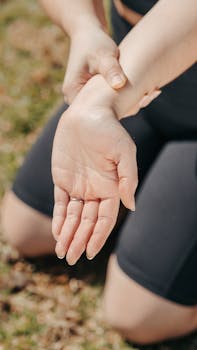
The scapholunate ligament is an essential component of wrist anatomy, playing a crucial role in maintaining stability and allowing for a range of movements such as bending, twisting, and gripping. This ligament connects the scaphoid and lunate bones in the wrist, helping to synchronize their motion and provide the necessary support for hand function. When this ligament is injured, it can lead to significant pain, instability, and even long-term complications like arthritis.
Understanding the Scapholunate Ligament
The scapholunate ligament acts as a stabilizing structure within the wrist. Its primary function is to hold the scaphoid and lunate bones together. When functioning properly, this ligament ensures smooth and coordinated movements, which are essential for everyday tasks. Damage or tears to this ligament, often resulting from trauma or repetitive strain, can disrupt wrist mechanics, leading to pain and impaired function.
Injuries to the scapholunate ligament may present with symptoms such as swelling, bruising, or a popping sensation in the wrist. Diagnosis often involves a combination of physical examinations and imaging techniques, such as X-rays or MRIs, to assess the extent of the injury.
Potential Causes and Risk Factors
The scapholunate ligament can be injured through a variety of mechanisms, most commonly during activities that involve high impact or the use of excessive force. Common causes of injury include falls onto an outstretched hand, sports injuries, or occupational hazards that involve repetitive wrist movements.
Some risk factors increase the likelihood of experiencing scapholunate ligament injuries. These include participation in contact sports, jobs requiring repetitive wrist motion, or pre-existing conditions such as ligamentous laxity or prior wrist injuries.
Treatment and Rehabilitation
Immediate management of a suspected scapholunate ligament injury often involves rest, ice application, compression, and elevation (RICE) to reduce inflammation and pain. However, due to the complexity of wrist mechanics, more severe injuries may require surgical intervention to repair or reconstruct the damaged ligament.
Post-surgical rehabilitation is crucial to restore wrist function and strength. Physical therapy typically includes exercises to improve range of motion, strength, and proprioception. Consistent rehabilitative efforts are essential for reducing the risk of long-term complications such as chronic pain or arthritis.
Learn more about hand and wrist pain on a reliable educational resource for more information.
Prevention Strategies
Preventing scapholunate ligament injuries involves a combination of strategies focused on strengthening the wrist and maintaining flexibility. Incorporating wrist-targeted exercises into fitness routines can enhance stability and support. Additionally, using protective gear during sports or activities that involve high-impact wrist movements can help safeguard against injury.
Understanding the importance of ergonomics and adopting proper body mechanics can also minimize the risk of repetitive strain injuries. Ensuring that workstations are well arranged and that tools are used correctly can make a significant difference in the overall health of the wrist. Read more on how lifestyle choices impact our overall health.
Long-term Implications
The scapholunate ligament is vital for wrist stability, and damage can lead to chronic issues if not managed properly. Untreated injuries may result in complications such as scapholunate advanced collapse (SLAC), a progressive condition where the wrist joint loses stability, leading to arthritis and diminished hand function. Early identification and appropriate intervention can mitigate these long-term impacts.
Patients should seek prompt medical attention for wrist injuries to ensure proper diagnosis and treatment. Ongoing care and rehabilitation are essential to preserving wrist function and preventing further injury.
Conclusion: The Scapholunate Ligament’s Role in Wrist Health
The scapholunate ligament is a pivotal element in wrist mechanics, crucial for ensuring stability and coordinating movement. Understanding the risks, prevention strategies, and potential treatments for scapholunate ligament injuries is vital for maintaining wrist health and function. By prioritizing early intervention and rehabilitation, individuals can mitigate the risk of chronic complications, ensuring their hands remain strong and functional.
- The scapholunate ligament is essential for wrist stability and function.
- Injuries can result from traumatic events or repetitive strain.
- Diagnosed through a combination of physical exams and imaging.
- Treatment may involve surgery and rehabilitation for severe cases.
- Prevention includes strengthening, protective gear, and ergonomic practices.
What is the scapholunate ligament?
The scapholunate ligament is a key stabilizing structure in the wrist that connects the scaphoid and lunate bones, supporting proper wrist movement.
How can the scapholunate ligament become injured?
Injuries can occur due to trauma, such as falling on an outstretched hand, or from repetitive strain during activities that involve heavy wrist use.
What are the symptoms of a scapholunate ligament injury?
Symptoms may include wrist pain, swelling, bruising, a popping sensation, and reduced range of motion.
What treatments are available for scapholunate ligament injuries?
Treatments vary based on injury severity but may include rest, physical therapy, bracing, or surgical repair followed by rehabilitation.
How can I prevent a scapholunate ligament injury?
Prevention strategies include performing wrist-strengthening exercises, using protective gear during high-risk activities, and maintaining good ergonomics to prevent repetitive strain.
Other Articles You May Find of Interest...
- Knee Massager for Muscle Tension Around the Knee What You Need to Know
- What Life Really Looks Like a Year After Spine Surgery
- Gout or Bursitis? Why Joint Swelling Can Look the Same
- Broken Kneecap Recovery: How Long Healing Usually Takes
- The Thumb Grind Test: What Pain During It Can Mean
- Choosing a Trigger Thumb Splint That Actually Supports Healing
- Can Tendons Heal on Their Own? What Recovery Requires