






More Pain Management & Rehabilitation Articles
Sartorius Muscle Pain: Causes, Symptoms, and Effective Relief Strategies
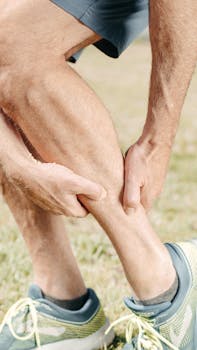
Experiencing pain in the sartorius muscle can be both uncomfortable and concerning. Often, individuals struggling with sartorius muscle pain find it difficult to engage in everyday activities, from walking to sitting comfortably. Understanding the causes, recognizing the symptoms, and exploring strategies for relief can help manage this muscle pain effectively.
What Is Sartorius Muscle Pain?
The sartorius muscle, the longest muscle in the human body, runs diagonally across the front of the thigh, from the hip region to the inside of the knee. It is instrumental for several movements, such as flexing, abduction, and lateral rotation of the hip joint. Sartorius muscle pain arises when this muscle becomes strained or overworked, leading to discomfort and limited mobility.
Common Causes of Sartorius Muscle Pain
Several factors can contribute to sartorius muscle pain. One of the most frequent causes is physical overexertion or injury. Athletes, particularly runners and those involved in sports requiring sudden changes in direction, may experience strains in this muscle.
Moreover, prolonged sitting or poor posture can lead to tightness and pain in the sartorius muscle. In some cases, sartorius muscle pain might result from underlying conditions, such as tendonitis or hip impingement, which add extra strain to the muscle.
Symptoms to Watch For
Sartorius muscle pain is typically characterized by a few distinct symptoms. Most commonly, individuals report a dull ache or sharp pain along the inside of the thigh. The pain might intensify when climbing stairs or engaging in activities that require flexing the hip.
Additional symptoms can include swelling or irritation along the length of the muscle. Some people might also experience a sensation of tightness or reduced range of motion in the hip area.
Effective Relief Strategies for Sartorius Muscle Pain
Managing sartorius muscle pain effectively often involves a combination of lifestyle adjustments, physical therapy, and home remedies. Here are some strategies that may help:
1. Incorporate Gentle Stretching Exercises
Gentle stretching exercises can help relieve tension in the sartorius muscle, promoting healing and reducing discomfort. Stretching should focus on increasing the flexibility of the thigh and hip. Always ensure to warm up before stretching to prevent further strain.
2. Apply Heat or Ice Therapy
Heat therapy can help to relax tight muscles and increase blood flow to the affected area, while ice therapy is effective in reducing inflammation and numbing sharp pain. Alternating between these two therapies might provide the best results.
3. Consider Physical Therapy
A professional physical therapist can design a comprehensive program to strengthen surrounding muscles, improve posture, and enhance overall mobility. Customized therapies can address specific issues related to the sartorius muscle pain and facilitate recovery.
4. Adjust Lifestyle and Exercise Habits
Simple changes like improving posture, using ergonomic furniture, or incorporating low-impact exercises can have a significant impact on reducing pain. To understand more about how lifestyle choices can contribute to overall health, you may find this link valuable.
5. Consult a Healthcare Professional
If the pain persists or worsens, it is important to seek guidance from a healthcare professional. They can conduct a thorough examination, suggest imaging tests if necessary, and recommend a treatment plan tailored to your condition.
Understanding and Managing Sartorius Muscle Pain
In dealing with sartorius muscle pain, it’s important to stay informed and proactive. By identifying the causes, recognizing symptoms, and applying effective relief strategies, individuals can significantly reduce discomfort and restore their quality of life. For further insights into maintaining health, the external resource here provides comprehensive information on healthy living practices.
- The sartorius muscle runs from the hip to the knee.
- Pain is often caused by strain or poor posture.
- Symptoms include aching and swelling along the thigh.
- Relief strategies include stretching, therapy, and lifestyle changes.
- Consult a professional for persistent pain.
What activities are most likely to cause sartorius muscle pain?
Activities that involve repetitive hip flexion, such as running, jumping, or sudden directional changes, are most likely to cause strain on the sartorius muscle.
How is sartorius muscle pain diagnosed?
A healthcare provider will typically conduct a physical examination and may also recommend imaging tests, such as an MRI, to diagnose sartorius muscle pain accurately.
Can lifestyle changes help alleviate sartorius muscle pain?
Yes, adopting ergonomic practices, improving posture, and engaging in low-impact exercises can significantly help in reducing sartorius muscle pain.
Is physical therapy beneficial for sartorius muscle pain?
Physical therapy can be highly beneficial as it focuses on strengthening and stretching exercises specifically designed to address the pain and support recovery.
When should I see a doctor about my sartorius muscle pain?
If the pain is severe, persists despite home treatment, or is accompanied by swelling and significant loss of function, it’s important to seek medical advice.
Other Articles You May Find of Interest...
- Sartorius Muscle Pain: Causes, Symptoms, and Effective Relief Strategies
- Navigating the Challenges of Disc Osteophyte Complex for Better Spine Health
- Exploring Arthroplasty: The Key to Joint Restoration and Pain Relief
- Unlocking Pain Relief: The Benefits of the Interscalene Block
- Navigating the Challenges of Anismus for Better Digestive Health
- Effective R.I.C.E. Treatment Strategies for Alleviating Turf Toe Pain
- What Is a Hill Sachs Lesion and How Does It Impact Shoulder Health?




