






More Pain Management & Rehabilitation Articles
Recognizing the Signs of Knee Bursitis Symptoms for Effective Relief
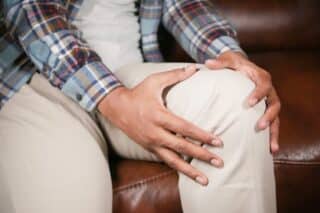
Imagine you’re doing your usual morning jog when suddenly, you feel a sharp pain in your knee. Your immediate thought might be to brush it off as a minor injury, but over time the pain persists, swelling develops, and bending the knee becomes difficult. These could be some of the knee bursitis symptoms you’re experiencing. Understanding what to look for and the potential causes can help you address the issue more effectively and seek appropriate relief.
Understanding Knee Bursitis Symptoms
Knee bursitis occurs when the bursae, small fluid-filled sacs that cushion the knee joint, become inflamed. One of the most telling signs of this condition is a swollen, warm, or tender feeling around the knee area. You might also notice a decrease in range of motion or a sharp pain when you put pressure on the knee. These symptoms can impact your daily activities, making it challenging to walk, climb stairs, or kneel.
Common Causes and Risk Factors
Activities or jobs that require frequent kneeling, such as gardening, cleaning, or certain sports, can increase your risk of developing knee bursitis. Repeated pressure on the knees, direct trauma to the knee, infections, or underlying conditions like gout and rheumatoid arthritis are also contributing factors.
Overuse injuries and poor posture during physical activities can exacerbate these issues. Ensuring you have proper equipment and practice good posture can reduce the risk, though it might not completely prevent the condition.
Treatment Options for Relief
In many cases, knee bursitis can be managed with home remedies and adjustments to your daily routine. Rest is essential, giving your joint time to heal. Applying ice packs several times a day can help reduce swelling and relieve pain. You might also consider using knee pads if your activities put you at risk.
Over-the-counter pain relievers like ibuprofen or aspirin can help with discomfort. However, it is vital to follow the dosage instructions and consult with a healthcare provider if the pain persists.
- Rest and limit activities that worsen symptoms
- Use ice packs to reduce swelling
- Consider anti-inflammatory medications for pain relief
Some individuals find relief with physical therapy exercises that strengthen the muscles around the knee, increasing stability and reducing strain on the bursae. These exercises should be done under the guidance of a professional to ensure proper technique and avoid further injury.
When to Seek Care
If home treatment doesn’t alleviate your symptoms after a few weeks, or if your pain is severe and accompanied by fever, redness, or warmth, it’s time to seek medical attention. These could be signs of an infection or a more serious condition.
Orthopedic specialists or physical therapists are typically well-versed in diagnosing and treating knee bursitis. They may recommend additional interventions, such as corticosteroid injections or aspiration, if conservative treatment fails. Always discuss your options with a healthcare professional for personalized advice.
Medication Management Considerations
If medication is part of your treatment plan, there are certain considerations to keep in mind. For instance, overconsumption of NSAIDs can lead to stomach issues, so monitoring dosage is crucial. Be aware of any side effects and discuss with your doctor if changes in medication are necessary. You don’t typically need to stop one medication before starting another unless advised by your healthcare provider.
If your symptoms worsen or if you experience new side effects, report these to your doctor promptly to reassess your treatment plan. Adjustments might be required to better manage your symptoms.
Incorporating Activity Safely
Maintaining an active lifestyle is essential for overall health, but it’s crucial to modify your activities during recovery. Gradually increasing activity levels and incorporating low-impact exercises can help maintain physical health without overstressing the joint. Learn more about how small steps can lead to an active lifestyle here.
Takeaways
- Knee bursitis symptoms include pain, swelling, and reduced motion.
- Activities requiring frequent kneeling can increase risk.
- Home treatment involves rest, ice, and OTC pain relief.
- Seek medical advice if symptoms persist or worsen.
- Physical therapy can aid recovery and prevent recurrence.
Common Questions
What are the early signs of knee bursitis?
The early signs include swelling, warmth, and joint stiffness. You may also feel pain when putting pressure on the knee.
Who treats knee bursitis?
Orthopedic doctors or physical therapists effectively diagnose and treat knee bursitis. They can suggest personalized treatment plans.
When should I see a doctor for knee bursitis?
If symptoms do not improve with home treatment, or you experience fever, extreme pain, or extensive swelling, consult a doctor immediately.
How can I prevent knee bursitis?
To prevent knee bursitis, use protective padding during activities, maintain proper posture, and engage in exercises that strengthen knee-supporting muscles.
Can knee bursitis be cured completely?
With appropriate management and lifestyle adjustments, many people achieve relief from symptoms. However, recurrence is possible, and ongoing care may be needed.
For additional resources on managing and understanding knee health, visit Mayo Clinic.
By recognizing the signs of knee bursitis symptoms early and seeking appropriate care, individuals can better manage their symptoms and continue enjoying their daily activities.
Other Articles You May Find of Interest...
- Effective Exercises to Relieve Trigger Finger Pain and Improve Mobility
- Recognizing the Signs of Knee Bursitis Symptoms for Effective Relief
- Navigating Chronic Pain: Effective Strategies for Relief and Management
- Healing Insights: Navigating the Journey of a Nondisplaced Fracture
- Exploring the Benefits and Practices of Physiatry
- Navigating Rib Pain: Understanding Its ICD 10 Codes and Implications
- Essential Insights on Lumbar Drains for Effective Health Management




