






More Pain Management & Rehabilitation Articles
Navigating the Challenges of Disc Osteophyte Complex for Better Spine Health
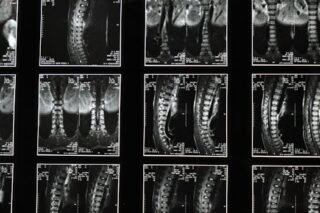
The disc osteophyte complex is a condition that affects the spinal disc and adjacent vertebrae, leading to potential pain and discomfort. This condition can arise from the formation of bony growths, known as osteophytes, which often develop as a natural response to aging or spinal degeneration. Understanding this condition is crucial for managing spine health and preventing further complications.
Understanding the Disc Osteophyte Complex
The disc osteophyte complex occurs when bone spurs form along the edges of the spinal discs and vertebrae. These spurs can lead to a narrowing of the spinal canal or spinal foramina, potentially compressing nerves and causing symptoms such as pain, numbness, or weakness. While this complex is often associated with aging, it can also result from factors such as genetics, repetitive stress on the spine, or past injuries.
Causes and Risk Factors
The development of the disc osteophyte complex can be linked to several factors. Age is a primary contributor, as the spine undergoes natural wear and tear over time. This wear can lead to changes in spinal disc structure and function. Additionally, repetitive activities, poor posture, and previous spinal injuries can increase the risk of developing this condition.
Other risk factors include obesity, which places additional stress on the spine, and genetic predispositions that influence disc health. Lifestyle choices, such as maintaining an inactive lifestyle can also contribute. To learn more about how small changes can improve your activity level, consider reading From Couch to Active: Small Steps To A More Active Lifestyle.
Symptoms of Disc Osteophyte Complex
The symptoms of this condition vary based on the location and severity of the bony growths. Common symptoms include localized back pain, stiffness, and a reduced range of motion. In some cases, nerve compression can cause radiating pain, tingling, or weakness in the arms or legs.
Early detection is important to mitigate symptoms and improve quality of life. If you experience persistent back pain or neurological symptoms, consulting a healthcare provider for a comprehensive evaluation is advisable.
Diagnosis and Treatment Options
Diagnosis typically involves a combination of a physical examination, patient history, and imaging studies such as X-rays or MRIs. These assessments help identify the presence and extent of bony growths and their impact on the spinal structure.
Treatment for the disc osteophyte complex focuses on relieving symptoms and preventing further spinal degeneration. Non-surgical options include physical therapy, pain management, and lifestyle modifications. Physical therapy can help enhance flexibility and strengthen muscles supporting the spine. Over-the-counter or prescribed medications may aid in reducing pain and inflammation.
In severe cases, where non-surgical methods are insufficient, surgical intervention may be considered. Procedures such as laminectomy or discectomy aim to remove the bony growths or relieve pressure on compressed nerves.
Managing Symptoms Through Lifestyle Changes
Incorporating lifestyle modifications can significantly impact managing the disc osteophyte complex. Regular exercise, focusing on low-impact activities like swimming or walking, can help maintain flexibility and muscle strength. Weight management is also crucial to reduce spinal load.
Ergonomic adjustments at home and work, such as proper posture and using supportive chairs, can reduce spinal stress and minimize symptom occurrence. Practicing good body mechanics during daily activities is also vital.
Additionally, alternative approaches like chiropractic care or acupuncture have been explored, but their effectiveness can vary among individuals. It is essential to discuss these options with healthcare providers to determine suitable strategies.
Prevention Strategies
While some factors contributing to the disc osteophyte complex, such as age and genetics, are beyond control, others can be managed. Practicing preventive measures can help maintain spine health and reduce the risk of developing this condition.
- Engage in regular physical activity to promote spinal health.
- Maintain a healthy weight to minimize additional pressure on the spine.
- Be mindful of posture during activities to support optimal spinal alignment.
- Use ergonomic furniture to support spine health at work and home.
- Seek prompt medical attention for any back injuries or persistent pain.
For a comprehensive overview of spine-related health issues, visit credible sources such as Wikipedia’s Health page for more information.
Living with Disc Osteophyte Complex
Living with the disc osteophyte complex can be challenging, but with appropriate management and lifestyle changes, individuals can lead fulfilling lives. It is important to work closely with healthcare professionals to develop a personalized care plan that addresses individual needs.
The disc osteophyte complex requires proactive management to prevent complications and promote spine health. Staying informed and adhering to recommended strategies can greatly enhance the quality of life for those affected.
- Disc osteophyte complex involves bony growths affecting spinal health.
- Symptoms include pain, stiffness, and nerve-related issues.
- Diagnosis involves physical exams and imaging studies.
- Treatment options include therapy, medications, and lifestyle changes.
- Prevention focuses on maintaining a healthy lifestyle and posture.
What causes the formation of osteophytes?
Osteophytes, or bone spurs, form as a response to joint erosion or natural aging processes. Repetitive stress, injury, or spinal degeneration may accelerate their formation.
Can lifestyle changes really impact disc osteophyte complex symptoms?
Yes, lifestyle modifications such as regular exercise, weight management, and ergonomic adjustments can significantly reduce symptoms and improve overall spine health.
Are surgical interventions always necessary for treatment?
Surgery is considered when non-surgical options fail to alleviate severe symptoms or when nerve compression significantly impacts daily life. Most cases are managed with conservative treatments.
How can I prevent further spine degeneration?
Engaging in regular physical activities, adopting ergonomic work environments, and maintaining a healthy weight are key measures to prevent further spinal degeneration.
Is disc osteophyte complex reversible?
While bone spurs themselves cannot be reversed, symptoms can be managed, and progression can be slowed through appropriate treatment and lifestyle modifications. Consulting with healthcare providers is essential for optimal management.
Other Articles You May Find of Interest...
- Navigating the Challenges of Disc Osteophyte Complex for Better Spine Health
- Exploring Arthroplasty: The Key to Joint Restoration and Pain Relief
- Unlocking Pain Relief: The Benefits of the Interscalene Block
- Navigating the Challenges of Anismus for Better Digestive Health
- Effective R.I.C.E. Treatment Strategies for Alleviating Turf Toe Pain
- What Is a Hill Sachs Lesion and How Does It Impact Shoulder Health?
- Effective Relief Strategies for Oral Lichen Planus with Topical Corticosteroids




