






More Pain Management & Rehabilitation Articles
Managing Grade 1 Retrolisthesis for Improved Spinal Health
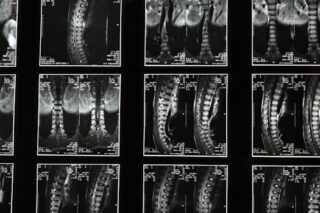
Grade 1 retrolisthesis is a spinal condition where one vertebra is slightly displaced backward compared to its adjacent vertebra. Although it’s the mildest form of retrolisthesis, paying attention to it is crucial for maintaining spinal health and preventing further complications. Understanding this condition’s causes, symptoms, and management strategies helps individuals address it effectively.
Understanding Grade 1 Retrolisthesis
Grade 1 retrolisthesis represents the initial stage of vertebral displacement, generally involving slips of up to 25%. This condition can result from age-related degeneration, injury, or congenital issues. It’s important to recognize the signs early on to manage the condition effectively.
Causes and Symptoms
The causes of grade 1 retrolisthesis are varied. Common contributing factors include degenerative disc disease, traumatic injuries, and conditions that affect spinal alignment. Symptoms may include mild back pain, stiffness, or a sensation of instability in the affected region.
Diagnostic Techniques
When diagnosing grade 1 retrolisthesis, healthcare providers often use imaging tests such as X-rays, MRIs, or CT scans. These diagnostic tools help visualize the vertebral displacement and assess potential impacts on surrounding tissues, including nerves and muscles.
Non-Invasive Management Strategies for Grade 1 Retrolisthesis
Managing grade 1 retrolisthesis often involves non-surgical approaches. Physical therapy, pain management, and lifestyle modifications are commonly recommended to support spinal health and alleviate discomfort.
Physical Therapy
Physical therapy plays a vital role in managing grade 1 retrolisthesis. Therapists design individualized exercise programs to strengthen supporting muscles, improve flexibility, and enhance spine stability. Consistent practice can help reduce pain and improve mobility.
Pain Management Techniques
Pain management is essential in keeping discomfort in check. This may include over-the-counter medication, heat therapy, or gentle stretching exercises. It’s advised to consult a healthcare provider for a personalized approach to pain management.
Lifestyle Modifications
Healthy lifestyle choices can significantly impact spinal health. Maintaining a healthy weight, practicing good posture, and avoiding activities that strain the back are beneficial. For more information on the impact of lifestyle choices on health, you might consider reading this article.
When to Consider Medical Intervention
While grade 1 retrolisthesis is generally mild, it’s crucial to monitor symptoms. If non-invasive methods do not provide relief, or if the condition progresses, medical intervention may be necessary. This could involve advanced imaging tests or surgical consultations.
Role of Surgery
Surgery is rarely required for mild cases. However, if spinal stability is compromised or there is significant nerve involvement, surgical intervention may be considered. Procedures focus on decompressing nerves and stabilizing the spine.
Managing Day-to-Day with Retrolisthesis
Living with grade 1 retrolisthesis can be manageable through mindful practices. Engaging in regular low-impact exercises, such as walking or swimming, can help keep the spine healthy without causing stress or injury.
Support and Resources
Seeking support from healthcare professionals, family, and peer groups can provide additional help and encouragement. Online platforms and health forums offer a collaborative space for sharing experiences and advice.
Final Thoughts on Grade 1 Retrolisthesis
Addressing grade 1 retrolisthesis early can prevent further complications and improve overall spinal health. Whether through physical therapy, lifestyle changes, or medical intervention, understanding and managing this condition effectively is essential for maintaining a healthy spine. For additional resources, consider reviewing external sources such as this Wikipedia article. Always consult healthcare professionals for personalized advice.
- Grade 1 retrolisthesis involves mild vertebral displacement.
- Common causes include degenerative conditions and injuries.
- Non-invasive treatments are often effective.
- Maintaining a healthy lifestyle supports spinal health.
- Consult professionals for diagnosis and personalized care.
What is grade 1 retrolisthesis?
Grade 1 retrolisthesis is the mildest form of vertebral slippage, typically involving a backward displacement of up to 25% relative to an adjacent vertebra.
How is grade 1 retrolisthesis diagnosed?
Healthcare providers use imaging techniques such as X-rays, CT scans, or MRIs to diagnose retrolisthesis accurately.
What are common symptoms of grade 1 retrolisthesis?
Common symptoms include mild back pain, stiffness, and a feeling of instability in the affected spinal area.
Can lifestyle changes help manage retrolisthesis?
Yes, maintaining a healthy weight, practicing good posture, and engaging in low-impact exercises can help manage symptoms effectively.
When is surgery necessary for retrolisthesis?
Surgery is usually considered if the retrolisthesis causes significant structural problems or nerve involvement that isn’t relieved with non-invasive treatments.
Other Articles You May Find of Interest...
- Managing Grade 1 Retrolisthesis for Improved Spinal Health
- Sartorius Muscle Pain: Causes, Symptoms, and Effective Relief Strategies
- Navigating the Challenges of Disc Osteophyte Complex for Better Spine Health
- Exploring Arthroplasty: The Key to Joint Restoration and Pain Relief
- Unlocking Pain Relief: The Benefits of the Interscalene Block
- Navigating the Challenges of Anismus for Better Digestive Health
- Effective R.I.C.E. Treatment Strategies for Alleviating Turf Toe Pain




