






More Pain Management & Rehabilitation Articles
How Long Does It Take to Recover from a Broken Fibula?
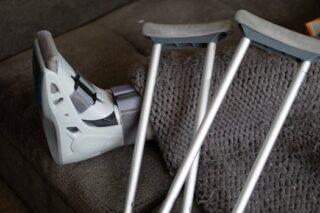
Recovering from a broken fibula can be a journey that involves time, patience, and appropriate care. When experiencing this type of leg fracture, understanding the expected recovery time is essential for planning daily life, work, and personal activities. Generally, a broken fibula recovery time can vary based on the severity of the fracture and the treatment method employed.
Understanding Broken Fibula Recovery Time
The fibula is a long, thin bone located on the outer side of the lower leg. It plays a crucial role in stabilizing the ankle and supporting muscles of the lower leg. The timeline for recovery typically depends on whether the fracture is simple or complex, and whether surgical intervention is required.
Factors Influencing Recovery
Simplicity or complexity of the fracture significantly affects recovery time. A simple fracture, where the bone is broken cleanly, often heals faster than a complex fracture, where the bone may be shattered or the pieces out of alignment. Additionally, age, general health, and comorbid conditions, such as diabetes, also play a role in the healing process. Nutrition, lifestyle choices, and adherence to medical advice impact how swiftly a person can recover. Learn more about how lifestyle choices impact overall health.
Treatment Options
Treatment for a broken fibula can include both surgical and non-surgical approaches. Non-surgical treatment involves immobilizing the leg with a cast or brace, allowing the bone to heal naturally over time. This is usually effective for stable fractures. In contrast, surgery might be necessary for unstable fractures or when the bone fragments need realignment. Surgical options may involve plates, screws, or rods to secure the bone’s position until it heals.
Non-Surgical Recovery Time
For those with a non-surgical treatment path, the recovery time typically ranges from six to eight weeks. During this period, patients are advised to limit weight-bearing activities on the injured leg. As healing progresses, physical therapy may be recommended to restore strength and flexibility. It’s crucial to adhere to the advice of healthcare providers and not rush this process, as premature activity can lead to complications.
Surgical Recovery Time
Post-operative recovery generally takes longer due to the body’s dual requirement to heal from surgery and bone repair. This process can extend the recovery period to three months or more. Physical therapy and rehabilitation are essential components of post-surgical recovery, helping patients regain full functionality and prevent long-term stiffness or weakness.
Rehabilitation and Physical Therapy
Physical therapy plays a pivotal role in the rehabilitation process for recovering from a fibula fracture. Programs are typically tailored to the individual’s condition and recovery pace, focusing on gradually increasing the strength and mobility of the injured leg. Cardiovascular exercises that do not stress the leg are also recommended to maintain overall fitness.
Impact of Nutrition and Lifestyle
Nutrition and a healthy lifestyle are vital to ensuring a successful and timely recovery. Sufficient intake of calcium, vitamin D, and protein supports bone healing. Avoidance of smoking and excessive alcohol consumption is also crucial, as these can hinder the recovery process. Taking steps toward a healthy lifestyle can positively influence healing duration and outcomes.
For a general understanding of health, you can visit this informative page on health and well-being. It offers insights into maintaining optimal health, which can be particularly beneficial when recovering from injuries.
Complications to Watch For
While most fibula fractures recover without issues, being aware of potential complications is important. These include infection, especially in cases where surgery is performed, delayed healing, and in rare instances, non-union of the bone. Consistent communication with healthcare providers ensures issues are addressed promptly.
Emotional Well-being During Recovery
Recovery isn’t just physical; emotional well-being is equally important. Coping with the temporary loss of mobility can be challenging. Seeking support from friends and family, or talking with mental health professionals, can provide comfort and motivate individuals to adhere to their recovery regimen.
The journey to heal from a broken fibula requires time, care, and patience. With adherence to medical guidance and a supportive environment, the broken fibula recovery time can be managed effectively, paving the way for a full return to normal activities.
- Broken fibula recovery time varies based on fracture severity and treatment method.
- Non-surgical recovery may take 6-8 weeks, while surgical recovery could extend to 3 months or more.
- Physical therapy is vital for restoring strength and mobility post-injury.
- Healthy lifestyle choices and nutrition significantly influence healing.
- Emotional support is crucial throughout the recovery journey.
FAQ
What is the primary function of the fibula?
The fibula is a bone in the lower leg that provides stability to the ankle and supports muscles.
How can I speed up recovery from a broken fibula?
Following medical advice, participating in physical therapy, and maintaining a healthy lifestyle can support a faster recovery.
What are the signs that a broken fibula is healing properly?
Decreased swelling, reduced pain, and improved mobility are signs of proper healing. Confirm progress with your healthcare provider.
What if my fibula does not heal in the expected time frame?
Consult with your doctor to evaluate potential reasons for delayed healing and adjust your treatment plan as necessary.
Can I return to sports after recovering from a fibula fracture?
Yes, but it is essential to follow a healthcare provider’s advice and gradually ease back into activities to prevent reinjury.
Other Articles You May Find of Interest...
- Healing Effectively: Essential Care Tips for a Thumb Spica Cast
- How Long Does It Take to Recover from a Broken Fibula?
- Navigating Recovery from a Distal Fibula Fracture? Essential Insights for Healing
- Unlocking the Benefits of 2.5 mg Ml for Better Health
- Healing and Recovery from Ulnar Styloid Fractures: What to Expect
- The Essential Guide to Using a Pelvic Binder for Injury Recovery
- Converting Milligrams to Units: A Simple Guide for Health Enthusiasts




