






More Pain Management & Rehabilitation Articles
Healing Osteochondral Defects: Innovative Approaches for Joint Health
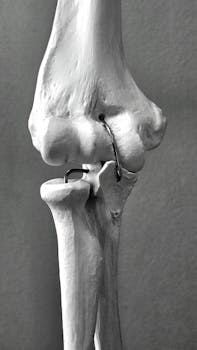
Osteochondral defects are a common concern for individuals experiencing joint pain and discomfort, especially in weight-bearing joints like the knees and ankles. These defects occur when there is damage to the cartilage and the underlying bone, leading to joint dysfunction. In this article, we will explore the causes, symptoms, and innovative treatment approaches that may support joint health and enhance recovery.
Understanding Osteochondral Defect
An osteochondral defect involves the loss of cartilage and bone that can result from injury or degenerative conditions. This damage often disrupts smooth joint movement, causing pain and swelling. Such defects are particularly prevalent among athletes and active individuals due to the stress placed on their joints.
Causes and Symptoms
The primary causes of osteochondral defects are trauma, repetitive joint use, and poor blood supply to the area. Symptoms include joint pain, swelling, clicking or grinding sounds during movement, and decreased range of motion. Timely diagnosis and intervention are crucial to halt further damage and begin the healing process.
Innovative Treatment Approaches
Thanks to advancements in medical science, there are several promising approaches to treating osteochondral defects:
Conservative Management
Initial treatment often involves non-surgical methods such as rest, physical therapy, and anti-inflammatory medications. These interventions aim to reduce pain and improve joint function. In some cases, dietary supplements are being studied for their potential to support joint health.
Regenerative Medicine
Emerging therapies like platelet-rich plasma (PRP) injections and stem cell therapy are being explored. PRP uses a concentration of a patient’s own platelets to promote healing, while stem cells may help regenerate damaged tissue.
Surgical Options
For more severe defects, surgical options like microfracture surgery, osteochondral autograft transplantation, and autologous chondrocyte implantation are available. These surgeries aim to repair or replace damaged cartilage and bone, restoring joint function and reducing pain.
For individuals interested in learning more about recognizing other health conditions, explore this article on hemochromatosis symptoms.
Living with Joint Health Concerns
Managing a condition like an osteochondral defect requires a comprehensive approach that includes lifestyle modifications and ongoing medical care. Regular follow-ups with healthcare providers are essential to monitor progress and adjust treatment plans as needed.
Conclusion
While osteochondral defects pose a significant challenge to joint health, innovative approaches in both non-surgical and surgical treatments offer hope. As always, consulting with medical professionals can ensure that you choose a treatment plan that aligns with your individual needs.
- Osteochondral defects affect joint cartilage and bone.
- Common symptoms include pain, swelling, and restricted movement.
- Treatment options range from physical therapy to advanced surgeries.
- Consultation with healthcare professionals is crucial for optimal outcomes.
- Emerging therapies show promise in supporting joint repair.
What is an osteochondral defect?
An osteochondral defect refers to damage to the cartilage and underlying bone of a joint, often leading to pain and reduced mobility.
What are the common symptoms?
Symptoms typically include joint pain, swelling, a grinding sensation during movement, and limited range of motion.
Which treatments are most effective?
Effective treatments vary based on the defect’s severity but may include physical therapy, medications, regenerative medicine, and surgical interventions.
Can osteochondral defects heal without surgery?
In some cases, non-surgical management may alleviate symptoms and support healing, though severe defects often require surgical repair.
Where can I find more information on joint health?
For further information, consider visiting trusted resources such as Wikipedia’s health page to explore diverse health-related topics.
Other Articles You May Find of Interest...
- Recovering from an MPFL Tear: Essential Tips for a Smooth Healing Process
- Uncovering the Causes of a Lump Behind Your Knee That Isn’t a Baker’s Cyst
- Healing Osteochondral Defects: Innovative Approaches for Joint Health
- What Is the Neers Test and How Can It Help Diagnose Shoulder Injuries?
- What Is Lumbago and How Can You Manage It?
- Unraveling the Mystery of Hourglass Syndrome: Causes and Impacts
- What Does Pain in Your Right Temple Indicate?




