






More Pain Management & Rehabilitation Articles
Healing Insights: Navigating the Journey of a Nondisplaced Fracture
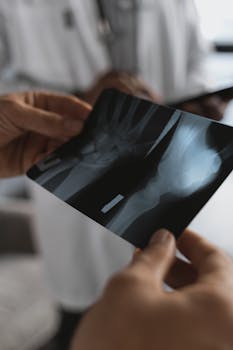
Imagine you’ve sustained an injury after a minor fall or sudden twist of your ankle, thinking it was just a sprain. However, upon further examination, you find out it’s a nondisplaced fracture. Unlike other types of fractures, a nondisplaced fracture means the bone cracks either partway or all the way through but stays in its correct position. This can often be overlooked since it might not immediately change the way your limb looks or feels drastically. Understanding what a nondisplaced fracture is and how to navigate through the recovery process is essential for a smooth healing journey.
Recognizing a Nondisplaced Fracture
Identifying a nondisplaced fracture can sometimes be tricky because it might not result in dramatic symptoms like severe deformity or complete loss of function. These fractures often present with pain, tenderness over the area, swelling, and bruising. You might notice discomfort when putting weight on the affected area or during certain movements. Because the bone is still aligned, the injury might not appear as critical as other fractures but still warrants medical attention to avoid complications.
Nondisplaced fractures are commonly seen in active individuals, athletes, and those who encounter frequent accidents. Activities that involve repetitive strain or unexpected impacts can heighten the risk. This type of fracture can affect day-to-day routines, limiting mobility and participation in physical activities, which could be particularly frustrating for those who maintain an active lifestyle.
Treatment Methods for Nondisplaced Fractures
The primary goal in treating a nondisplaced fracture is to ensure the bone heals completely while maintaining the correct alignment. Treatment typically involves immobilization with a splint or cast to protect the bone and facilitate the healing process. This allows the bone to heal in its natural position without requiring surgical intervention, as long as it remains stable.
During recovery, weight-bearing activities are often limited or adjusted according to the fracture’s nature and location. Your healthcare provider may also recommend physical therapy once the bone starts healing to restore strength and mobility gradually. Monitoring the progress through regular checkups is essential to ensure the healing is on track.
When to Seek Care
If you suspect a nondisplaced fracture or experience persistent pain, swelling, or limited function in a limb following an injury, seeking professional evaluation is crucial. An orthopedic specialist or a primary care physician can assess your symptoms, possibly perform imaging tests, and provide a tailored treatment plan. If home management doesn’t resolve symptoms or if the pain worsens, this might indicate the need for further medical intervention.
Ignoring a nondisplaced fracture can lead to poor healing and may require more intensive treatment in the future. Prompt evaluation ensures proper alignment and healing, preventing potential long-term complications.
Medications: Do They Play a Role in Recovery?
While medications don’t directly heal a nondisplaced fracture, they can play a supportive role in managing symptoms. Over-the-counter pain relievers and anti-inflammatory drugs may help reduce discomfort and swelling. Always consult your healthcare provider regarding any medications, especially if other health conditions or medications are involved.
Typically, such medication use is short-term and focused on optimizing comfort during the early stages of recovery. Any concerns about medication interactions or side effects should be discussed with your healthcare provider, who can offer guidance tailored to your specific health profile.
Supporting Recovery and Prevention
Adopting a comprehensive approach post-injury can aid recovery and prevent future fractures. Maintaining a balanced diet rich in calcium and vitamin D supports bone health. Engaging in regular exercise suitable for your stage of recovery can improve overall strength and bone density.
Implementing lifestyle changes to improve bone health can also make a difference. Find tips on establishing a healthier lifestyle at improving lifestyle choices. This not only aids in healing but also strengthens your body against future injuries.
Resources for Further Information
For more detailed information regarding fractures and bone health, you can visit reputable resources such as Mayo Clinic. These sites provide expansive knowledge that supplements your healthcare provider’s advice and offers insights into optimal management of bone injuries.
- Nondisplaced fractures might not show dramatic symptoms but need medical attention.
- Immobilization is key to proper healing and involves a period of limited activity.
- Consultation with a healthcare provider is important if pain persists or worsens.
- Optimal bone health through diet and exercise plays a supportive role in recovery.
- Trusted resources can offer additional insights and educational support.
Common Questions
Is a nondisplaced fracture serious?
Yes, while less severe than displaced fractures, nondisplaced fractures still require proper medical attention and treatment to ensure effective healing and avoid complications.
How can I prevent future bone injuries?
Maintaining a diet high in calcium and vitamin D, engaging in weight-bearing exercises, and using protective gear when participating in sports can help prevent future injuries.
What kind of doctor treats nondisplaced fractures?
Orthopedic specialists often handle fractures, but primary care physicians can also manage many nondisplaced fractures, especially those requiring non-surgical intervention.
How long does it take to recover from a nondisplaced fracture?
Recovery typically varies based on the fracture’s location and severity but often ranges from several weeks to a few months, incorporating rest, immobilization, and gradual rehabilitation.
When should I follow up with a doctor after being diagnosed?
Regular follow-ups as recommended by your healthcare provider are important. Typically, reevaluation occurs at intervals they determine based on initial healing progress and symptom resolution.
Other Articles You May Find of Interest...
- Healing Insights: Navigating the Journey of a Nondisplaced Fracture
- Exploring the Benefits and Practices of Physiatry
- Navigating Rib Pain: Understanding Its ICD 10 Codes and Implications
- Essential Insights on Lumbar Drains for Effective Health Management
- The Impact of Heberden and Bouchard Nodes on Joint Health
- Unlocking the Healing Potential of BPC 157 Injection for Enhanced Recovery
- Exploring the Benefits of a Pudendal Block for Pain Management




