






More Pain Management & Rehabilitation Articles
Healing and Recovery from Ulnar Styloid Fractures: What to Expect
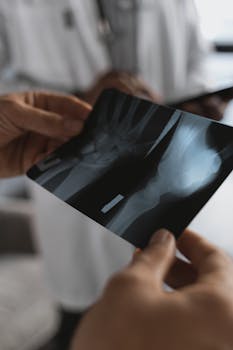
The ulnar styloid fracture is a specific type of wrist injury that can impact your daily activities and requires proper attention for healing. In this article, we will delve into what an ulnar styloid fracture is, the healing process, and what you can expect during your recovery journey. Whether you’ve sustained this injury from a fall or an accident, understanding the recovery roadmap will empower you to manage your healing effectively.
Understanding an Ulnar Styloid Fracture
An ulnar styloid fracture involves a break at the distal end of the ulna bone in your wrist, specifically at the styloid process. This area of the wrist is pivotal for rotational movements and stability, which is why an injury here can be particularly impactful. Typically, these fractures occur alongside other wrist injuries, such as fractures to the radius, affecting the overall function of the wrist.
Symptoms often include pain and swelling on the ulnar side of the wrist, along with difficulty gripping objects. X-rays are usually required for a definitive diagnosis, allowing your healthcare provider to assess the severity of the fracture and plan appropriate treatment.
Treatment Options for Ulnar Styloid Fractures
Treatment of ulnar styloid fractures can vary based on the severity of the fracture and any accompanying wrist injuries. In many cases, non-surgical treatments such as casting or bracing are sufficient, providing the fracture is stable and well-aligned. This approach allows the bone to heal naturally over several weeks.
If the fracture is unstable or involves significant displacement, surgical intervention might be necessary. Surgery typically involves the placement of screws or wires to hold the bone fragments in place during healing. Regardless of the treatment path, a focus on maintaining mobility through physical therapy is essential for full recovery.
Recovery Process and Expected Outcomes
The road to recovery from an ulnar styloid fracture involves several phases. Initially, immobilization through casting or splinting is crucial to allow for proper bone healing. Patients are often advised to keep the wrist elevated to minimize swelling, especially in the first few days after injury or surgery.
As the bone heals, gradual reintroduction of motion through physical therapy helps restore strength and flexibility. The timeline for recovery can vary, but many individuals can expect to regain most of their wrist function within a few months. Following physiotherapy exercises and attending regular medical checkups play critical roles in achieving optimal outcomes.
During this time, it’s also important to focus on overall health and lifestyle choices that can impact your rate of recovery.
Returning to Normal Activities
Returning to daily activities post-ulnar styloid fracture requires patience and adherence to rehabilitation guidelines. Most individuals may resume light tasks as soon as their doctor advises, but activities involving weight-bearing or exertion should wait until the wrist is adequately healed.
One key aspect of returning to normalcy is monitoring pain levels. If pain persists or worsens, it’s crucial to consult with your healthcare provider promptly. They can offer guidance on pain management strategies and adjust treatment if necessary.
Complications and Long-term Considerations
While most ulnar styloid fractures heal without issue, potential complications such as non-union (where the fracture fails to heal) or chronic pain could arise. Ensuring consistent follow-up care and adhering to rehabilitation exercises significantly reduces such risks.
Additionally, some individuals might experience limitations in wrist flexibility or strength. Long-term management may involve ongoing physical therapy or occupational therapy to regain full functionality. It’s important to stay informed about your condition and discuss any concerns with your healthcare team.
Empowering Yourself with Knowledge and Support
Understanding your condition and having a clear plan of action for managing an ulnar styloid fracture is empowering. From initial treatment to ongoing recovery, awareness and proactive participation in your care contribute significantly to a successful outcome.
For additional information about health topics, you can visit the Wikipedia page on health for a broad overview.
An ulnar styloid fracture may present challenges, but with the right approach to treatment and recovery, you can return to your everyday activities feeling confident and supported by your healthcare team.
- Ulnar styloid fractures affect a small but critical part of the wrist.
- Treatment varies based on fracture severity and may involve casting or surgery.
- Physical therapy plays a crucial role in the recovery process.
- Monitoring and managing pain help ensure a smoother recovery.
- Always consult healthcare providers if complications arise.
How long does it take to heal from an ulnar styloid fracture?
Healing typically takes between 6 to 8 weeks for bone union. Full functional recovery can take several months, depending on rehabilitation and individual health factors.
What symptoms indicate a possible ulnar styloid fracture?
Key symptoms include swelling, pain on the ulnar side of the wrist, and difficulty with wrist movements or gripping items.
Is surgery always required for an ulnar styloid fracture?
No, many cases can be treated non-surgically with casting or splinting, especially if the fracture is stable and aligned.
Are there long-term impacts from an ulnar styloid fracture?
Most recover completely; however, some may experience lingering stiffness or reduced wrist strength, which can be managed with physical therapy.
Can lifestyle choices affect my recovery from this fracture?
Yes, maintaining a balanced diet, staying active within doctor recommendations, and avoiding activities that may strain the wrist can positively impact recovery progress.
Other Articles You May Find of Interest...
- Healing and Recovery from Ulnar Styloid Fractures: What to Expect
- The Essential Guide to Using a Pelvic Binder for Injury Recovery
- Converting Milligrams to Units: A Simple Guide for Health Enthusiasts
- How to Recognize and Treat a Thumb Fracture Effectively
- Exploring the Benefits and Uses of Midodrine for Managing Blood Pressure
- Can Carpal Tunnel Syndrome Be Cured? Exploring Treatment Options and Recovery
- Is Baclofen a Controlled Substance and What You Need to Know?




