






More Pain Management & Rehabilitation Articles
Exploring Arthroplasty: The Key to Joint Restoration and Pain Relief
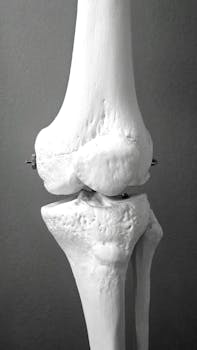
Arthroplasty might seem like a complex term, but it holds a simple promise: restoring your joints and relieving pain. For those exploring treatment options for debilitating joint issues, understanding what is arthroplasty becomes crucial. Arthroplasty is a surgical procedure that involves the repair or replacement of a joint, primarily aimed at reducing pain and restoring function. Often employed in cases where medications and other therapies have failed, it is a pivotal option for many facing severe joint ailments. Let’s delve deeper into this transformative procedure.
What is Arthroplasty?
At its core, arthroplasty refers to surgical joint repair. The process involves reconstructing or completely replacing a joint to relieve pain and improve movement. Commonly, it is employed for the hip, knee, shoulder, and elbow joints. Depending on the joint condition and surgical goals, various types of arthroplasty can be performed, ranging from partial to total joint replacement.
Types of Arthroplasty
There are several types of arthroplasty, each tailored to address specific joint issues:
- Total Joint Replacement: This involves replacing the entire joint with prosthetic components. It is frequently performed on hips and knees.
- Partial Joint Replacement: In this procedure, only the damaged parts of the joint are replaced, preserving more of the natural joint structure.
- Resurfacing Arthroplasty: Often used for hip joints, it involves capping the joint surfaces with smooth metal coatings.
These surgeries are primarily indicated for individuals suffering from severe arthritis or joint injuries that significantly impact daily activities.
When is Arthroplasty Recommended?
Arthroplasty is typically recommended for those who experience chronic joint pain and reduced mobility, often due to conditions like osteoarthritis, rheumatoid arthritis, or traumatic injury. When conservative treatments such as medications, physical therapy, and lifestyle modifications fail to provide relief, arthroplasty may be considered.
It’s important to consult with a healthcare professional to determine the appropriateness of the procedure based on individual needs and health status.
The Surgical Procedure
The approach to arthroplasty can vary based on the joint involved. Generally, the surgical process includes:
- Anesthesia: Patients receive either general or spinal anesthesia to ensure they are comfortable and pain-free during the surgery.
- Incision: A surgeon makes an incision near the affected joint to access it.
- Joint Repair or Replacement: The surgeon removes damaged tissue and inserts prosthetic components made of materials like metal or plastic.
Post-surgery, patients typically stay in the hospital for a few days and begin a rehabilitation program to restore mobility and strength.
Potential Risks and Recovery
As with any surgical procedure, arthroplasty has potential risks including infection, blood clots, and prosthetic complications. However, with advancements in surgical techniques and post-operative care, these risks are often minimized.
Recovery involves physical therapy and a gradual return to normal activities. The timeline for recovery varies but generally spans several weeks to months. Patience and adherence to rehabilitation protocols are key to successful outcomes.
Benefits of Arthroplasty
The primary benefit of arthroplasty is significant pain relief. Many patients also experience improved joint function, enabling them to return to daily activities and enjoy a better quality of life. Additionally, modern prosthetics are designed to be durable, often lasting 15-20 years or longer.
Exploring Non-Surgical Alternatives
Before considering arthroplasty, patients and doctors often explore non-surgical options. These include medications, lifestyle changes, weight management, and physical therapy. For tips on embracing a healthier lifestyle, check out the importance of a high-protein diet for weight management and joint health.
Consulting Your Healthcare Provider
It’s essential for individuals considering arthroplasty to have a detailed discussion with their healthcare provider. Exploring all treatment possibilities, understanding the risks involved, and setting realistic expectations are crucial steps in the decision-making process. Always seek personalized medical advice to ensure the chosen path aligns with your health goals.
Understanding the Broader Impact
Arthroplasty not only relieves pain but also plays a significant role in enhancing emotional well-being and social interactions, as mobility is restored, and daily tasks become more manageable. For more in-depth information on health topics, visit the comprehensive and resource-rich pages at Wikipedia’s health section.
From considering what is arthroplasty to assessing its suitability, the journey involves informed decisions, expert consultations, and a commitment to recovery. Understanding this treatment option empowers individuals to take proactive steps towards improved joint health and quality of life.
- Arthroplasty involves joint repair or replacement.
- Commonly recommended for severe arthritis or injury.
- Beneficial in pain relief and restoring mobility.
- Entails risks but offers significant long-term benefits.
- Non-surgical alternatives should be explored first.
What is the typical recovery period after arthroplasty?
Recovery generally takes several weeks to months, during which physical therapy and gradual resumption of activities are crucial.
Is arthroplasty the same as joint replacement?
While arthroplasty includes joint replacement, it also encompasses other procedures aimed at joint restoration.
Can arthroplasty be repeated on the same joint?
Yes, but revision surgeries are generally more complex and may carry greater risks.
What factors determine the suitability for arthroplasty?
Severity of joint pain, overall health, and the failure of conservative treatments are key factors.
How long do artificial joints last after arthroplasty?
Modern prosthetic joints can last 15-20 years or more, depending on the individual’s activity level and health.
Other Articles You May Find of Interest...
- Navigating the Challenges of Disc Osteophyte Complex for Better Spine Health
- Exploring Arthroplasty: The Key to Joint Restoration and Pain Relief
- Unlocking Pain Relief: The Benefits of the Interscalene Block
- Navigating the Challenges of Anismus for Better Digestive Health
- Effective R.I.C.E. Treatment Strategies for Alleviating Turf Toe Pain
- What Is a Hill Sachs Lesion and How Does It Impact Shoulder Health?
- Effective Relief Strategies for Oral Lichen Planus with Topical Corticosteroids




