More Pain Management & Rehabilitation Articles
Effective Ways to Support Your Body When Dealing With Chronic Pain or Illness
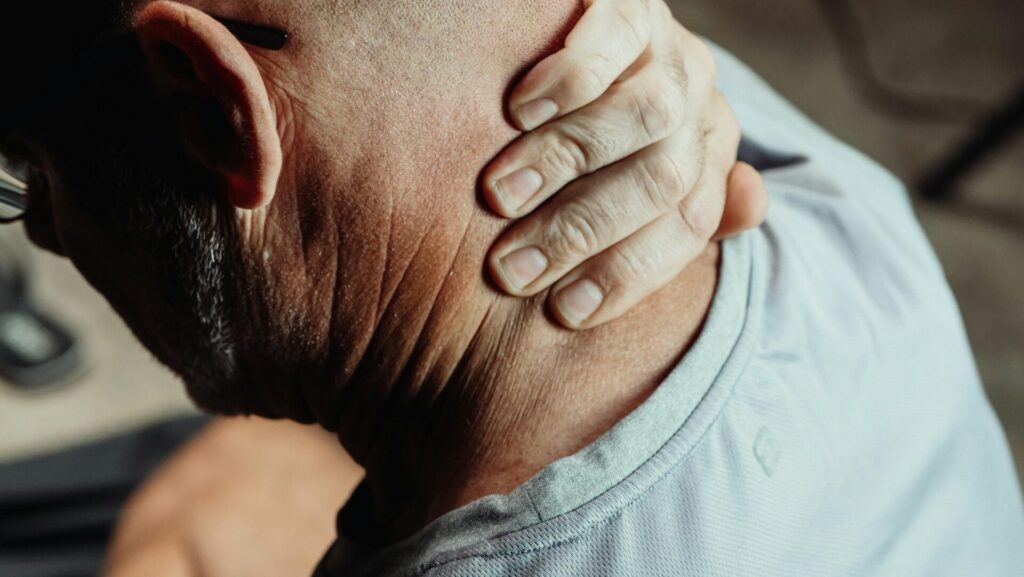
Living with chronic pain or long term illness can affect nearly every aspect of daily life, from physical comfort to emotional wellbeing. While the underlying causes of chronic conditions vary widely, many people benefit from supportive strategies that help the body feel more stable, resilient, and cared for over time. Effective support often comes from a combination of informed lifestyle choices, consistent routines, and compassionate self awareness rather than a single solution or quick fix.
Understanding how to work with your body, instead of constantly pushing against its limits, can make a meaningful difference. Small, thoughtful changes can help manage symptoms, reduce stress on the nervous system, and encourage a greater sense of control during periods that may otherwise feel unpredictable.
Prioritizing Gentle Movement and Physical Awareness
Movement can feel intimidating when pain or fatigue is persistent, yet avoiding all physical activity may contribute to stiffness, weakened muscles, and reduced circulation. Gentle movement that respects your current capacity can support joint health, improve blood flow, and reinforce a sense of connection with the body.
Activities such as stretching, walking, water based exercises, or slow mindful practices allow muscles to stay engaged without excessive strain. The focus is not intensity or performance but consistency and comfort. Paying attention to how your body responds during and after movement helps guide appropriate adjustments over time.
Learning to recognize early signals of overexertion can prevent flare ups. Rest days are not setbacks but a necessary part of maintaining balance when managing ongoing symptoms.
Supporting the Body Through Nutrition and Hydration
Nutrition plays a significant role in how the body manages inflammation, energy levels, and tissue repair. While no single diet works for everyone, many people with chronic conditions benefit from meals that emphasize whole foods, steady blood sugar, and adequate hydration.
Balanced meals that include vegetables, proteins, healthy fats, and unprocessed carbohydrates may help reduce digestive stress and support consistent energy. Hydration is equally important, as dehydration can worsen muscle tension, headaches, and fatigue.
For individuals living with chronic pain or long term illness, supporting the body can include staying informed about a wide range of wellness options that may help with relaxation, stress management, or overall comfort. Some people take a proactive approach by learning more about plant based options connected to these goals, including how they are sourced and developed. Exploring topics such as cultivated weed seeds can be part of this educational process for those who value understanding where products come from and prefer to make thoughtful, informed choices as they build a personalized plan for managing ongoing symptoms.
Strengthening the Nervous System Through Stress Management
Chronic pain and illness often place the nervous system in a prolonged state of alert. Stress can intensify physical symptoms and interfere with the body’s ability to rest and heal. Supporting nervous system regulation is therefore a key component of long term management.
Practices such as deep breathing, meditation, or guided relaxation exercises help signal safety to the body. These approaches can reduce muscle guarding, improve sleep quality, and lower perceived pain intensity over time.
Emotional support also plays a role. Journaling, talking with a trusted person, or working with a therapist can help process frustration, grief, or anxiety that often accompanies chronic illness. Addressing emotional strain does not mean symptoms are imagined. It recognizes that mental and physical health are interconnected.
Creating Restorative Sleep Habits
Sleep disruptions are common in people experiencing ongoing pain or illness, yet restorative rest is essential for immune function, hormone regulation, and tissue repair. Improving sleep quality often requires attention to both routines and environment.
Establishing a consistent bedtime, minimizing screen exposure before sleep, and maintaining a calm sleeping area can support more predictable rest cycles. Gentle wind down activities such as reading or light stretching may help the body transition into sleep more smoothly.
Pain management plans that include sleep positioning, supportive pillows, or calming evening routines can also make nights more manageable. Even partial improvements in sleep often lead to noticeable changes in daytime function and mood.
Partnering With Healthcare and Building Self Advocacy
Managing chronic conditions is rarely a solo effort. Building strong communication with healthcare providers allows for collaborative decision making and tailored care plans. This partnership works best when individuals feel informed and empowered to share observations about their symptoms, triggers, and responses to treatment.
Keeping symptom logs or noting patterns can help guide productive conversations during appointments. Asking questions and seeking second opinions when needed supports informed choices rather than passive acceptance.
Equally important is self advocacy outside of clinical settings. Setting boundaries, pacing activities, and communicating needs to family or colleagues protects energy and reduces unnecessary physical and emotional strain.
Conclusion
Supporting the body during chronic pain or illness is an ongoing process built on patience, flexibility, and self respect. While symptoms may not disappear, thoughtful approaches to movement, nutrition, stress regulation, sleep, and medical collaboration can improve quality of life and foster resilience. Over time, these supportive practices help create a steadier foundation, allowing the body and mind to feel more balanced even in the presence of ongoing challenges.
Other Articles You May Find of Interest...
- What to Do If You Think You Have a Broken Tailbone
- Closed Reduction With External Fixation: How It Stabilizes a Fracture
- Knee Massager for Muscle Tension Around the Knee What You Need to Know
- What Life Really Looks Like a Year After Spine Surgery
- Gout or Bursitis? Why Joint Swelling Can Look the Same
- Broken Kneecap Recovery: How Long Healing Usually Takes
- The Thumb Grind Test: What Pain During It Can Mean